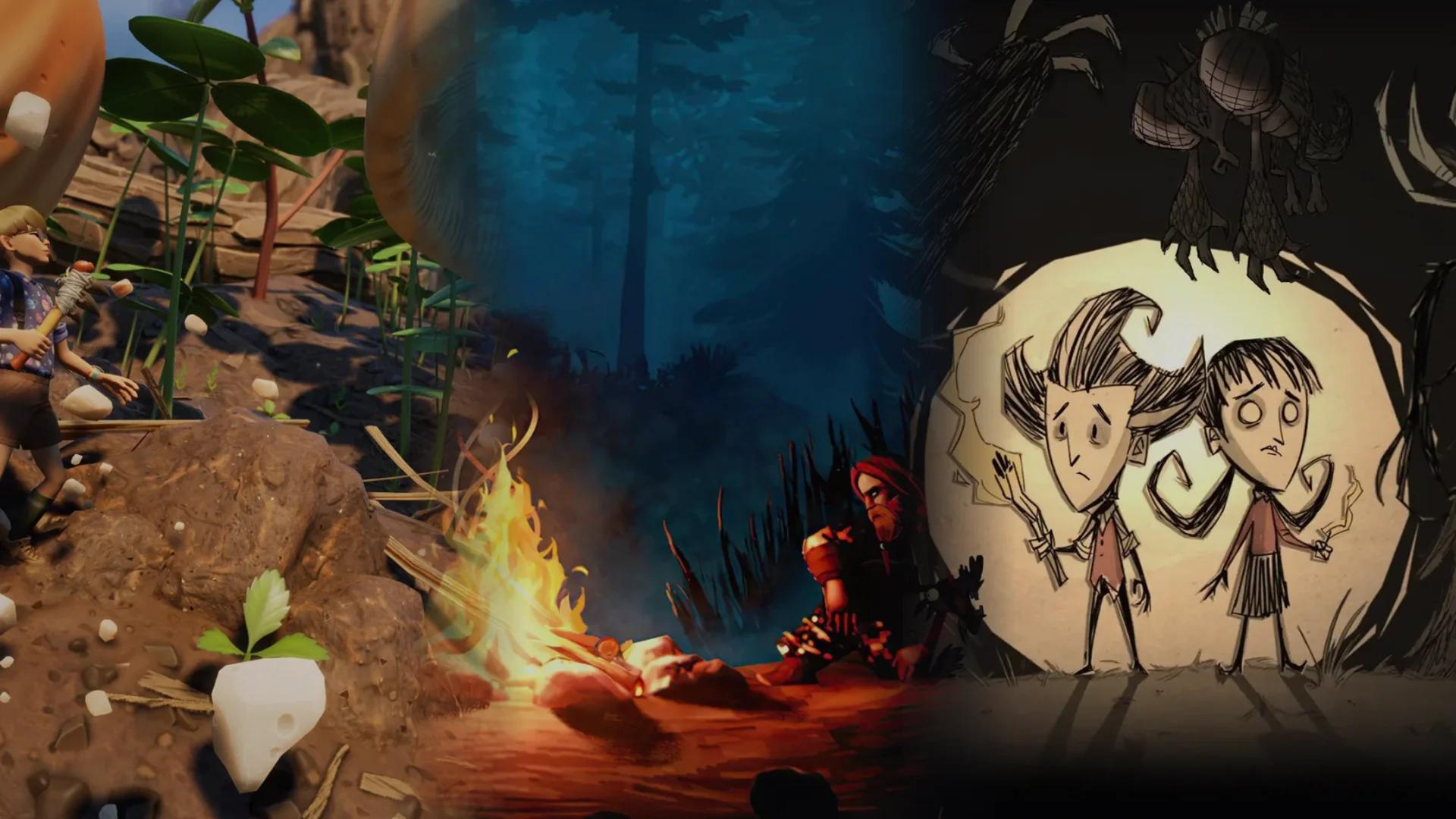

Survival games have a specific quality that most other genres don't: they generate stories. Not the kind the developers wrote, but the kind where someone in your group makes a catastrophically bad decision on day six and you are all still talking about it three sessions later. I run regular LAN parties with a group of friends on laptops, most of them not gaming hardware, and survival games keep coming up as the ones people want to run back. There is something about shared scarcity and shared stakes that clicks when you are all in the same room.
I ranked these games on four things that actually matter for a LAN setup: how easy it is to get a private session running, how central survival mechanics are to what the group actually does together, how rewarding the progression feels across a long session, and how accessible the onboarding is for groups with mixed experience. Polish and stability factored in too, because a game that crashes your host's laptop at hour three is not a recommendation.
For the full picture on LAN gaming across all genres, see our Best LAN Party Games in 2026 guide. This article focuses specifically on survival-first experiences that are genuinely improved by playing on a shared local network with a friend group.
Quick Picks
Best overall LAN survival pick: Valheim
Best for mixed-skill groups: Grounded
Best hardcore survival: Project Zomboid
Best horror LAN nights: Sons of the Forest
Best accessible entry point: Raft
The Top 10 Best Survival LAN Party Games for PC
Every game here has been evaluated for how it actually plays when you are sitting in a room with friends, not how it looks on a store page.
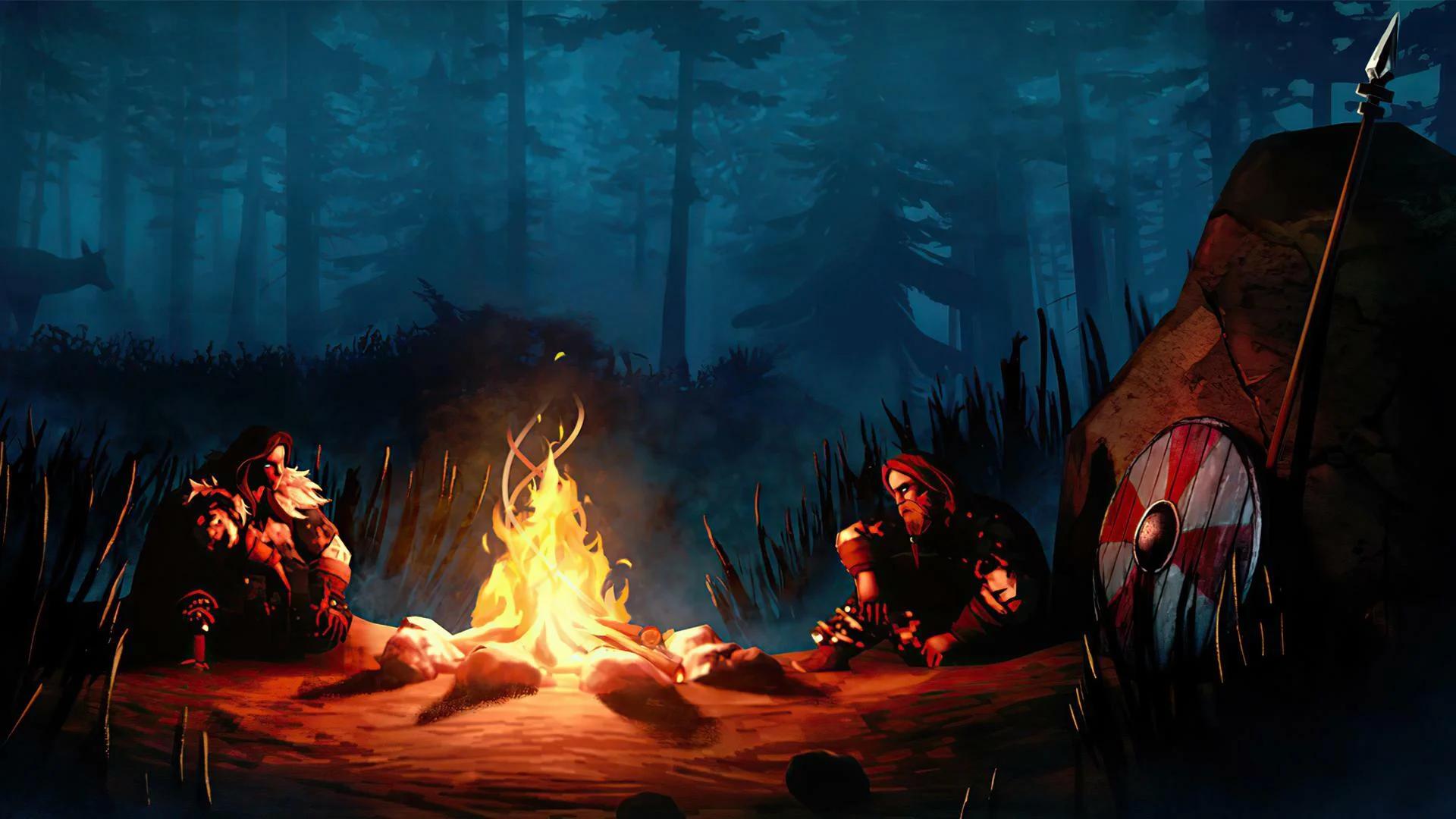
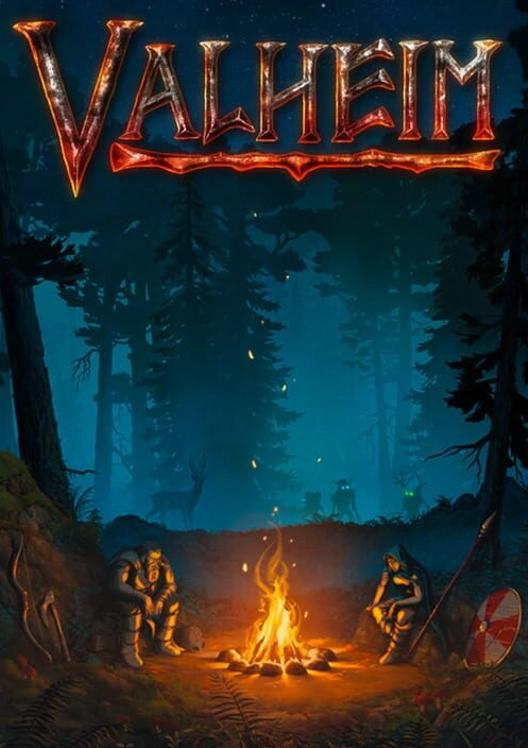
Valheim is the answer to the question 'what do we all play this weekend?' It hosts effortlessly, runs on a password-protected world that any group member can resume between sessions, and the progression from punching trees to fighting elder gods in a longship you built yourself is exactly the kind of shared arc that keeps a LAN group talking for weeks. I keep coming back to it because the world feels genuinely mythic rather than procedurally assembled. The Viking setting does real work here. Up to 10 players in a private session, dedicated server support if you want persistence, and enough boss progression to sustain a full weekend. Nothing else on this list tops it for the complete package.
- Released
- 20262026
- Genre
- RPGRPG
- Platforms
- Linux, macOS, PC, PS5, Switch 2, Xbox One, Series X|SLinux, macOS, PC, PlayStation 5, Nintendo Switch 2, Xbox One, Xbox Series X/S
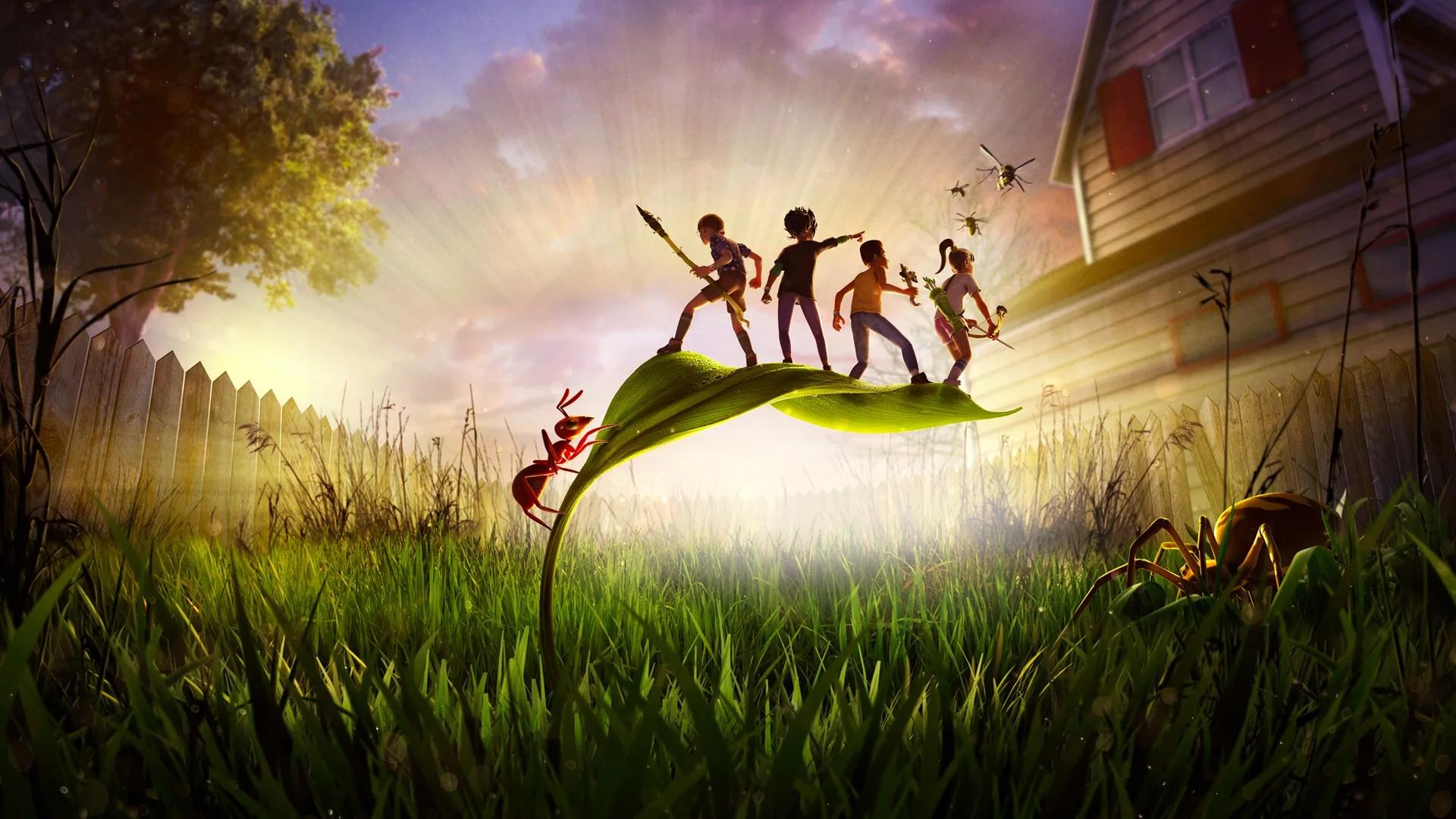
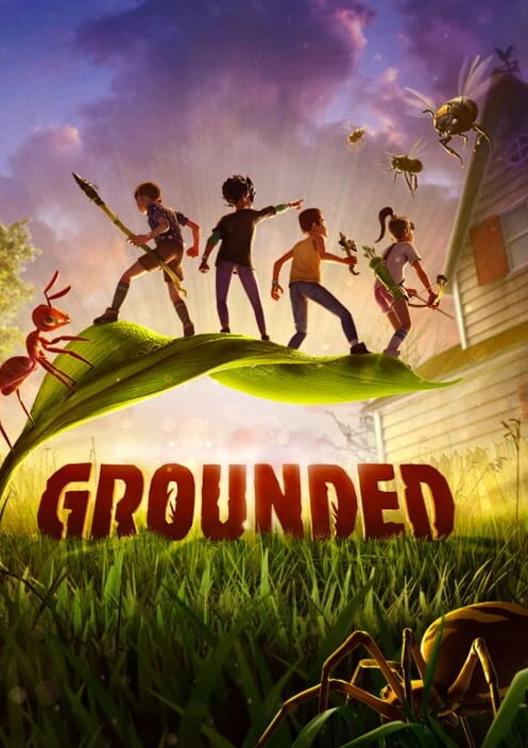
My wife watched me play Grounded for about 20 minutes before asking why the spider was that big and whether we could turn them off. We could, as it happens, and that flexibility is the point. Grounded has an accessibility slider specifically for arachnophobia, adjustable difficulty, and an onboarding loop that gets four players into meaningful survival cooperation within the first hour. It is the one survival game on this list I would hand to someone who has never played the genre before without second-guessing myself. The survival systems, hunger, thirst, base defense, crafting, are all genuinely present. It just wraps them in something that doesn't punish you for not knowing what you're doing yet.
- Released
- 20222022
- Genre
- RPGRPG
- Platforms
- PC, PS4, PS5, Switch, Xbox One, Series X|SPC, PlayStation 4, PlayStation 5, Nintendo Switch, Xbox One, Xbox Series X/S
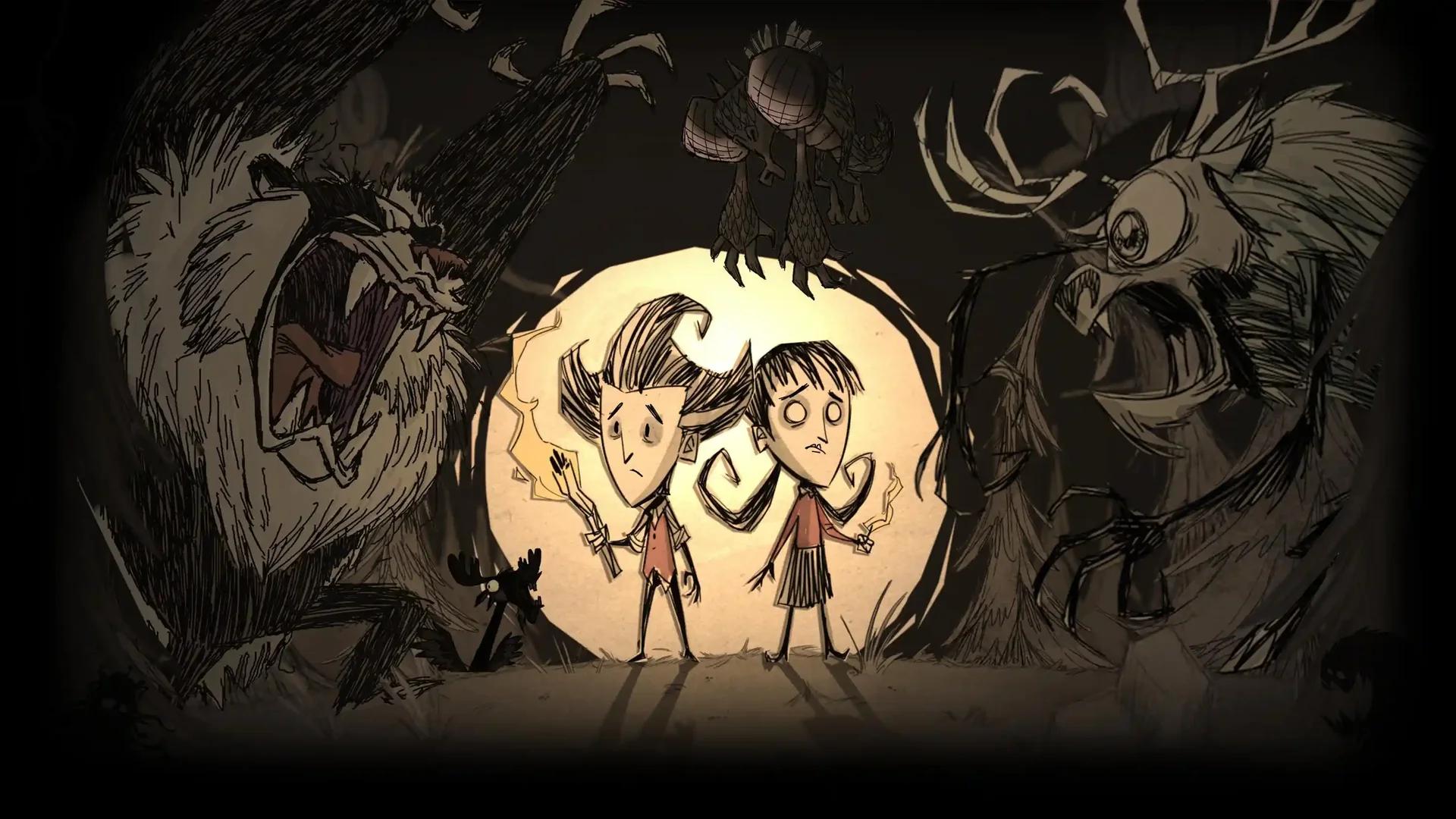
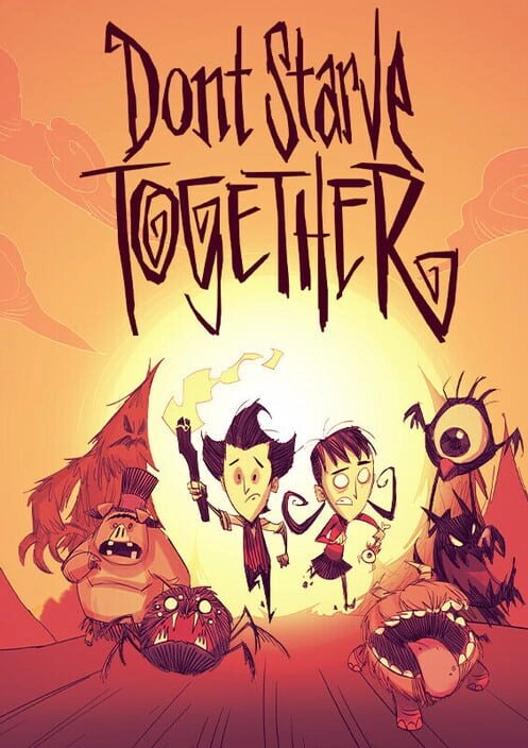
Don't Starve Together is one of the few games where dying in the first winter actually taught our group something. The second run was meaningfully better because we understood how to divide roles: someone handles food, someone handles base layout, someone figures out what killed us last time. That loop of failure, regrouping, and running again is what makes it one of the purest survival experiences on this list. Private servers are simple, the game is light on hardware, and the seasonal threat cycle keeps every run feeling urgent. The catch is the early game. It is not welcoming to players who have never touched survival games before, and that is a real consideration for mixed-experience LAN groups.
- Released
- 20162016
- Genre
- SimulationSimulation
- Platforms
- Android, iOS, Linux, macOS, PC, SwitchAndroid, iOS, Linux, macOS, PC, Nintendo Switch
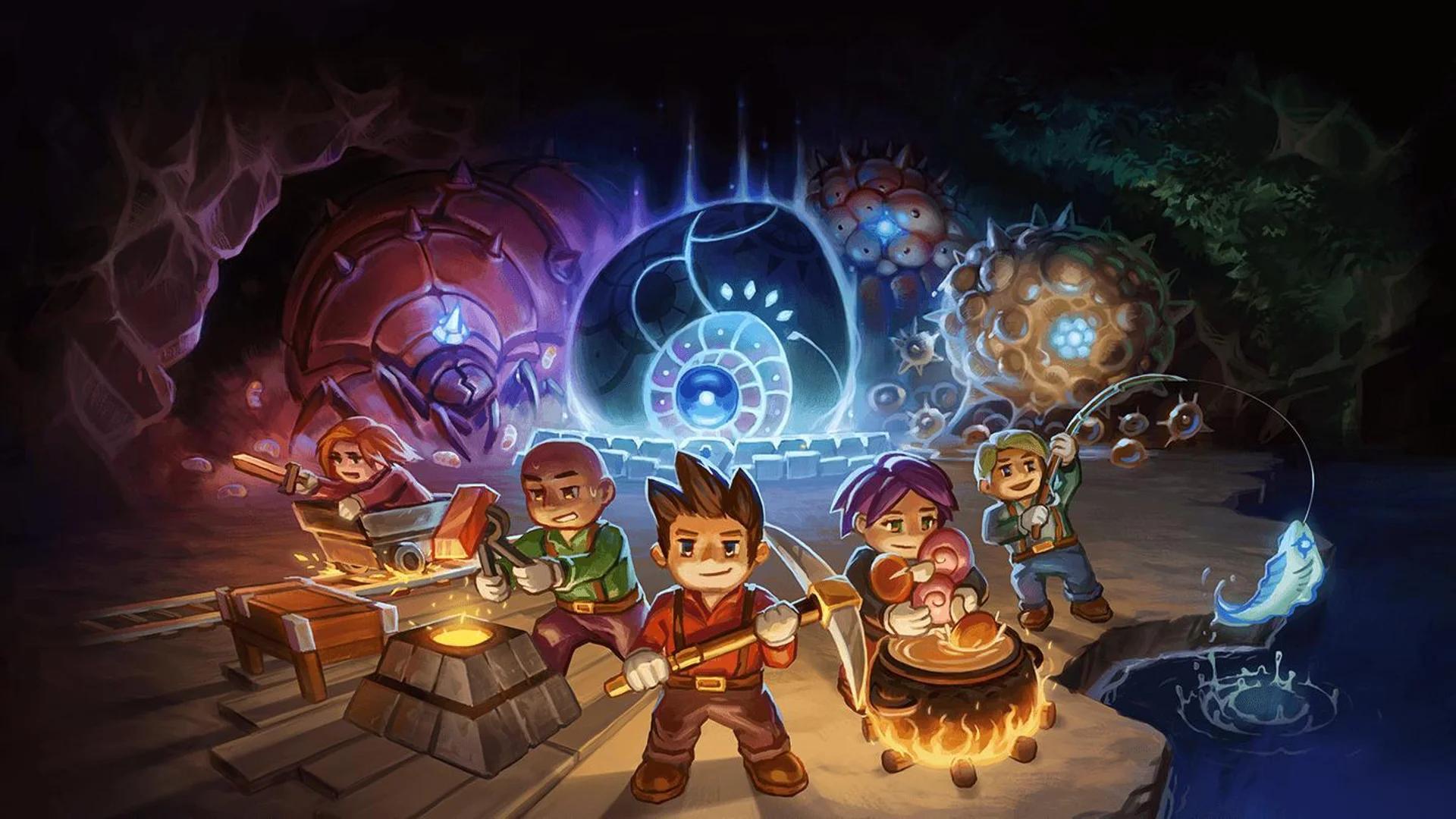
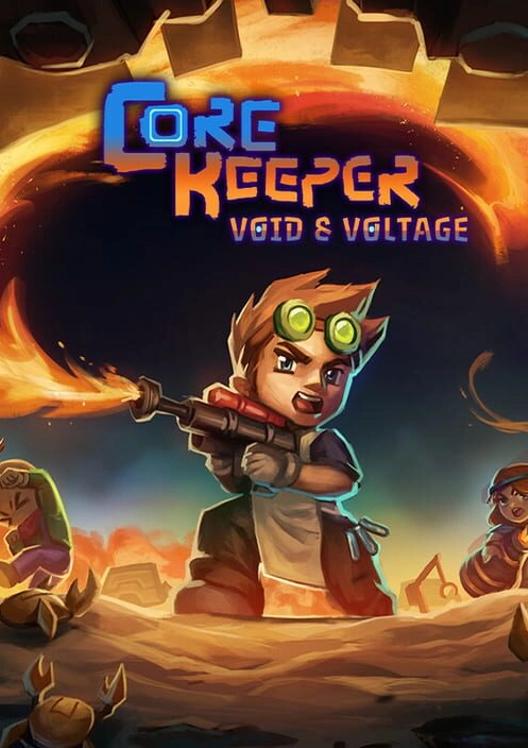
Core Keeper surprised me. On paper it sounds like a mining game with survival elements tacked on, but in practice the underground world pulls a group in directions nobody planned. Someone starts farming, someone finds a cave system that goes somewhere alarming, someone else has quietly built a rail network nobody asked for. Up to eight players in a private session, dedicated server support, and light enough on system requirements that it ran without complaint on the older laptops in my group. The survival edge is softer than the entries above it, which is why it sits at four rather than higher, but for a LAN group that wants sustained progression without the harshness of Project Zomboid, it is close to perfect.
- Released
- 20242024
- Genre
- RPGRPG
- Platforms
- Linux, PC, PS4, PS5, Switch, Switch 2, Xbox One, Series X|SLinux, PC, PlayStation 4, PlayStation 5, Nintendo Switch, Nintendo Switch 2, Xbox One, Xbox Series X/S
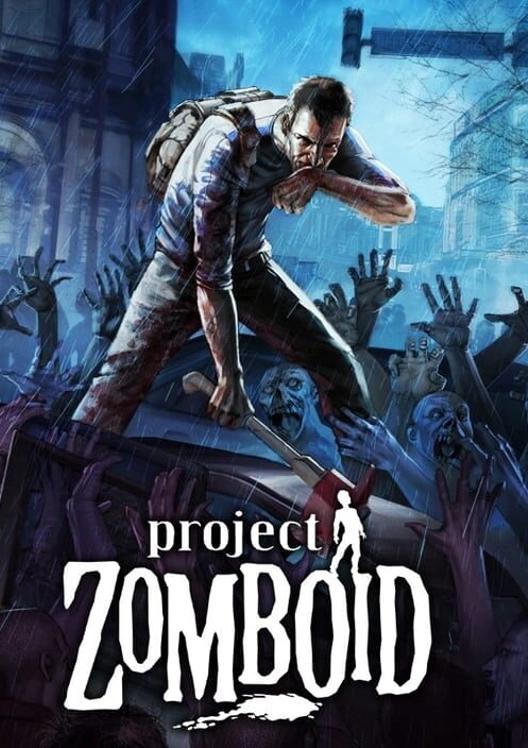
There is a moment in Project Zomboid where someone in your group makes a noise while looting a pharmacy and the street outside fills up in about 45 seconds. Nothing else on this list creates that specific kind of group panic. It is the deepest survival sandbox here by some distance, with logistics, nutrition, injury systems, and base fortification that reward genuine planning. Private server setup is well-documented and configurable down to zombie density, loot rarity, and respawn rules. I would not recommend it as a first survival LAN game. But for a group that has done Valheim and wants something that takes the stakes up significantly, this is where you go next.
- Released
- 20132013
- Genre
- RPGRPG
- Platforms
- Linux, macOS, PCLinux, macOS, PC
Sons of the Forest does something the top entries don't: it makes the open world genuinely threatening after dark. The survival mechanics, building a shelter, managing warmth, dealing with food, all of it is present and functional, but the horror layer is what makes it click in a same-room setting. When something that shouldn't be able to move like that moves toward your group's half-built cabin, everyone reacts. I played the original Forest with friends years ago and the sequel improves on almost everything. Private hosting is straightforward for up to eight players. The onboarding is not quite as clean as Grounded, but most groups find their footing within the first session.
- Released
- 20242024
- Genre
- SimulationSimulation
- Platforms
- PCPC
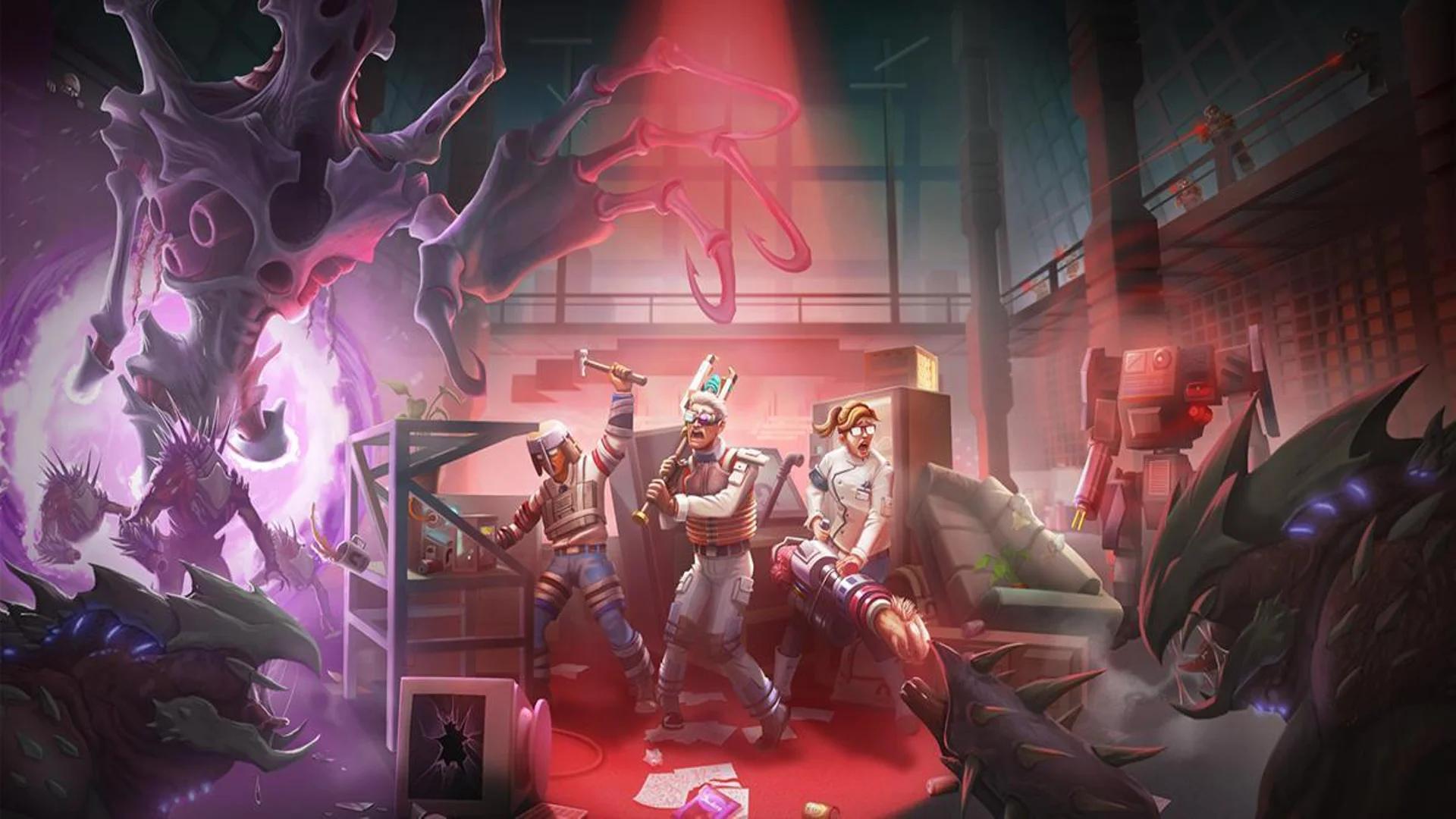
The setting alone makes this worth mentioning. A science facility disaster that plays less like a zombie game and more like a Half-Life episode where you also have to find food and build a defensible base. I had not heard of it until a friend recommended it and we ran a session on a Friday night that went significantly later than planned. Six players maximum in a private setup, roles emerge naturally from what each person gravitates toward, and the scavenging loop has that one-more-room quality that survival games need to sustain long sessions. Still in active development, which means some rough patches, but the co-op foundation is solid enough to recommend confidently.

- Released
- 20252025
- Genre
- ShooterShooter
- Platforms
- PC, PS5, Series X|SPC, PlayStation 5, Xbox Series X/S
If your group wants something with less setup friction and a wider range of genres across the session, our Best LAN Party Co-Op Games for PC guide covers survival alongside shooters, puzzle co-op, and more.
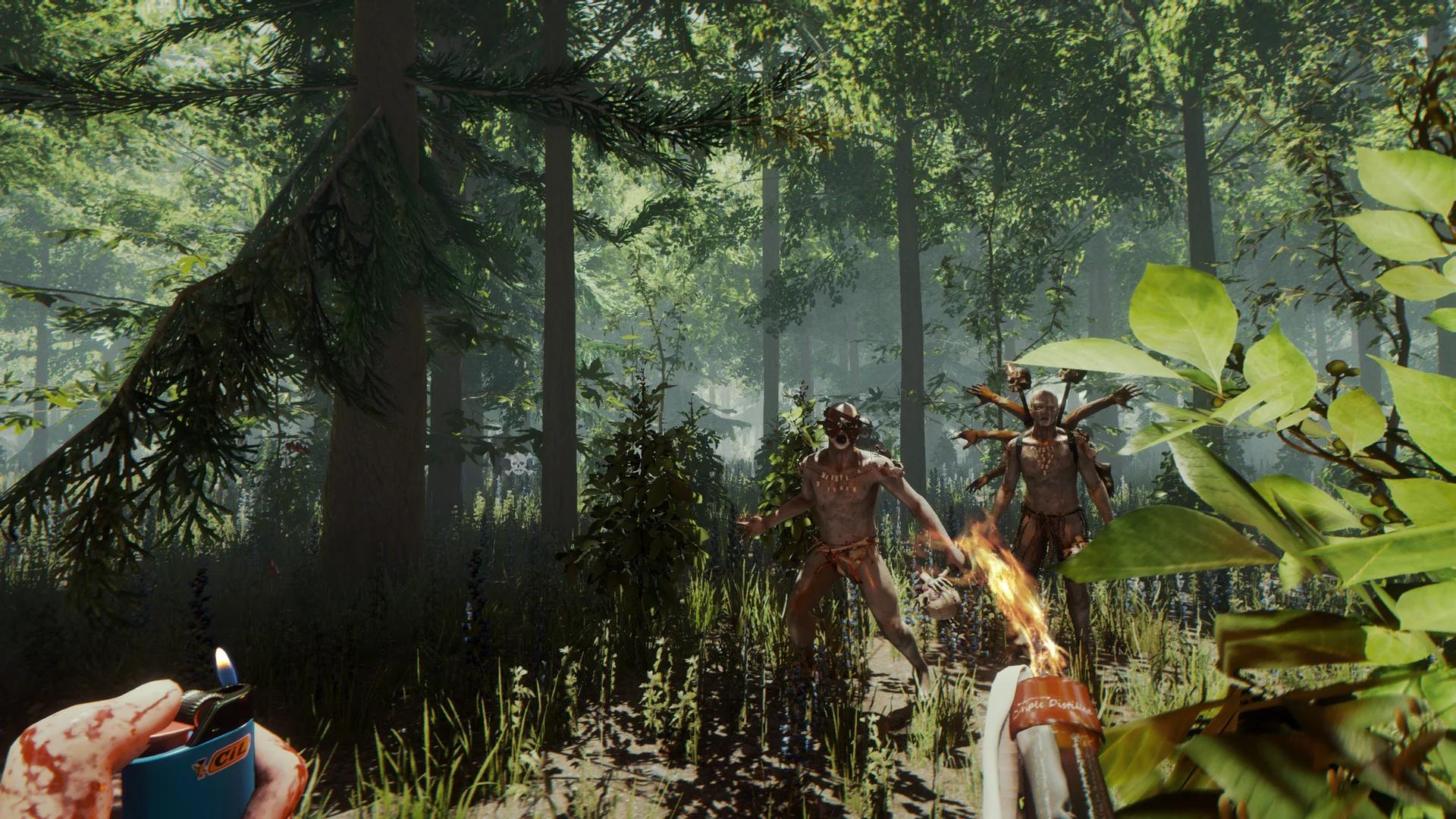
The original Forest sits at eight because Sons of the Forest exists and is better in most ways. But some groups specifically want the tighter, more focused experience, and this one still delivers it without complaint. Private co-op runs easily, the cave system is genuinely unsettling when you explore it with someone who keeps suggesting you go deeper, and the survival pressure never lets up. If your group has already played the sequel or wants a cheaper entry point into horror survival on PC, The Forest holds up. Just know what you are getting: the sequel is more polished, but this one has a rawness that some groups prefer.
- Released
- 20182018
- Genre
- PuzzlePuzzle
- Platforms
- PC, PS4PC, PlayStation 4
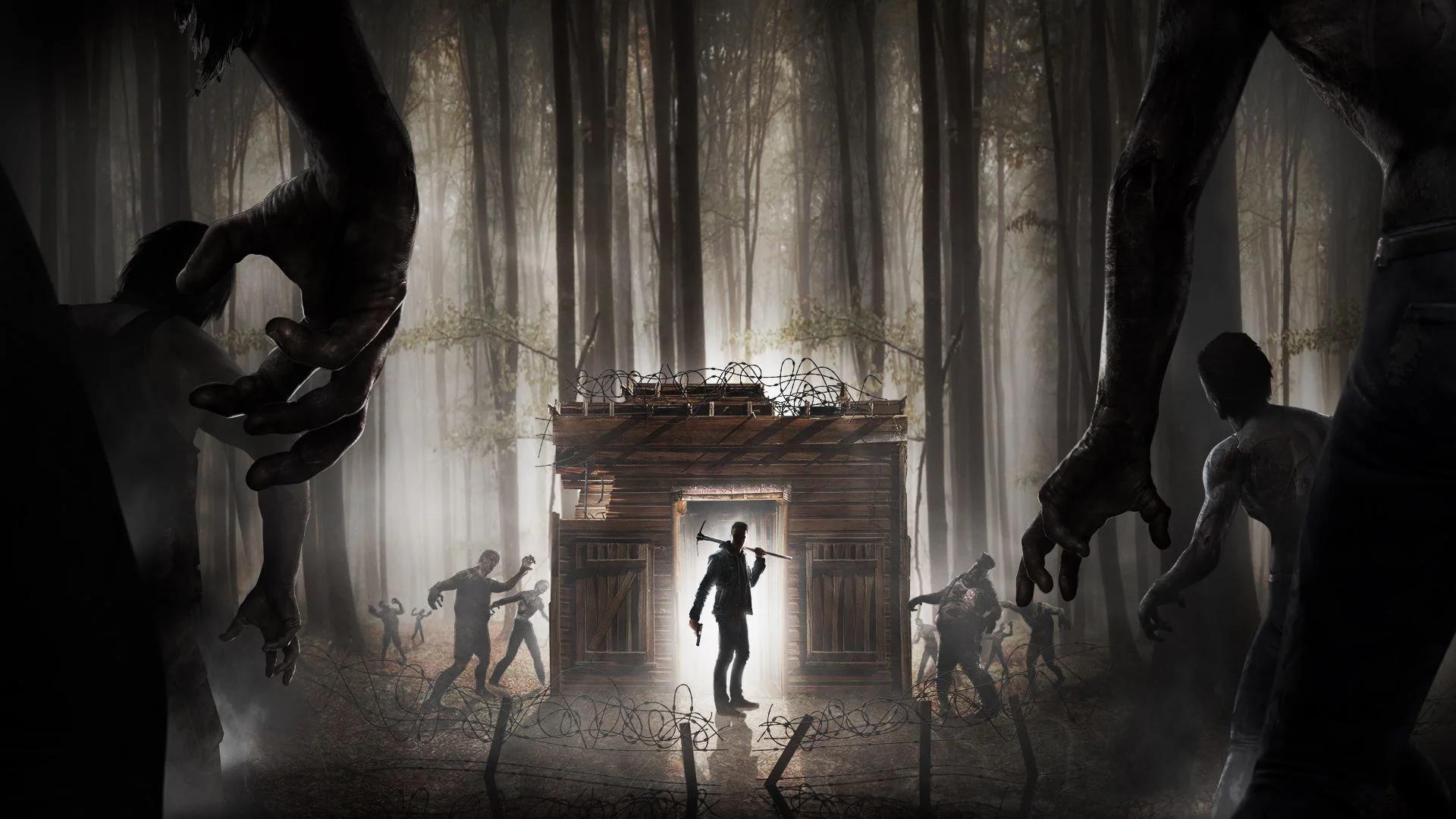
Horde night in 7 Days to Die is one of the best co-op experiences the survival genre has produced. Seven days of scavenging, building, and arguing about whether the north wall needs another layer of concrete, then one very loud night that tests all of it. Private server setup is reliable, the game scales to larger groups than most entries on this list, and the loop of preparation and defense has kept our group coming back across multiple sessions over the years. It is not a polished game. The UI is dated and the early hours involve a lot of menus. Once it clicks, though, nothing else here creates quite the same shared sense of purpose before a deadline.
- Released
- 20242024
- Genre
- ShooterShooter
- Platforms
- Linux, macOS, PC, PS4, PS5, Xbox One, Series X|SLinux, macOS, PC, PlayStation 4, PlayStation 5, Xbox One, Xbox Series X/S
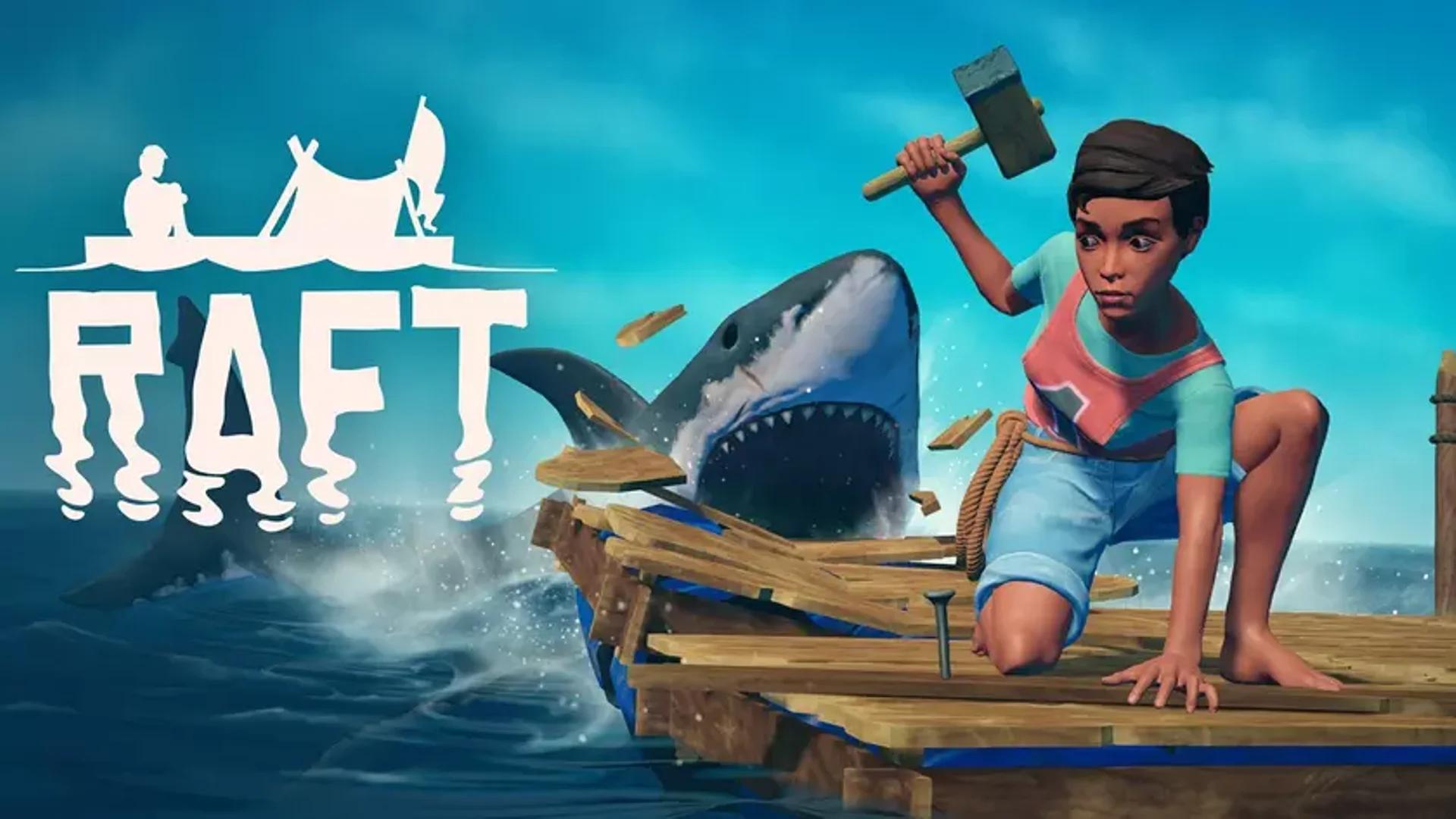
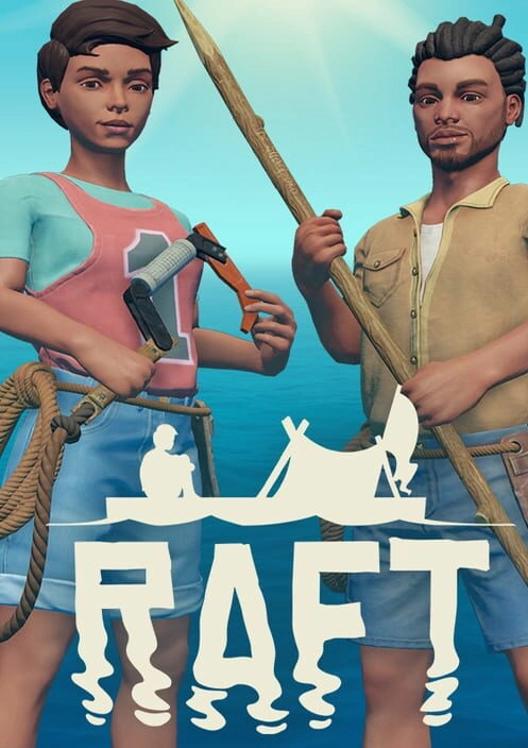
Raft closes the list because it is the easiest recommendation I can make to a group that has never done survival together before. You start on a small platform. There is an ocean. A shark wants your platform. You need more platform. That is the whole first hour, and it is immediately legible to anyone regardless of genre experience. The progression toward a proper vessel with engines, gardens, and a research station happens at a pace that never loses anyone. Private co-op hosting is simple and up to eight players can join. It lacks the systemic depth of Project Zomboid or the mythic weight of Valheim, but for a first LAN survival session with a mixed group, it earns its place.
- Released
- 20222022
- Genre
- SimulationSimulation
- Platforms
- PC, PS5, Series X|SPC, PlayStation 5, Xbox Series X/S
Honorable Mentions
These games missed the top 10 for specific reasons, but several of them are genuinely excellent depending on what your group wants.
Enshrouded is a very good private co-op game that leans more into action RPG territory than pure survival. The building systems are impressive and group progression across a persistent world is genuinely rewarding. It missed the top 10 because when you strip back the crafting and exploration, survival pressure isn't really what drives the experience. Groups that want Valheim-style scale with more combat focus will find a lot to enjoy here. Groups specifically looking for survival tension will notice its absence fairly quickly.
Conan Exiles has real survival credentials and private server customization that most games on this list can't match. The reason it didn't crack the top 10 is that it asks a lot before it gives anything back. Onboarding is rough, the world can feel overwhelming early, and the design has roots in persistent public-server culture that makes it feel slightly awkward as a same-room LAN pick. Committed groups who invest the time will find a deep PvE sandbox. Most casual LAN groups will bounce off it before that payoff arrives.
13. V Rising
81%V Rising is one of the most polished private-server experiences available and the boss hunt progression is genuinely satisfying in a group. It dropped to honorable mention because survival is not really what it is about. You are a vampire building a castle and hunting specific targets. Hunger is present but it functions more as a resource mechanic than a survival pressure system. If your group enjoyed the top 10 and wants something with excellent private-server logistics but a different feel, this is the first thing I'd point you toward.
The Planet Crafter does something genuinely interesting: you terraform a dead planet together over multiple sessions and the world visibly changes as a result of your group's work. The sci-fi setting is a welcome change from the forest and zombie survival options dominating the genre. Survival mechanics are present but soft, oxygen and resources rather than existential threat, which is why it sits here rather than in the main list. For groups who want steady collaborative progression in a relaxed atmosphere, it is an underrated pick.
15. SMALLAND
80%Smalland's premise, playing as miniature survivors in an oversized natural world, gives it a distinct identity that separates it from the crowded survival field. Base building and exploration work well in private co-op, and the setting means familiar survival activities feel fresh against the scale. It sits at the bottom of the honorable mentions because polish and recommendation confidence are lower than the stronger entries. Worth watching, especially if your group has already worked through the main list and wants something with a different visual angle.
Frequently Asked Questions
Common questions that come up when planning a survival LAN session for a private friend group.
Do survival LAN games require dedicated servers or will a listen server work?
Most of the games on this list support listen-server hosting, meaning one player in the group hosts and the others connect. That is usually enough for groups of four to eight. If you want persistence between sessions without someone keeping their machine on, a dedicated server is worth setting up. Valheim, Project Zomboid, and 7 Days to Die all have solid dedicated server documentation for exactly this use case.
Which survival games on this list work on modest or non-gaming laptops?
Don't Starve Together, Core Keeper, and Raft are your best options for hardware-limited machines. They run well on integrated graphics at lower resolutions and are unlikely to cause heating or performance problems mid-session. Valheim and Sons of the Forest are more demanding and worth testing before a LAN night if your group is on budget hardware.
Are any of these games free to play or available through subscription services?
None of the top 10 are free to play outright, though several have appeared on PC Game Pass, including Grounded and 7 Days to Die at various points. Prices fluctuate and sale pricing is common. Project Zomboid, Valheim, and Core Keeper are among the better-value purchases given how much session time they return.
How many players do these games support in a private session?
Player caps vary a lot. Core Keeper and Valheim support up to 8-10 in private sessions. Project Zomboid and 7 Days to Die scale much higher if you want to run a larger group. Don't Starve Together caps at 6. Raft and Grounded are designed around 4 players, which is the sweet spot for most LAN groups anyway.
Is it better to run a persistent world across multiple LAN sessions or start fresh each time?
Persistent worlds are generally more rewarding if your group can commit to a few sessions. The progression in Valheim, Project Zomboid, and 7 Days to Die pays off specifically because you are building toward something across multiple days. If your group only meets occasionally or has rotating attendance, games like Don't Starve Together that reset naturally between runs are easier to manage.
Conclusion
Survival games earn their place at a LAN party because the pressure is shared. When the horde arrives in 7 Days to Die and someone forgot to reinforce the north wall, that is a room moment, not just a game moment. Valheim and Grounded are where most groups should start. Project Zomboid and Don't Starve Together are where you go once the group has an appetite for something harder. Whatever your starting point, if you want help narrowing it down further by your group's preferred tone or session length, check out our Best Free LAN Party Games for PC guide for budget options, or our Best LAN Party Shooter Games for PC if survival between rounds needs a change of pace.
Ready for more tailored picks? Try our Recommendations Engine for suggestions that match your play style.