
Most of the gaming I do on actual laptops happens at LAN parties, sitting around a table with friends on machines that were never bought for gaming. What we can run and what is worth running are two different questions, and the games that answer both well are rarer than you would think. This list is the result of working through that problem seriously: not just games that technically launch on integrated graphics, but games where the solo experience is good enough that you would recommend them regardless of the hardware situation.
I ranked each game on two equally weighted dimensions: single-player quality and low-end performance fit. Longevity, modern playability, and accessibility on budget hardware split the remaining weight.
For the full picture on low-end PC and laptop gaming across all modes, see our Best Low-End PC and Laptop Games guide. This article focuses specifically on single-player experiences.
Quick Picks
Best for sandbox exploration: Terraria
Best roguelite for strategy fans: Slay the Spire
Best for a long cozy playthrough: Stardew Valley
Best for tactics fans: Into the Breach
Best for exploration and atmosphere: Hollow Knight
The Top 10 Best Single-Player Games for Low-End PCs and Laptops
Every game here is worth playing on its own merits. The hardware compatibility is a bonus, not the whole argument.
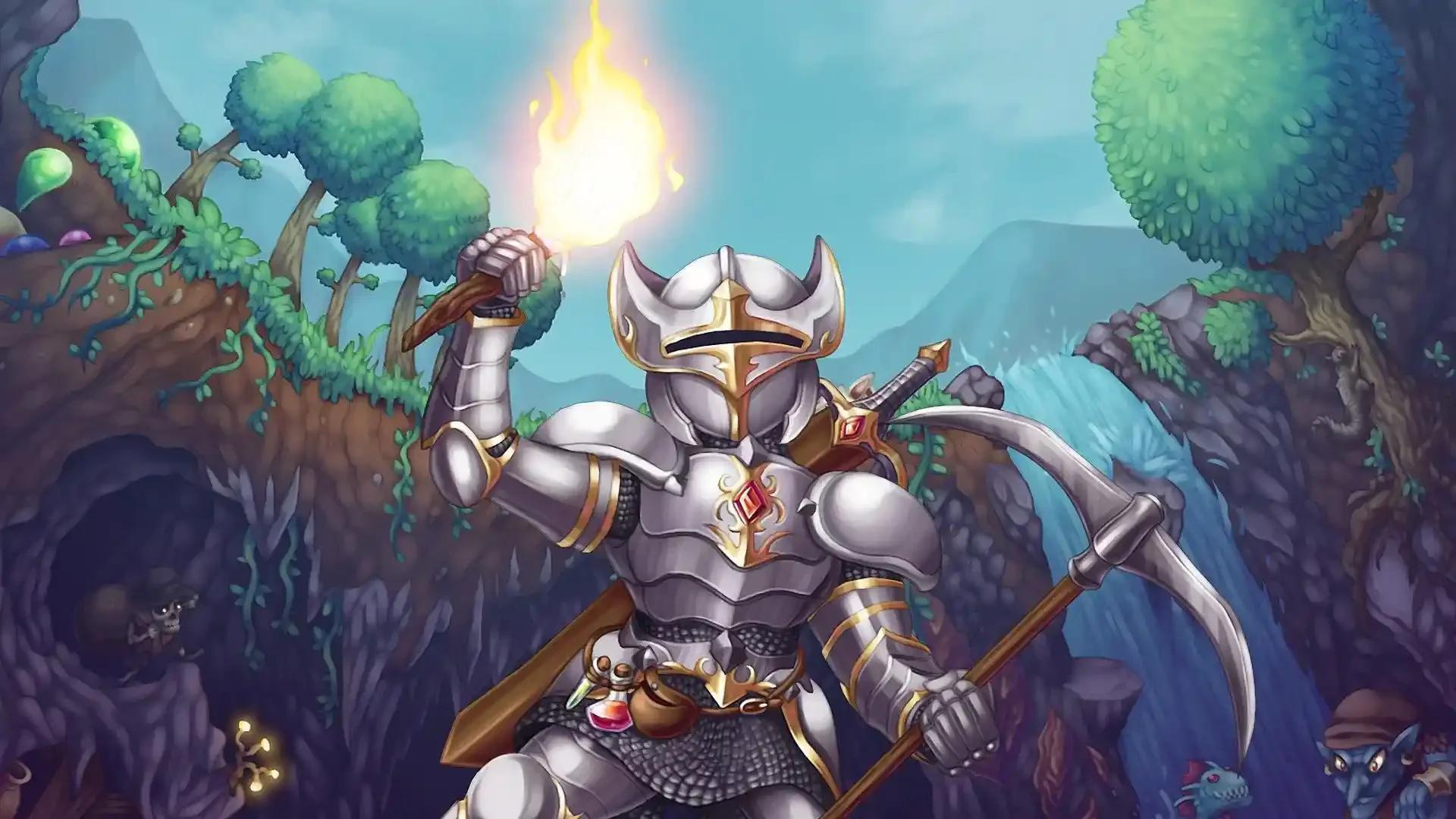
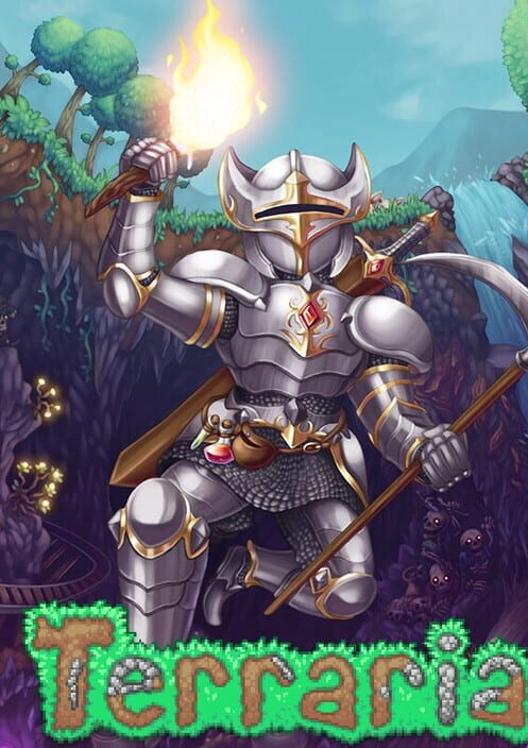
I run a regular LAN setup where half the group is on non-gaming laptops, and Terraria is one of the few games we can launch without anyone checking specs first. Solo, it is a different beast entirely. There is a full progression arc here: mine, build, craft, fight bosses, repeat, and somehow two hundred hours later you are still finding things you missed. The 2D presentation is doing a lot of heavy lifting in the best possible way. It asks almost nothing of your hardware while giving you a world that genuinely rewards curiosity. First few hours feel aimless. Push through them.
- Released
- 20112011
- Genre
- PlatformerPlatformer
- Platforms
- Android, iOS, Linux, macOS, PC, PS4, Switch, Xbox OneAndroid, iOS, Linux, macOS, PC, PlayStation 4, Nintendo Switch, Xbox One
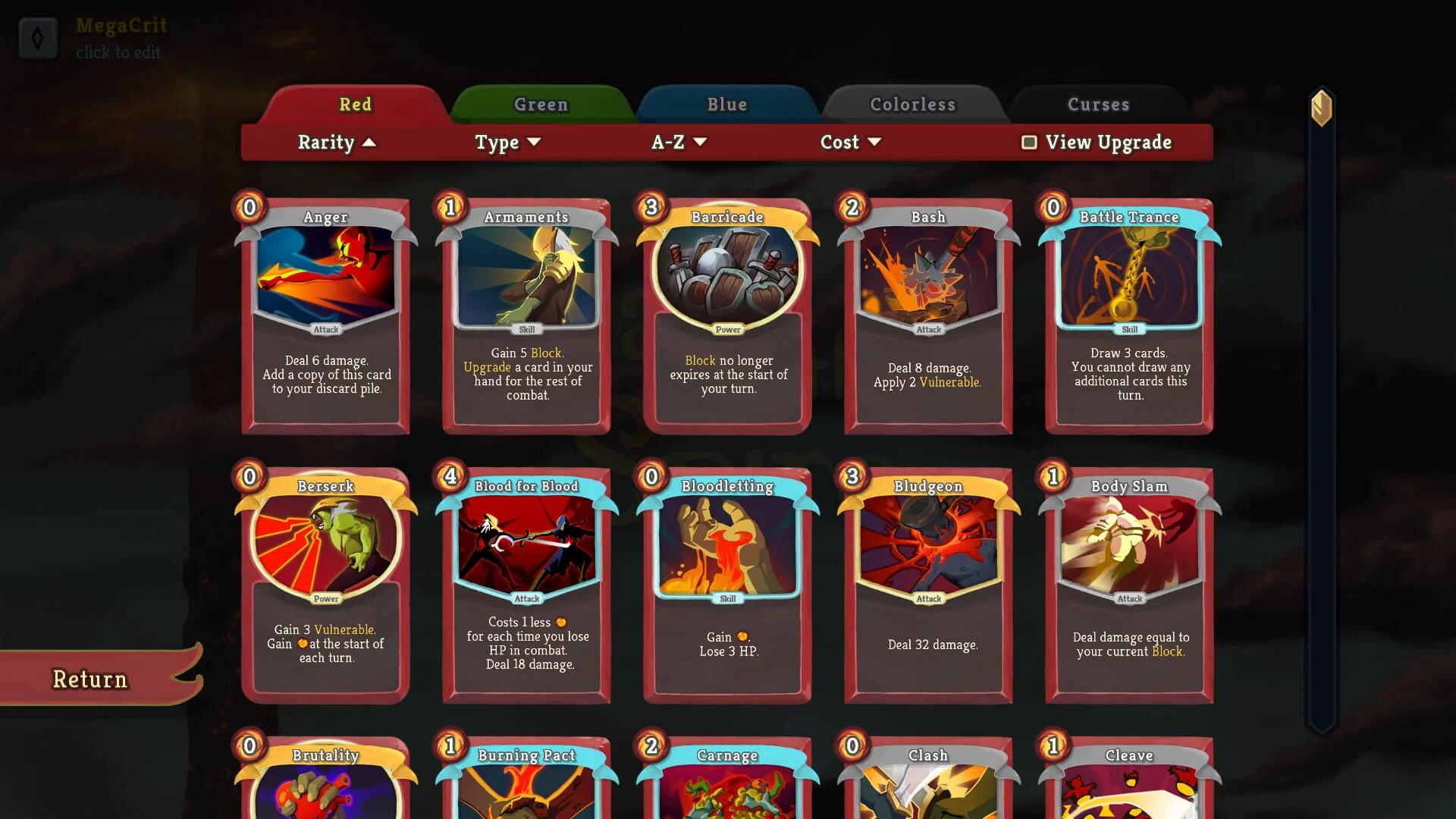
Turn-based strategy is the genre I reach for when I want to think rather than react, and Slay the Spire is the cleanest version of that impulse I have found on PC. Each run is a forty-minute puzzle where your deck is the solution and the enemies are the constraints. The Ironclad plays completely differently from the Silent, which plays completely differently from the Defect. I have restarted more runs in this than I would like to admit, usually because a relic combination opened up something I had not tried before. Runs on anything. No excuses needed to start.
- Released
- 20192019
- Genre
- RPGRPG
- Platforms
- Android, iOS, Linux, macOS, PC, PS4, Switch, Xbox OneAndroid, iOS, Linux, macOS, PC, PlayStation 4, Nintendo Switch, Xbox One
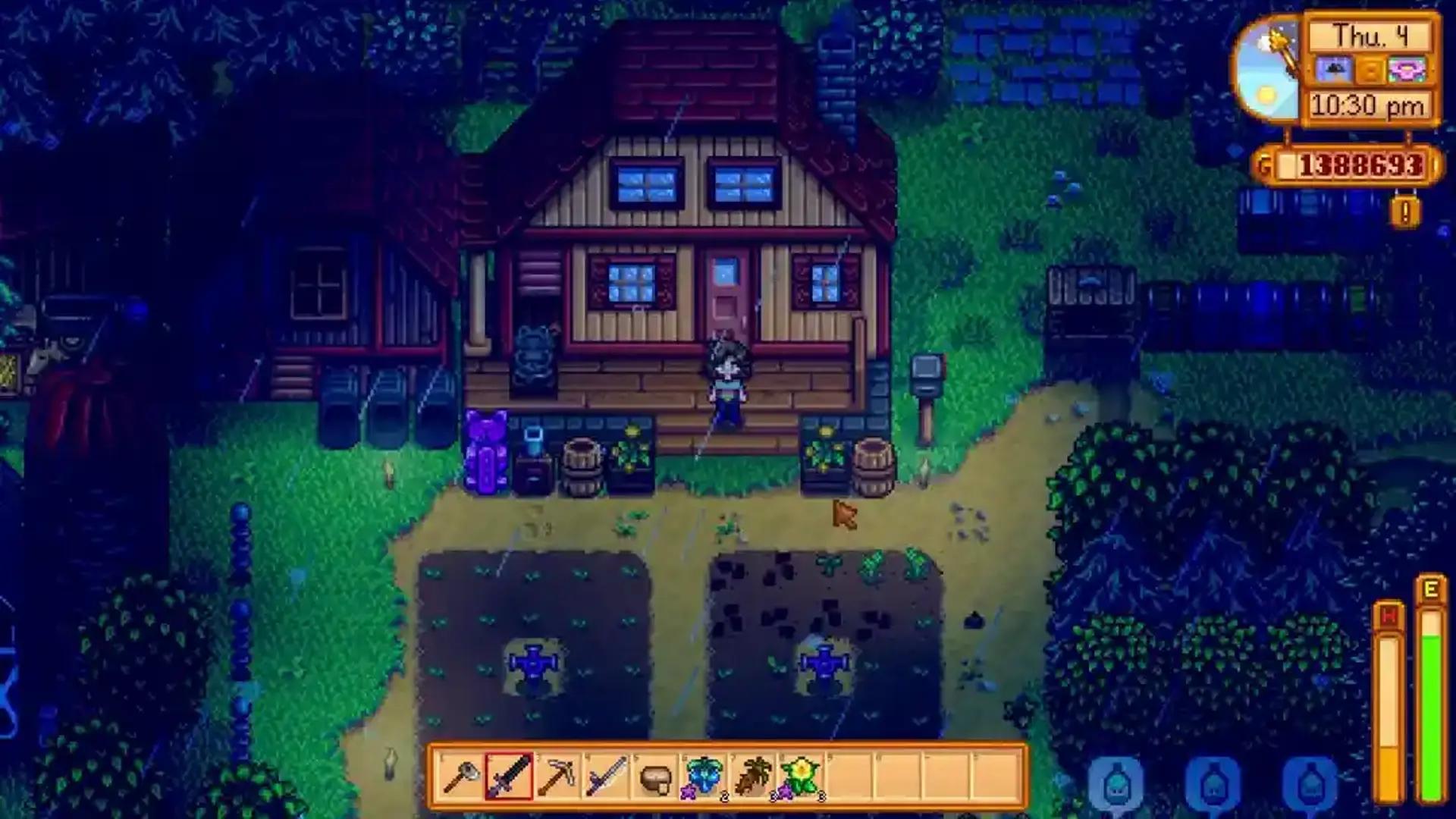
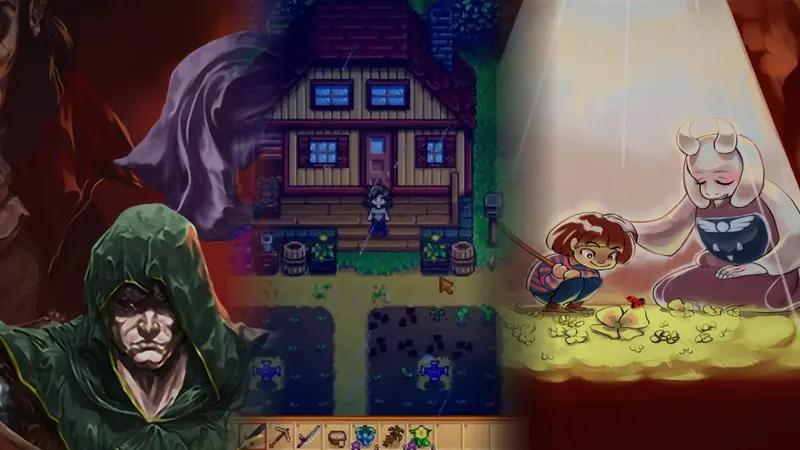
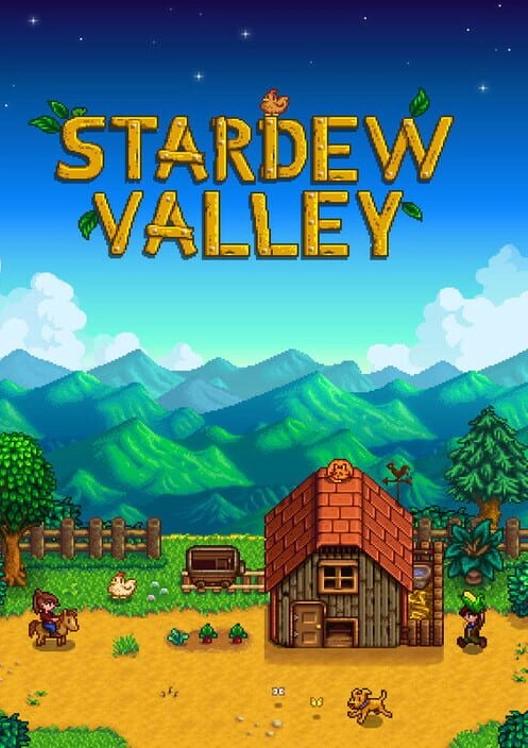
My wife played Animal Crossing for a year and a half and barely touched anything else. Stardew Valley scratches a similar itch but adds enough structure and progression that it pulled me in too. There is a mine to descend, relationships to build, crops to time against the calendar, and a late-game that opens up in ways the first season does not hint at. It runs on integrated graphics without a second thought, which matters when the laptop in question is a work machine being borrowed for an evening. Optional multiplayer exists, but the solo loop needs nothing added to it.
- Released
- 20162016
- Genre
- RPGRPG
- Platforms
- Android, iOS, Linux, macOS, PC, PS4, Switch, Switch 2, Xbox OneAndroid, iOS, Linux, macOS, PC, PlayStation 4, Nintendo Switch, Nintendo Switch 2, Xbox One

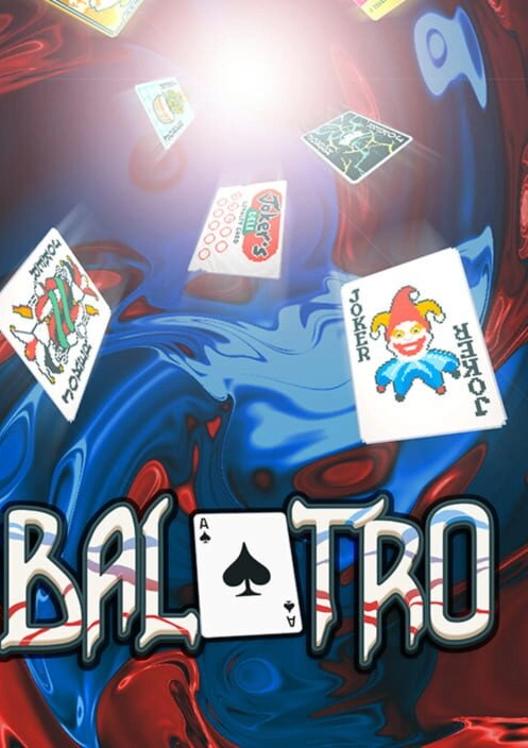
Balatro is poker if poker were designed by someone who wanted to break poker. You are building hands, stacking joker combinations, and chasing score multipliers that eventually reach numbers that feel like a bug. It is not a bug. I went in expecting a novelty and stayed for what turned out to be one of the most compelling run-based games I have played in years. The hardware ask is basically zero. I tested it on a laptop I would not normally consider gaming hardware at all, and it ran without complaint. One of the most justified recent inclusions on any low-end list.
- Released
- 20242024
- Genre
- StrategyStrategy
- Platforms
- Android, iOS, macOS, PC, PS4, PS5, Switch, Switch 2, Xbox One, Series X|SAndroid, iOS, macOS, PC, PlayStation 4, PlayStation 5, Nintendo Switch, Nintendo Switch 2, Xbox One, Xbox Series X/S

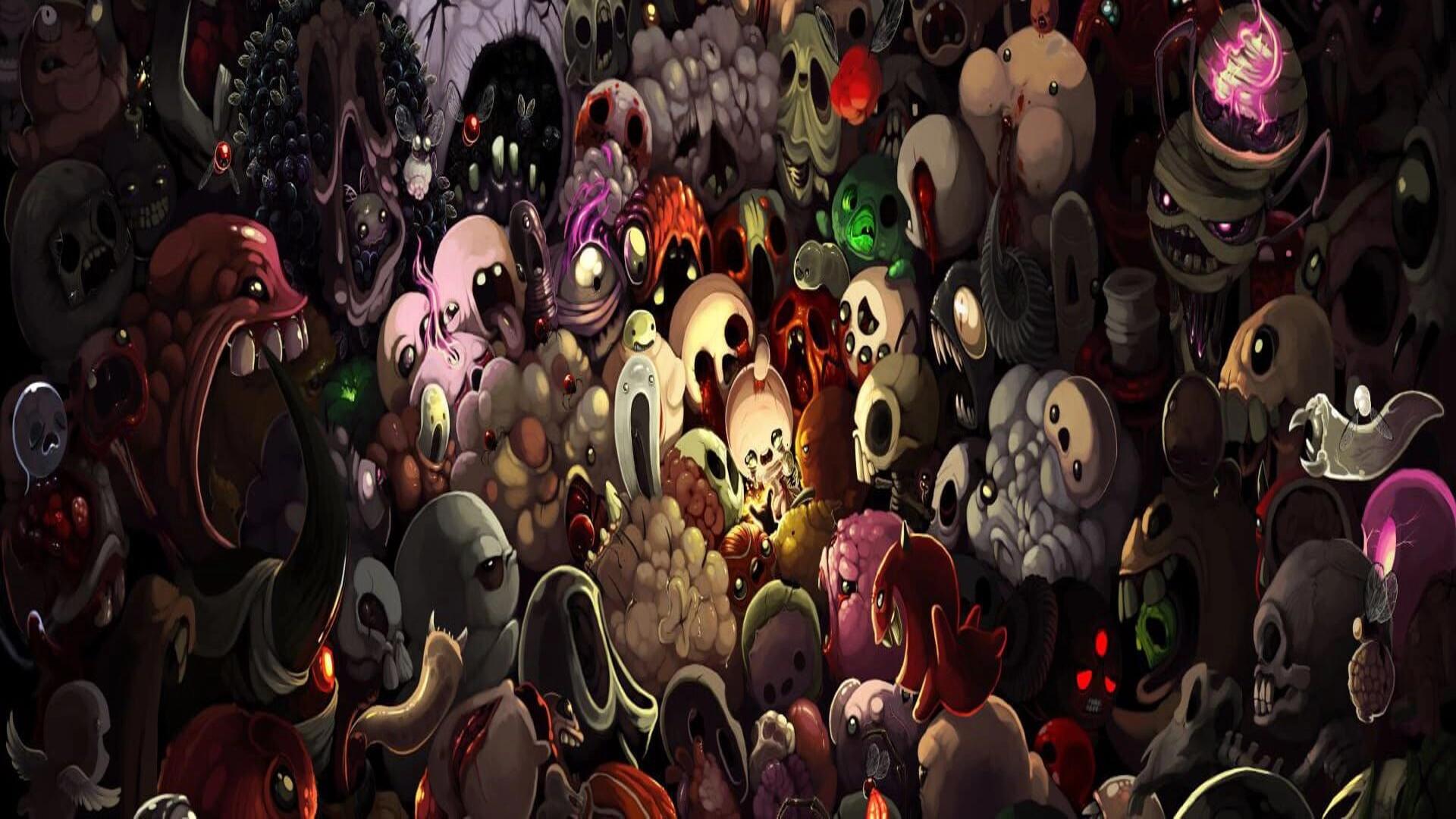
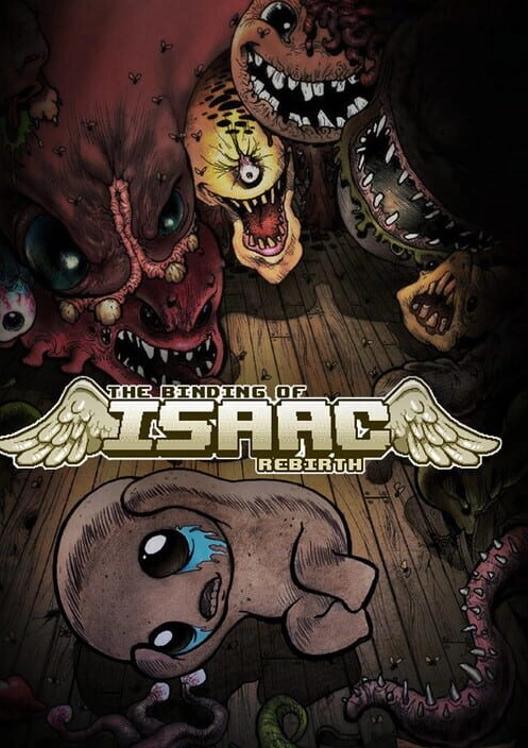
The unlock pool in Isaac is absurd. Hundreds of items, dozens of characters, multiple floors with alternate variants, challenge runs, and an achievement list that veteran players treat as a second game inside the first. A single run takes thirty to forty minutes, which suits late-evening sessions perfectly. The art style is deliberately off-putting to some people and that is worth knowing going in. If it does not bother you, you are looking at one of the deepest solo roguelites on PC at a size that fits on nearly any machine. The ceiling on this one is genuinely hard to find.
- Released
- 20142014
- Genre
- ShooterShooter
- Platforms
- iOS, Linux, macOS, PC, PS4, Xbox OneiOS, Linux, macOS, PC, PlayStation 4, Xbox One
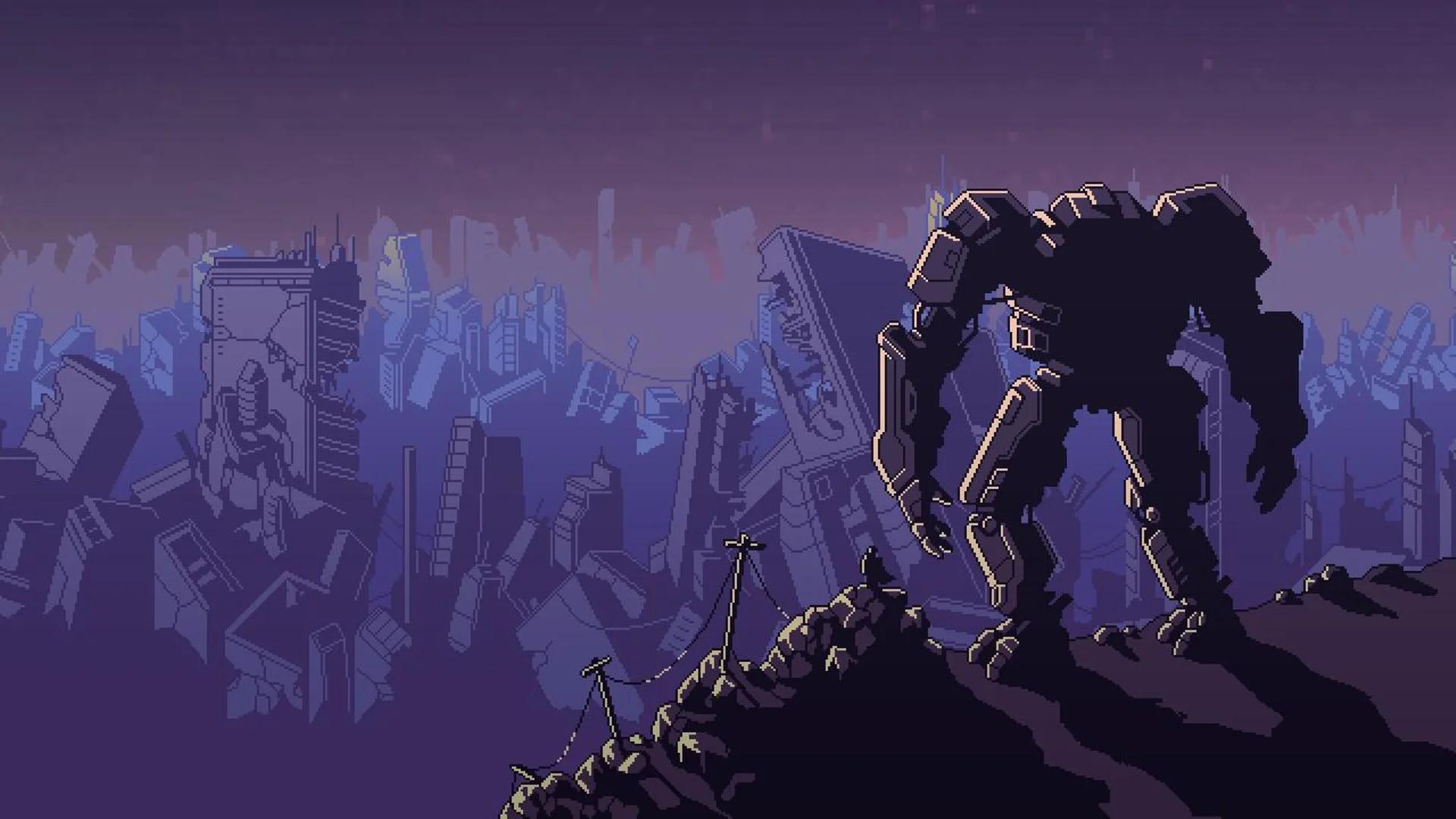
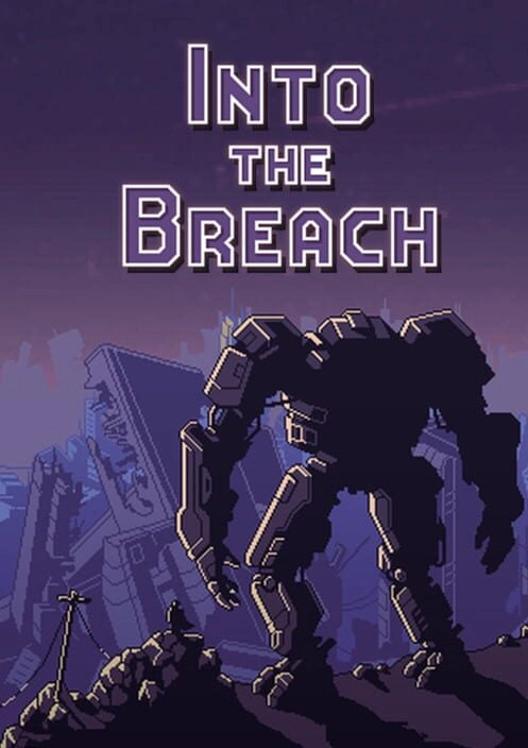
What I appreciate about Into the Breach is that it never hides information from you. Every enemy move is telegraphed. Every outcome is calculable. When you lose, it is because you made a bad call, not because the game surprised you unfairly. That kind of pure decision-making is rare in tactics games. Missions run about ten to fifteen minutes, which makes it genuinely playable between other things rather than something that requires an hour of setup to feel worthwhile. The install size is tiny. The hardware load is basically nothing. Strategy fans on older laptops, this is your benchmark recommendation.
- Released
- 20182018
- Genre
- PuzzlePuzzle
- Platforms
- Android, iOS, Linux, macOS, PC, SwitchAndroid, iOS, Linux, macOS, PC, Nintendo Switch
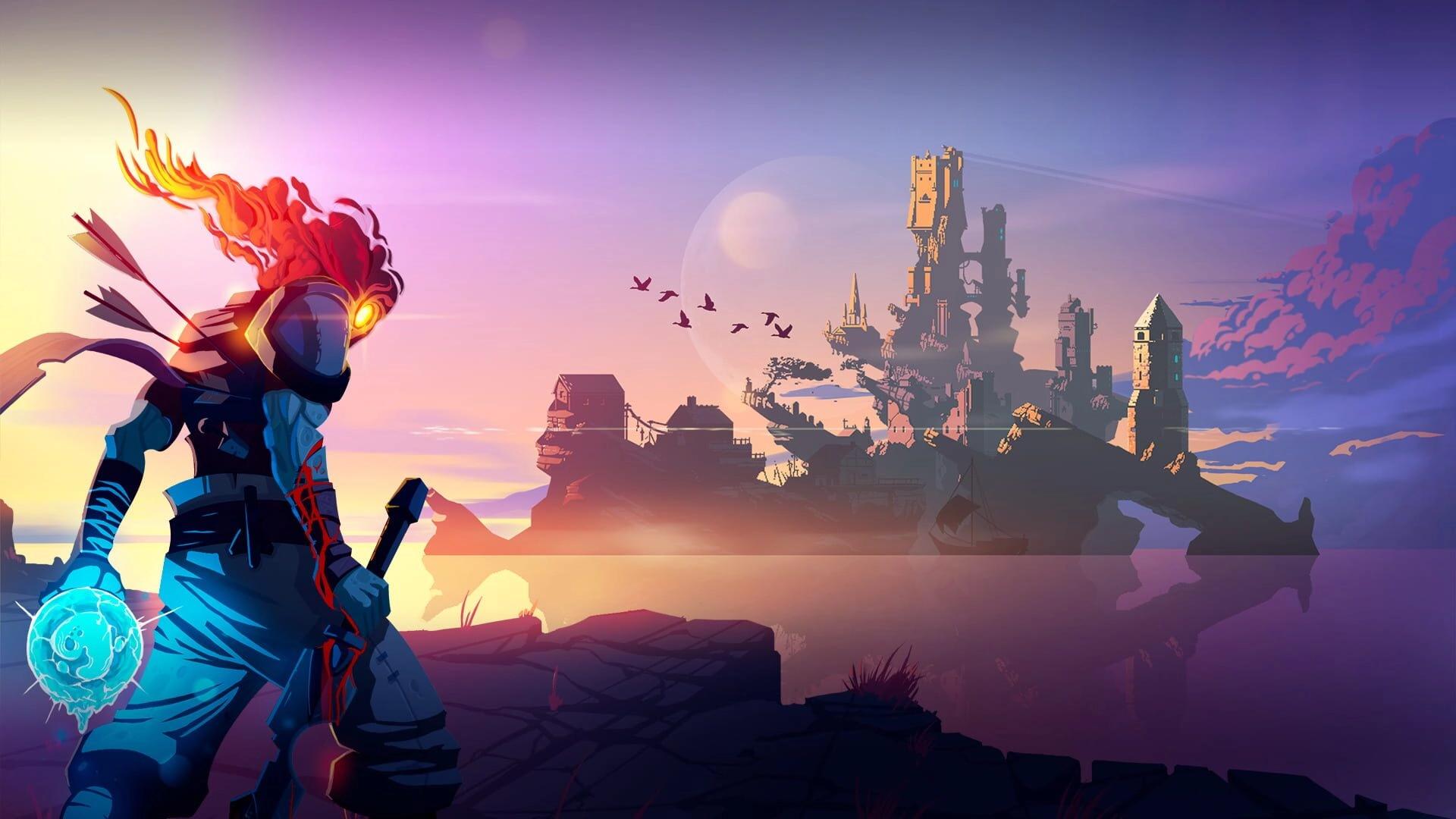
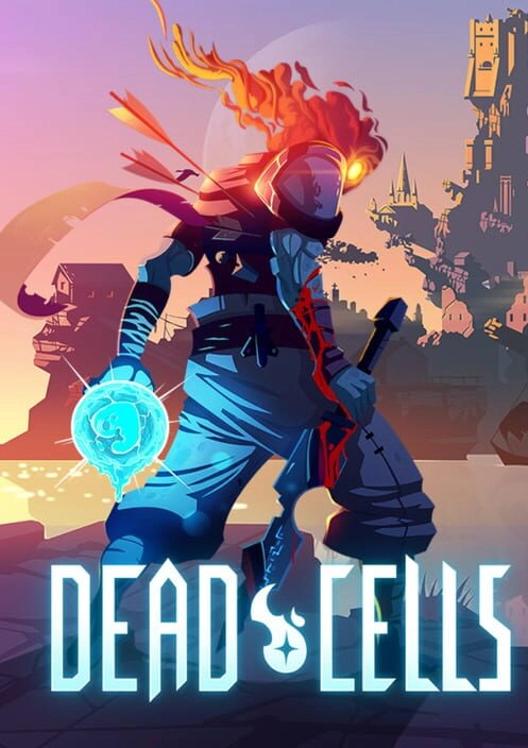
Dead Cells moves fast. That is the first thing to know. It is not the deliberate, pause-and-assess rhythm of Isaac or Into the Breach. You are chaining parries, repositioning mid-air, and building a weapon loadout that either clicks or falls apart at the boss. I came to it after Hollow Knight and it scratched a different part of the same itch: handcrafted world logic but with runs instead of a fixed map. It looks polished in a way that belies its hardware requirements. Genuinely surprised how smoothly it runs on modest machines given how kinetic the action is.
- Released
- 20182018
- Genre
- PlatformerPlatformer
- Platforms
- Android, iOS, Linux, macOS, PC, PS4, PS5, Switch, Xbox OneAndroid, iOS, Linux, macOS, PC, PlayStation 4, PlayStation 5, Nintendo Switch, Xbox One
If you want something with a narrative focus specifically, our Best Story Games for Low-End PCs guide goes deeper into that corner of the list.

FTL is one of those games I recommend to people who say they do not have time for games. A run takes an hour. You will be dead by the fifth sector. Then you will start another one because you almost had it that time. The ship management loop, assigning crew, routing power, deciding whether to jump or fight, creates genuine tension without a single piece of 3D geometry to render. It will run on a laptop from a decade ago without issue. The presentation is older and some UI choices show their age, but the underlying design is still tight.
- Released
- 20122012
- Genre
- RPGRPG
- Platforms
- iOS, Linux, macOS, PCiOS, Linux, macOS, PC

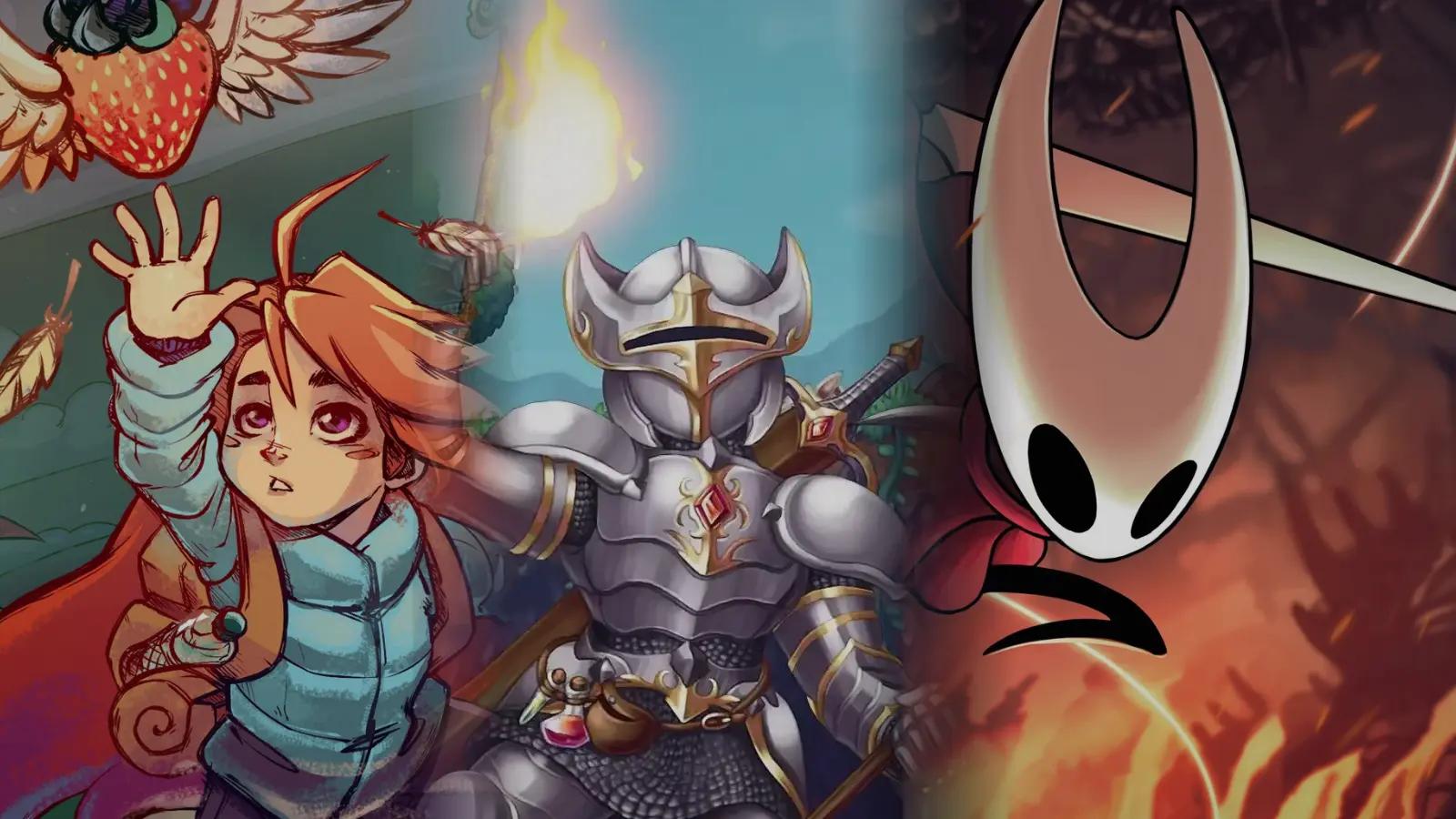
Hollow Knight is the game I point to when someone asks whether indie games can carry the same weight as a full-budget release. Forty-plus hours in a handcrafted world where every area has its own visual identity, enemy set, and lore layer. The combat starts simple and develops into something that demands real precision by the late game. Ghost of Tsushima is my touchstone for open worlds that feel like places worth moving through slowly. Hollow Knight does something similar in 2D, where simply crossing a new section of the map carries the sense that the designers put real thought into what this place should feel like. Very low hardware demands.

- Released
- 20172017
- Genre
- PlatformerPlatformer
- Platforms
- Linux, macOS, PC, PS4, PS5, Switch, Switch 2, Xbox One, Series X|SLinux, macOS, PC, PlayStation 4, PlayStation 5, Nintendo Switch, Nintendo Switch 2, Xbox One, Xbox Series X/S
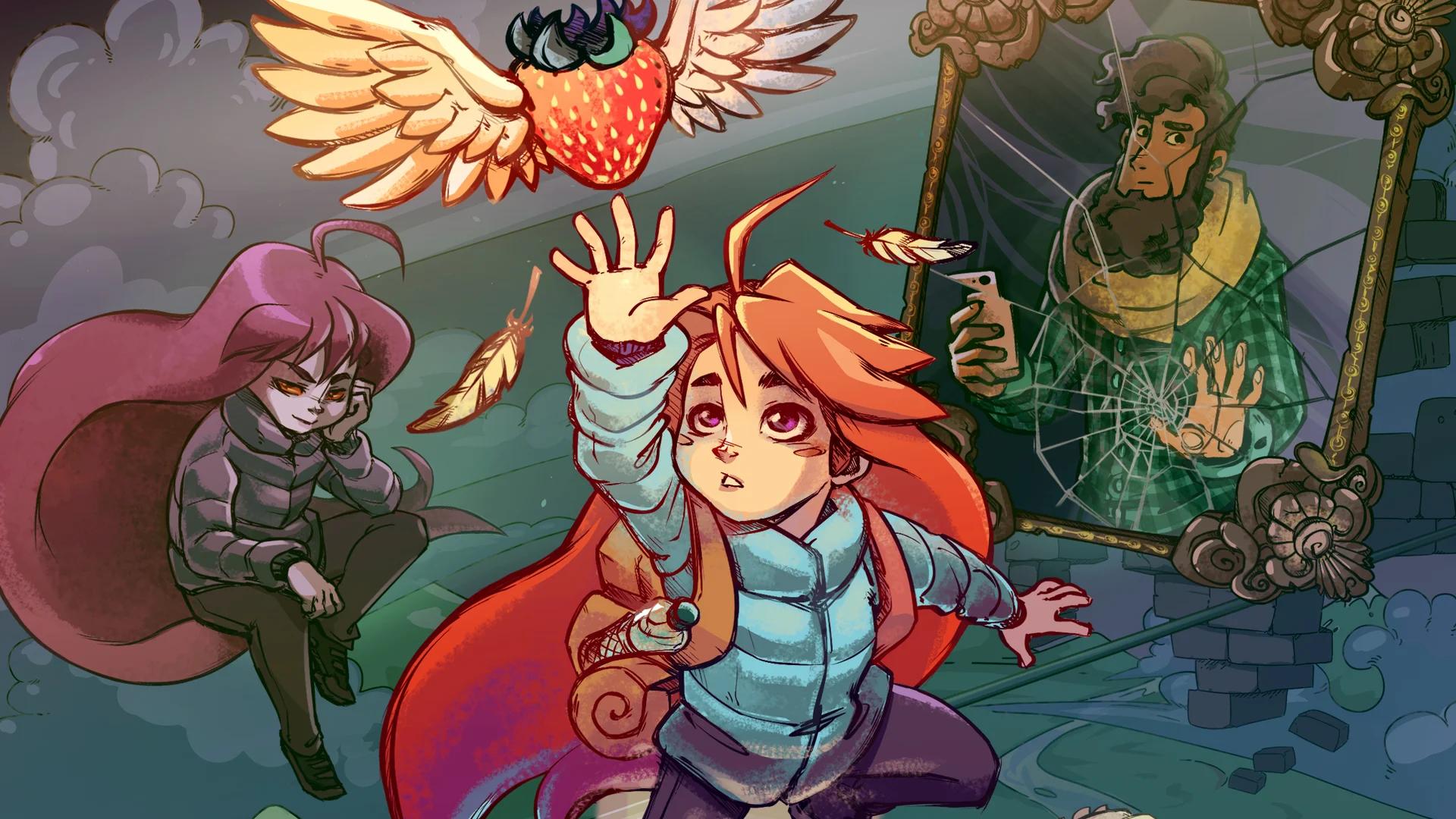
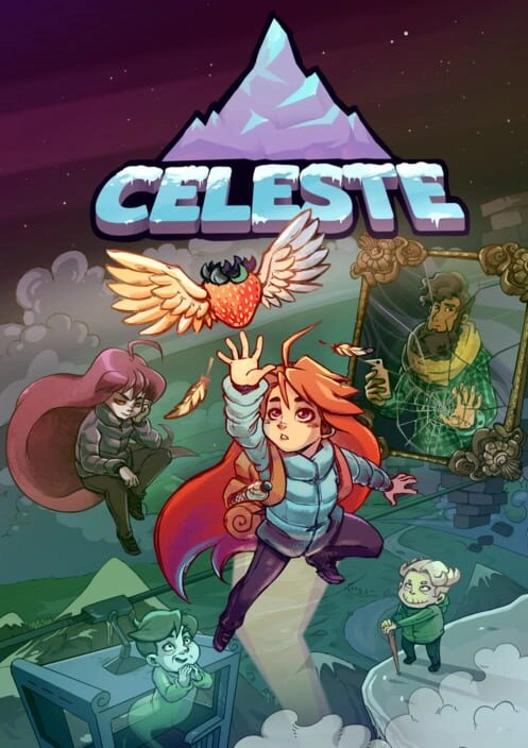
Celeste gets recommended constantly and the praise is justified, but the thing that surprised me was the Assist Mode. It lets you slow the game down, add extra dashes, toggle invincibility. Not as a cheat code buried in a menu you feel bad opening, but as a designed option the developers explicitly built in and endorse. For a game about a character overcoming something difficult, that framing matters. The platforming is precise and satisfying without it. With it, the story is accessible to players who would otherwise bounce off the difficulty. Either way, the hardware ask is minimal and the responsiveness on any machine is excellent.
- Released
- 20182018
- Genre
- PlatformerPlatformer
- Platforms
- Linux, macOS, PC, PS4, Switch, Xbox OneLinux, macOS, PC, PlayStation 4, Nintendo Switch, Xbox One
Honorable Mentions
These games narrowly missed the top ten, each for a specific reason. Most of them are easy recommendations for the right player.
CrossCode is the honourable mention I feel most conflicted about not ranking. It is a full-length action RPG with dungeons, puzzles, and character progression that would hold its own against titles three times its file size. I kept it off the main list because the roguelites and strategy games above it score higher on raw replay value for the time investment, but if you want a proper campaign with a beginning, middle, and end, CrossCode delivers that on low-end hardware without compromise. The pixel-art presentation keeps demands low while the combat and puzzle design feel genuinely modern.
Silksong earns a mention because everything known about it points to the same quality bar as its predecessor, with low-end hardware compatibility you would expect from Team Cherry. I have been watching this one for a while. If you are reading this after a full launch and positive reception, it is a strong candidate to displace something in the top ten. Check current reviews and performance reports before committing. It is here as a conditional recommendation, not a guaranteed one, which is why the main list went with the sure things.
Undertale has been recommended so many times that it is easy to dismiss as a meme rather than a game. Play it anyway. The writing is genuinely funny, the combat system does something unusual with moral choice, and the multiple routes mean a second playthrough is a meaningfully different experience. Runs on anything with a display. It missed the top ten mostly because replay value is lower than the roguelites above it and the experience is relatively short. As a single playthrough recommendation for someone on very modest hardware who wants something with personality, it is still an easy yes.
Papers, Please is the kind of game that makes you feel bad about doing your job correctly. You are a border inspector in a fictional Soviet-adjacent state, and the routine of stamping documents becomes oppressive in a way that lands harder than most action games manage. Sessions are short by design, which suits a laptop you pull out for an hour between other things. It missed the main list because replay value is limited once you have seen the major endings. But for sheer originality and near-universal hardware compatibility, it belongs on your list if you have not played it.
15. Portal 2
90%Portal 2's solo campaign is one of the most confident puzzle designs in PC gaming. The writing holds up, the mechanics build logically from simple to genuinely clever, and the Source engine runs on hardware that should no longer be running anything. I played through it years ago and the GlaDOS dialogue still comes to mind unprompted. It missed the main list on replay value alone. Once you know the solutions, a second run does not offer much new. First time through, though, it is a benchmark recommendation for anyone with a low-end machine and a few evenings to spare.
Frequently Asked Questions
Common questions from players on budget or older hardware trying to find the right game.
What counts as a low-end PC or laptop for these recommendations?
Roughly: integrated graphics such as Intel UHD or AMD Radeon integrated, 4 to 8GB of RAM, and a processor from the last eight to ten years. Every game on this list runs acceptably on that kind of setup, though some will need settings adjusted downward. If your machine is older than that, start with FTL or Papers, Please, which have almost no hardware floor at all.
Do any of these games require an internet connection?
No. Every ranked entry plays fully offline once installed. Steam requires an internet connection to download and activate, but all ten games run without one after that. A handful have optional online features, like Stardew Valley's multiplayer, but nothing on the solo side requires connectivity.
Are there any 3D games on this list?
Portal 2 is the only one in the honorable mentions that uses a first-person 3D perspective, and it runs on the Source engine, which is famously kind to older hardware. The main top ten is dominated by 2D and top-down titles, which is not a coincidence. 2D presentation is the single most reliable predictor of low-end compatibility without sacrificing gameplay quality.
Which game on this list has the most content for the price?
Terraria and The Binding of Isaac: Rebirth both make a strong case for that title. Terraria has an enormous amount of structured content in its main progression. Isaac has fewer directed objectives but a deeper unlock pool that serious players spend hundreds of hours working through. It depends whether you want a world to explore or a system to master.
I only have a couple of hours a week to play. Which game fits best?
Into the Breach. Missions take ten to fifteen minutes and runs are self-contained enough that you do not need to carry context between sessions. Slay the Spire runs close, with forty-minute runs that have a clean start and end. Both are genuinely satisfying in short bursts rather than games that only open up after three hours of setup.
Conclusion
The best single-player games for low-end hardware share one quality: they were designed around clarity and constraint, and those are the same things that make them run well anywhere. Whether you work through the tactical precision of Into the Breach, lose a weekend to Terraria's progression, or finally give Hollow Knight the forty hours it deserves, the hardware on your desk is not the obstacle you think it is.
For RPG-focused picks specifically, the Best RPG Games for Low-End PCs guide goes further in that direction. Survival fans should check out Best Survival Games for Low-End PCs for that angle.