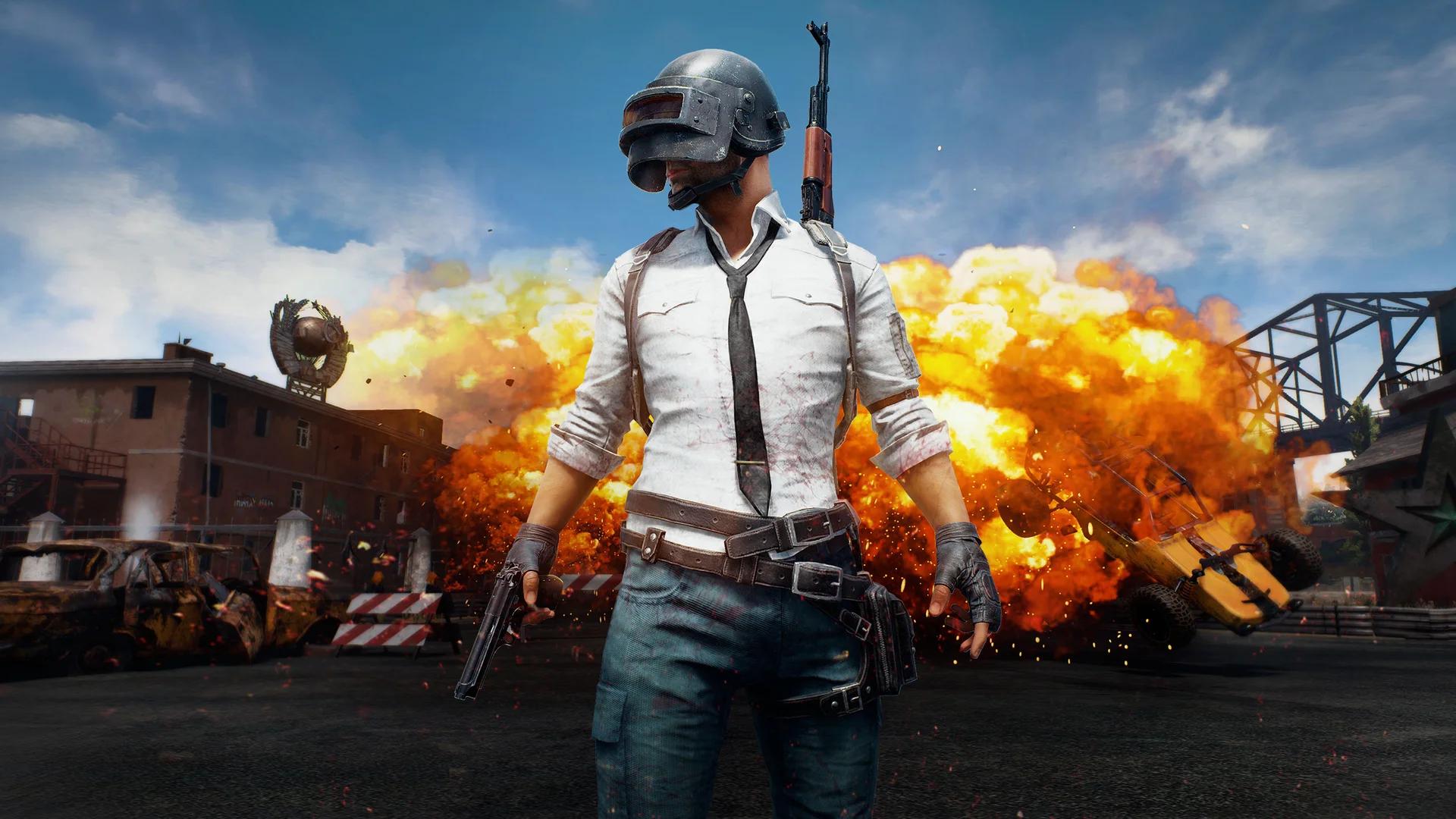

PUBG stands out in the free shooter landscape for its methodical, simulation-leaning approach to battle royale. Where competitors favor fast movement and respawns, PUBG doubles down on ballistics modeling, sound propagation, and strategic map traversal. Its varied terrain—from Erangel's fields to Miramar's desert—demands different tactical approaches. Best for players seeking measured, high-stakes gunfights where a single engagement can end your run, rewarding patience over aggression.


PlayerUnknown’s Battlegrounds
December 20, 2017ShooterESRB TMetacritic 81
The Verdict
Best if you want methodical, high-stakes battle royale where positioning, sound cues, and realistic ballistics matter more than twitch reflexes—PUBG rewards patience and tactical planning over run-and-gun chaos.
What It's Like to Play
PUBG: BATTLEGROUNDS defined the modern battle royale template, and it still stands apart for its grounded, simulation-leaning gunplay. Every match drops 100 players onto sprawling maps where sound, cover, and the shrinking play zone force careful decision-making. You'll parachute in, scavenge buildings for weapons and armor, then balance looting speed against the encroaching circle—a gameplay loop that demands map knowledge, risk assessment, and smart rotations rather than pure aim. The gunplay is PUBG's core strength: weapons have realistic recoil, bullet drop, and travel time, so long-range fights require leading shots and controlling spray patterns. Sound design is critical—footsteps, gunfire, and vehicle engines telegraph enemy positions, rewarding players who listen carefully and move deliberately. This isn't a game where you respawn and rush back in; every engagement carries real weight because death means sitting out until the next match. The learning curve is steep. New players will struggle with ballistics, inventory management under pressure, and reading the circle's timing. Training modes and the shooting range help, but expect dozens of matches before you're consistently placing in the top twenty. Squad play softens the blow—teammates can revive you—and adds a layer of tactical coordination that makes victories feel earned. Session length runs twenty to thirty minutes if you survive to late circles, though early deaths mean you're back in queue quickly. Maps vary in size and pacing: Erangel and Miramar favor long-range engagements and vehicle rotations, while Sanhok condenses the action into faster, mid-range brawls. Seasonal updates and ranked modes keep the meta shifting, and the free-to-play model is genuinely fair—cosmetics don't affect performance. PUBG remains unmatched for players who want tactical depth and high-stakes tension in their battle royale. It's slower and less forgiving than Apex or Fortnite, but that deliberate pacing is the point. If you thrive on reading the map, outmaneuvering opponents through positioning, and savoring final circles where every sound and sightline matters, PUBG delivers a uniquely methodical BR experience that's still thriving years after launch.
Best For
- Tactical shooter fans who value positioning and sound design over twitch reflexes
- Squad players who enjoy coordinated rotations and revive mechanics
- Battle royale purists seeking realistic ballistics and high-stakes, no-respawn matches
Not For
- Players expecting fast respawns or constant action without downtime
- Those frustrated by steep learning curves and unforgiving gunplay mechanics
- Gamers seeking cutting-edge visuals or polished UI—technical feel can be dated
About PlayerUnknown’s Battlegrounds
Story setup
At a glance
- Released
- December 20, 2017
- Platforms
- PlayStation 4, Xbox Series X/S, PlayStation 5, PC, Xbox One
- Genres
- Shooter, Action
- Play modes
- Single Player, Multiplayer, Co-op, PvP, Online Multiplayer, Battle Royale
- Age rating
- ESRB T
- Time to beat
- ~5 hours
- Multiplayer
- By platform
- Metacritic
- 81
- Player rating
- 3.7
Screenshots
Click any screenshot to view it full size.
How long to beat
Player-reported completion times for PlayerUnknown’s Battlegrounds.
- Rushed
- 4hoursMain story only
- Typical
- 5hoursStory plus some extras
- Completionist
- 3hoursEvery side objective too
Estimated from 9 player reports — a small sample, so treat these as approximate.
Multiplayer by platform
How PlayerUnknown’s Battlegrounds supports playing with other people, broken down per platform.
| Platform | Local | Online | LAN | Split-screen | Co-op campaign | Drop-in/out |
|---|---|---|---|---|---|---|
| PC | No | Yes, up to 100 players | No | No | No | No |
| PlayStation 4 | No | Yes, up to 100 players | No | No | No | No |
| Xbox One | No | Yes, up to 100 players | No | No | No | No |
- Supported (a number is the player cap)
- Not supported
- Not documented for this platform
CrossplayPartial Crossplay
Team sizes · Solo/Duo/Squads (up to 4), up to 100
Online-only matchmaking. Battle Royale supports Solo, Duo, and Squads (up to 4). Standard matches are up to 100 players. No split-screen, no LAN. Drop-in/out not supported (players cannot join an in-progress match). Cross-play is supported between console platforms (PlayStation/Xbox); PC is not in the same cross-play pool as consoles. Console online play typically requires PlayStation Plus / Xbox Game Pass Core (formerly Xbox Live Gold).
Age ratings
How rating boards around the world have classified PlayerUnknown’s Battlegrounds. Open a board for its content descriptors.
CEROD
- Violence
CLASS_IND16
- Violência (Violence)
ESRBT
- Blood
- Violence
GRAC19+
- Violence
PEGI16
- Violence
- Drugs
Edition and platform notes
Which version to buy, and what differs between platforms.
Which Edition to Buy
PUBG: BATTLEGROUNDS transitioned to free-to-play in 2022. Optional premium passes unlock cosmetic progression tracks and account stats, but core gameplay, maps, and modes are fully accessible without spending.
Platform Recommendations
Steam version supports crossplay with console editions. Performance varies widely by hardware; lower-end systems may struggle with frame drops on larger maps. Controller support exists but keyboard and mouse remains the competitive standard.
Accessibility Features
Offers key remapping, FOV slider, and adjustable visual presets. Training mode and shooting range let you practice mechanics risk-free. No colorblind modes or robust subtitle options; audio cues are critical and may disadvantage hearing-impaired players.
Featured in our articles
This game appears in 2 articles on this site.
PUBG earns its spot as a free multiplayer mainstay through grounded, tactical BR gameplay that rewards sound cues and positioning over twitch reflexes. Its massive playerbase ensures quick matchmaking across multiple maps, while seasonal updates and ranked queues keep the meta fresh. Fair cosmetic-only monetization means you're never at a disadvantage. Though technical polish lags newer rivals, the high-stakes tension of its final circles remains unmatched for squad play.
Frequently asked questions
Common questions about this game, answered by our team.
How hard is PUBG for beginners?
High difficulty. Realistic ballistics, no respawns, and punishing gunfights mean dozens of matches before you're competitive. Training modes help, but expect a steep climb before consistent top-twenty placements.
How long does a match take?
Twenty to thirty minutes if you survive to final circles. Early deaths mean five to ten minutes before you're back in queue. Map size and player count affect pacing—Sanhok plays faster than Erangel.
Is it worth playing solo or better with a squad?
Both work, but squads soften the learning curve with revives and callouts. Solo play is unforgiving but pure—every mistake is yours. Duos and squads add tactical coordination that many find more rewarding long-term.
Does free-to-play mean pay-to-win?
No. All maps, modes, and gameplay are free. Paid passes unlock cosmetic tracks and stat displays but give zero competitive advantage. Matchmaking and gunplay are identical whether you spend or not.
How active is the playerbase in 2025?
Still very active, especially in NA, EU, and Asia. Ranked and unranked queues fill quickly during peak hours. Some regions may see longer waits in off-peak times, but core playlists remain healthy worldwide.
Game data and imagery provided by IGDB.com
