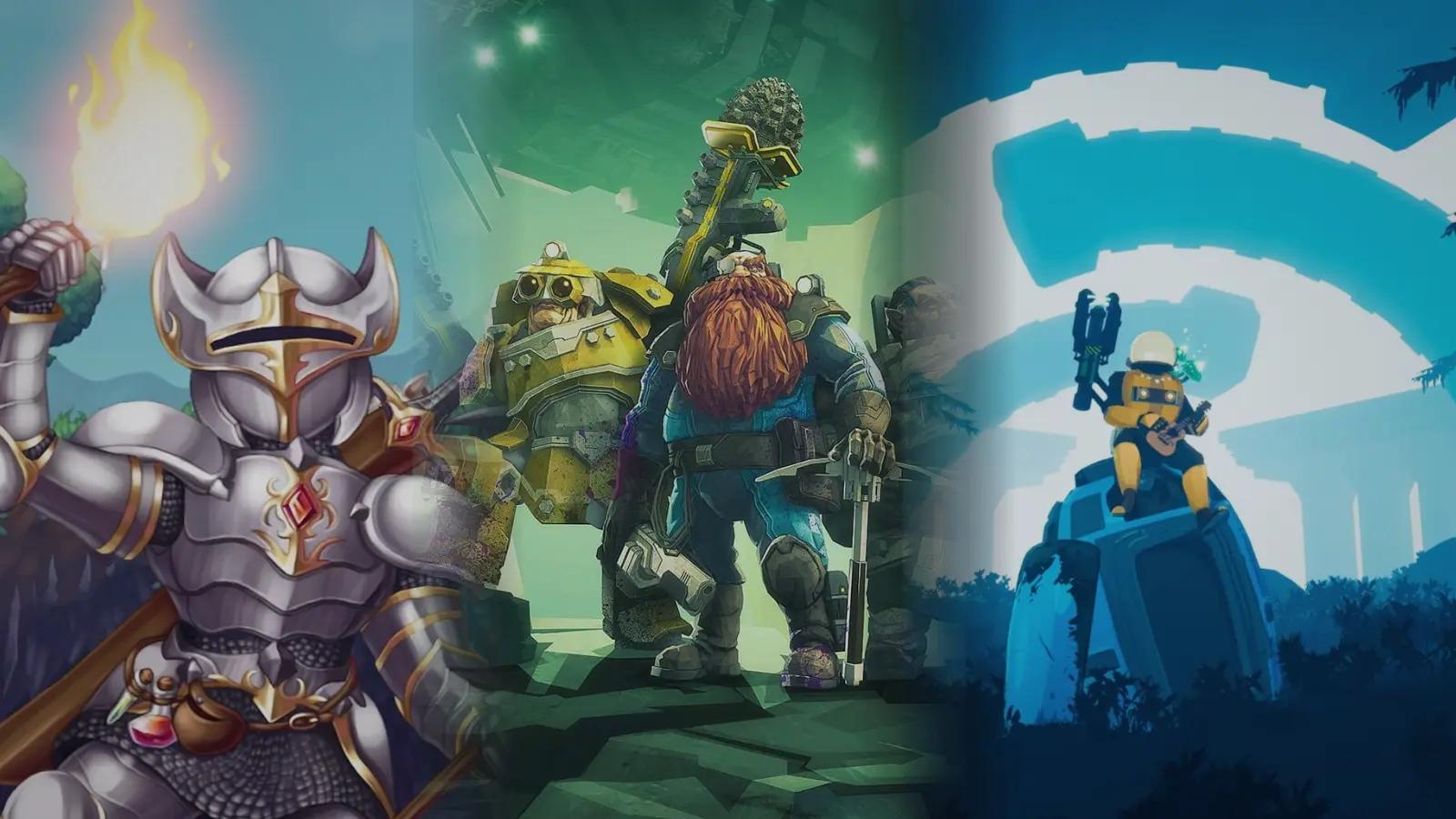

Most of my co-op hours over the last few years have gone to games nobody at a big publisher greenlit. Deep Rock Galactic, Stardew Valley, Overcooked, games built by small teams who clearly cared about the people playing them together rather than the metrics behind it. That's the pull of indie co-op: less padding, more intent, and teams small enough that you can feel a single deliberate decision behind almost every system.
I scored every pick on co-op quality and overall game quality first, then weighed distinctiveness, accessibility, and replay depth behind that. If teamwork wasn't the actual point, it didn't make the list.
For the broader picture on indie gaming, see my Best Indie Games of All Time guide. This article narrows in on the ones worth playing with someone else.
Quick Picks
Best for online squad nights: Deep Rock Galactic
Best for cozy couples: Stardew Valley
Best for LAN party chaos: Overcooked! 2
Best for a weekly co-op habit: PlateUp!
Best for build-crafting duos: Risk of Rain 2
The Top 10 Best Indie Co-Op Games
These ten cover the full range, from four-player mining runs to two-player farm building, and every one treats co-op as the reason to play rather than an afterthought.
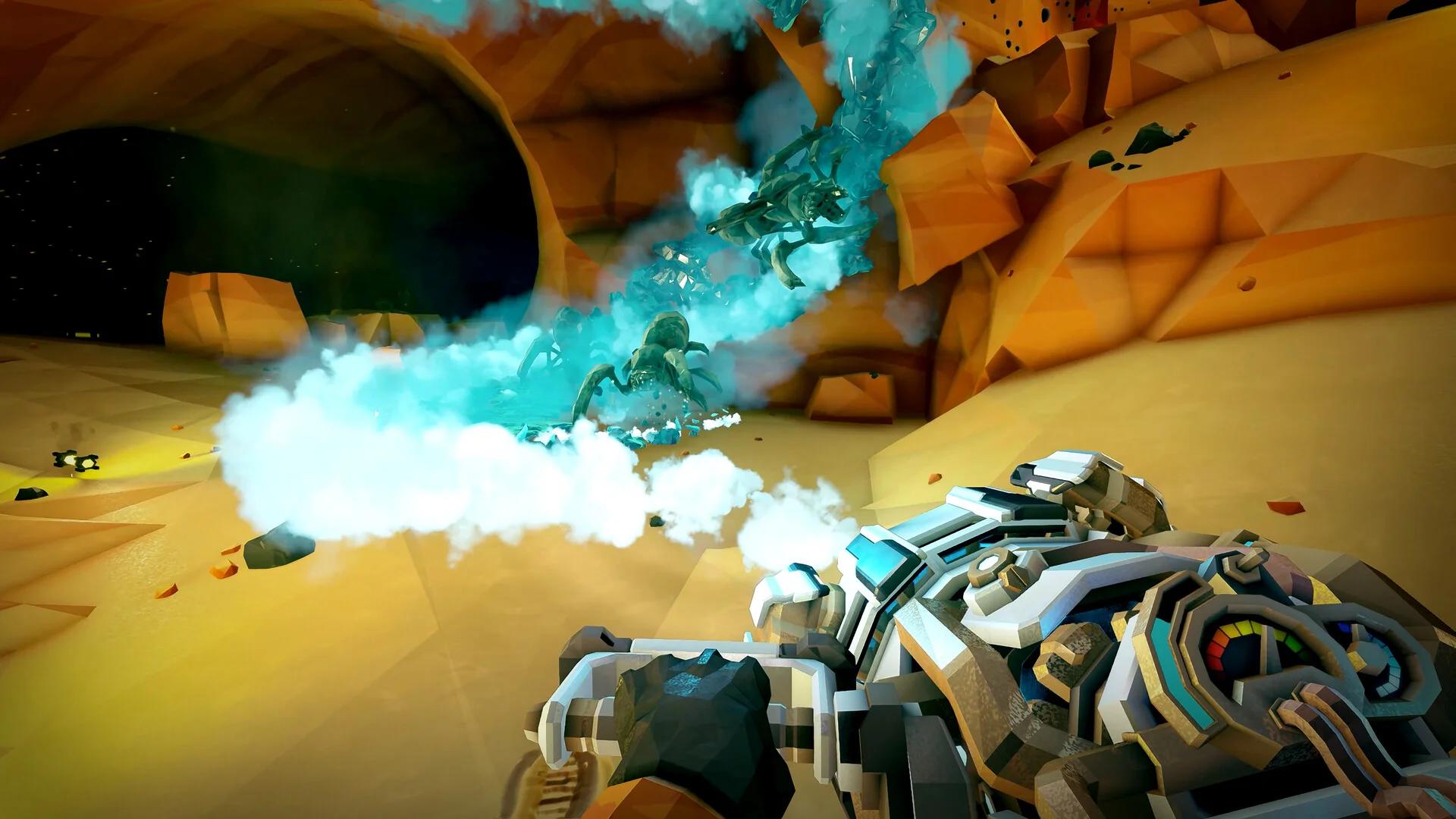
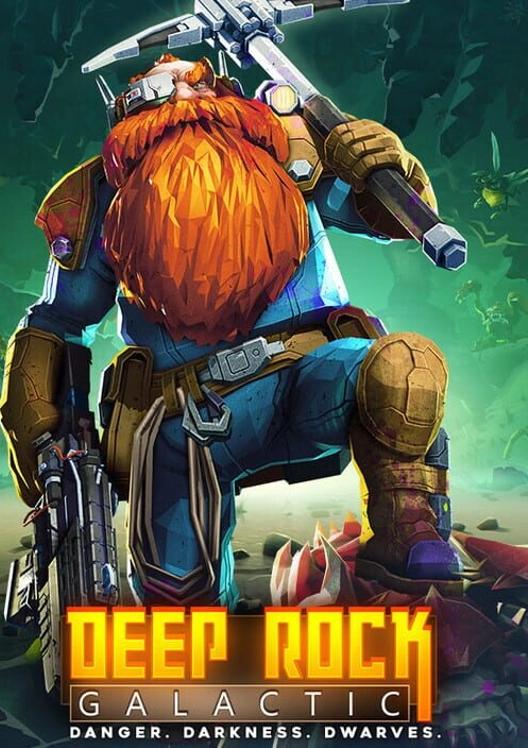
I've logged more hours in Deep Rock Galactic with my regular group than I'd like to admit, headset on, someone always forgetting the flare gun. It sits in the same lane as our Helldivers 2 habit: four classes, procedural caves, objectives that need a Driller cutting a path while a Gunner holds the line. That's teamwork as a practical requirement, not a suggestion. Drop-in support means nobody has to sit out if they join late. For the budget behind it, the quality genuinely holds up against games with ten times the money, which is rare. It takes a session or two before the classes click, so don't judge it on your first cave.
- Released
- 20202020
- Genre
- ShooterShooter
- Platforms
- PC, PS4, PS5, Xbox One, Series X|SPC, PlayStation 4, PlayStation 5, Xbox One, Xbox Series X/S
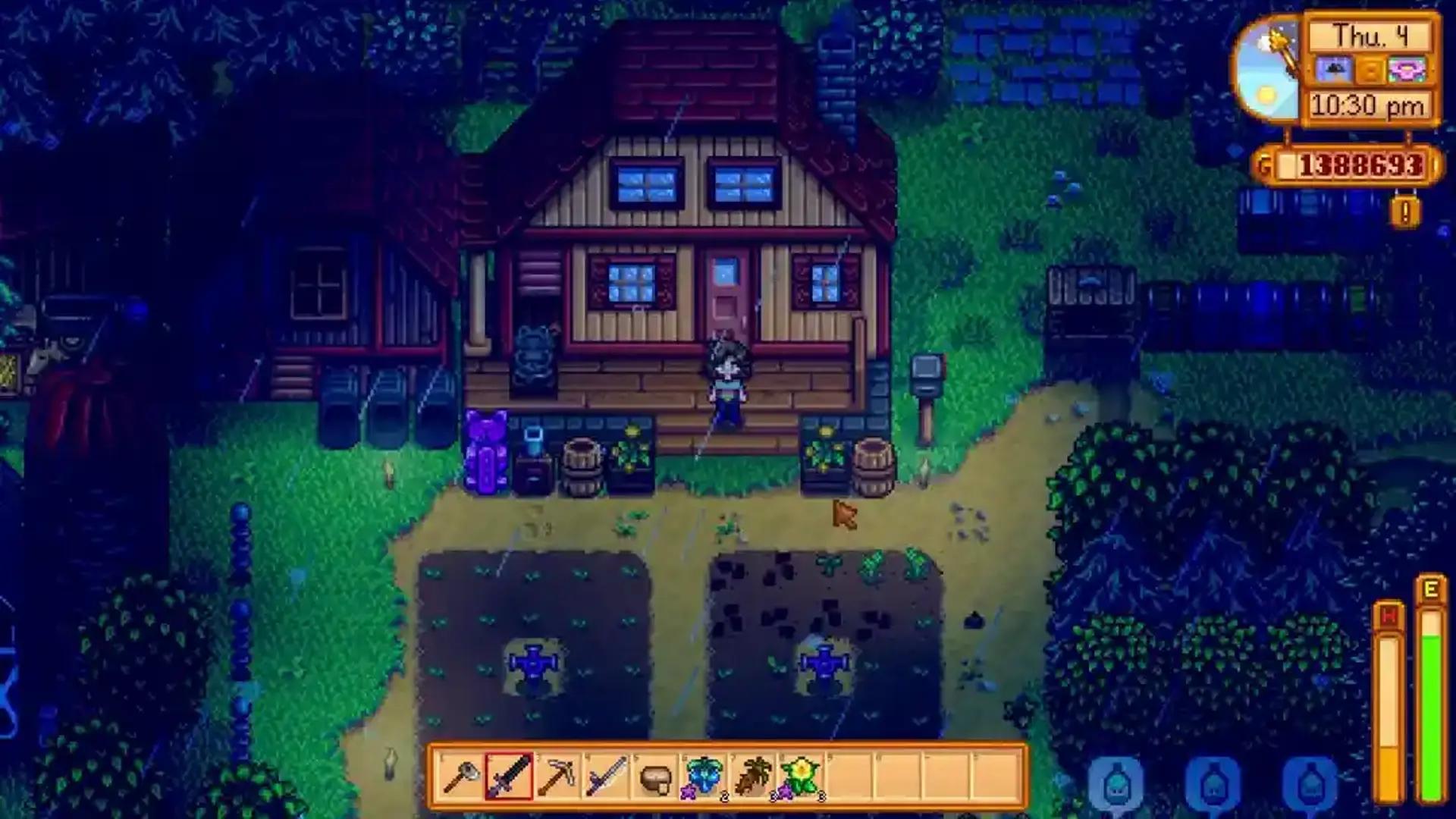
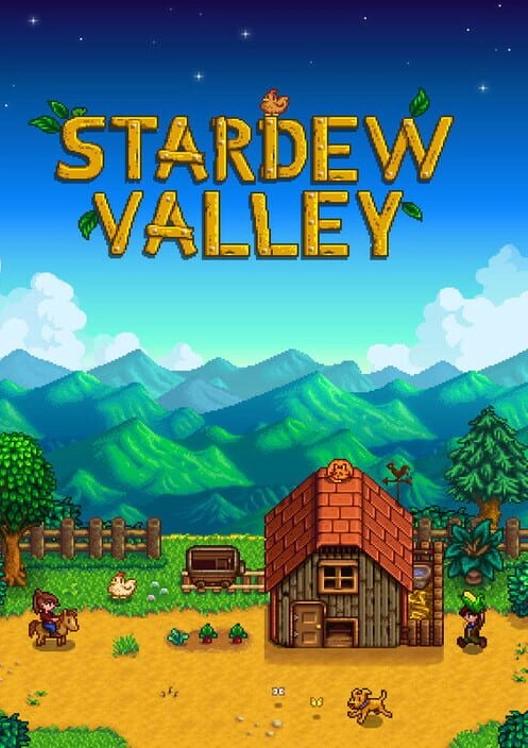
My wife and I have a farm going in Stardew Valley, the same low-key way we ran our Animal Crossing island: check in most evenings, plant something, go to bed. It's proof that co-op doesn't need urgency to work. Farming, mining, and the slow seasonal calendar all just work better with someone else pulling a shift, and the game never rushes you toward it. What still gets me is that one person built all of this. ConcernedApe made the whole thing solo, and knowing that changes how you look at the seasonal music, the villager dialogue, the little details nobody had to include. Co-op was added after launch, so it's not quite as tight as games built around it from day one. It barely shows.
- Released
- 20162016
- Genre
- RPGRPG
- Platforms
- Android, iOS, Linux, macOS, PC, PS4, Switch, Switch 2, Xbox OneAndroid, iOS, Linux, macOS, PC, PlayStation 4, Nintendo Switch, Nintendo Switch 2, Xbox One
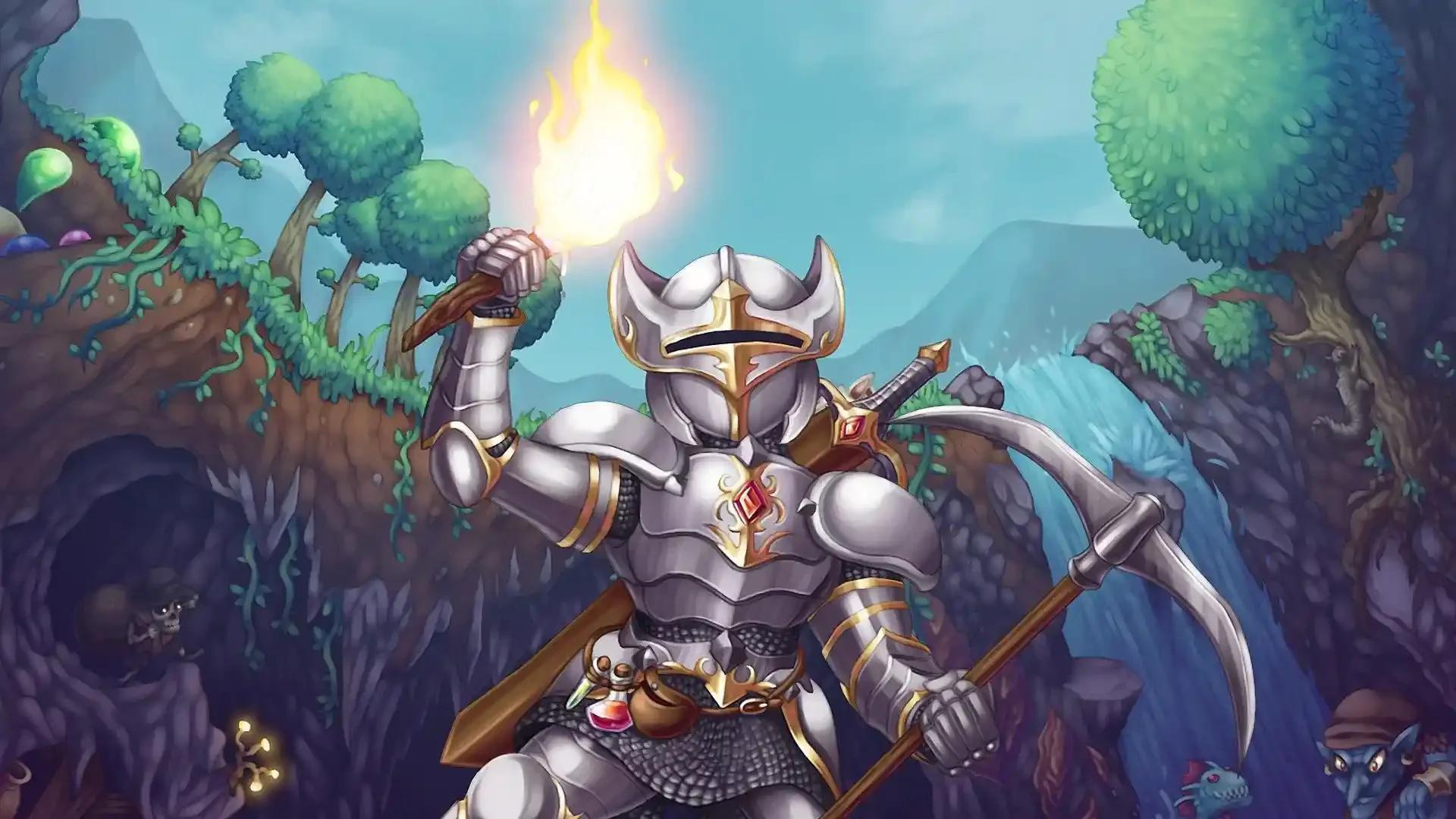
Terraria is technically still indie, though it barely feels like it anymore, built by one person and still one of the deepest shared worlds in gaming. My LAN group has tried folding it into rotation nights since it runs on basically any laptop, non-gaming hardware included, which matters more to us than people probably realize. The first couple of hours are aimless. You dig around without a plan and wonder what the point is. Once someone builds a proper base and finds the grappling hook, the group starts coordinating boss fights and it clicks hard. Eight-player support means it scales past a normal couch group into genuine LAN territory, and there's still content in here I haven't touched after years of dipping in.
- Released
- 20112011
- Genre
- PlatformerPlatformer
- Platforms
- Android, iOS, Linux, macOS, PC, PS4, Switch, Xbox OneAndroid, iOS, Linux, macOS, PC, PlayStation 4, Nintendo Switch, Xbox One
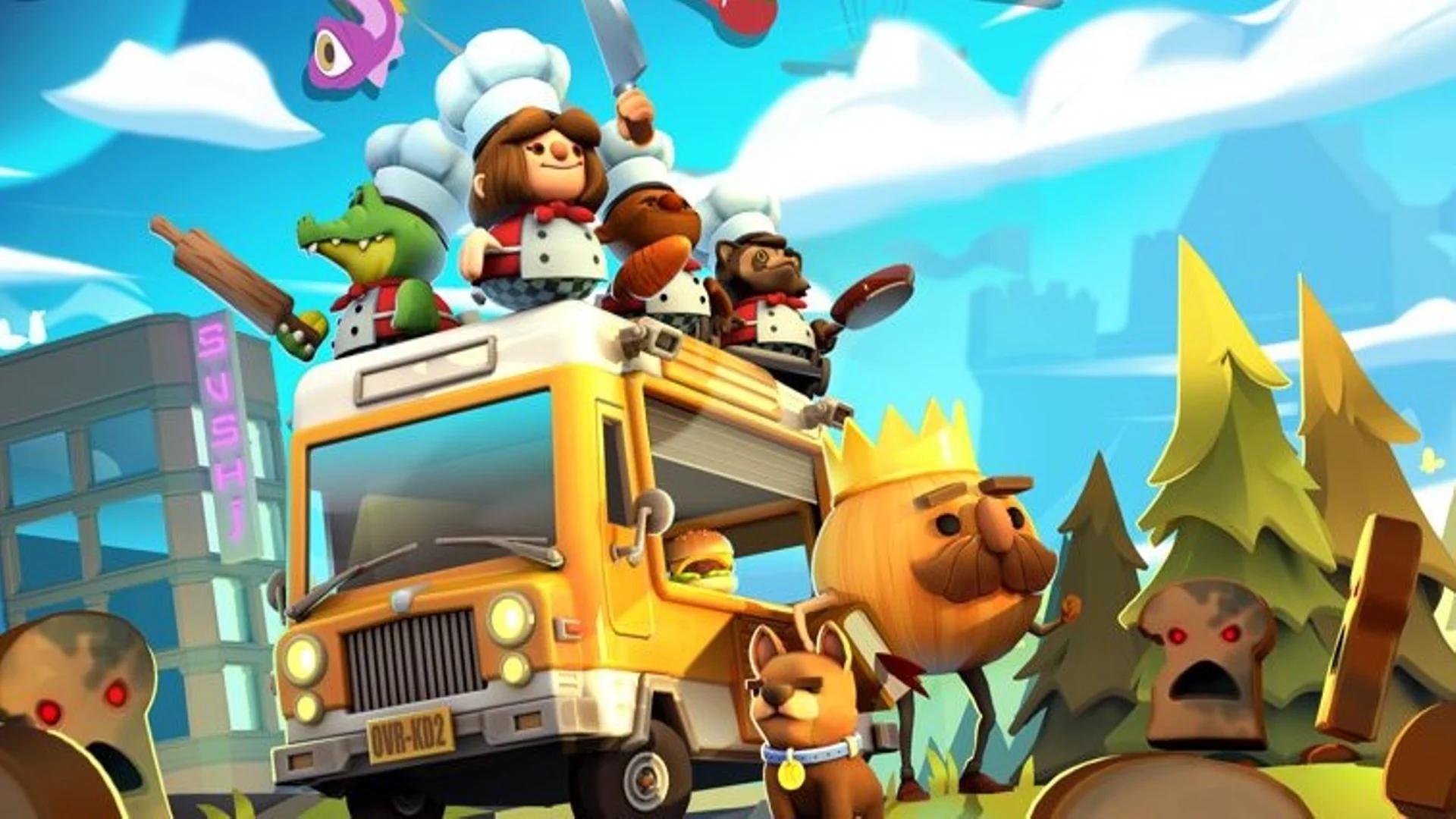
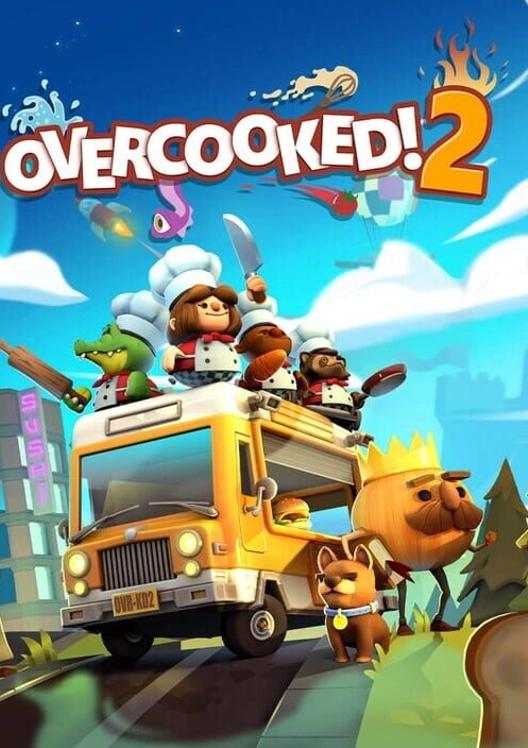
Overcooked is a fixture at our LAN nights, the game we load up when somebody's laptop can't handle anything heavier and we still want noise. The sequel added throwing, which sounds minor until you're lobbing tomatoes across a moving kitchen while three people yell directions at once. Communication failure is the actual gameplay loop, and recovering from it, mid-panic, is where the fun lives. It supports online play, but I've never bothered. This is a same-room game for me. The stage gimmicks keep every level from feeling like a repeat of the last one, though a full run won't take more than a weekend. Nothing else on this list gets a group playing within thirty seconds.
- Released
- 20182018
- Genre
- SimulationSimulation
- Platforms
- Linux, macOS, PC, PS4, Switch, Switch 2, Xbox OneLinux, macOS, PC, PlayStation 4, Nintendo Switch, Nintendo Switch 2, Xbox One
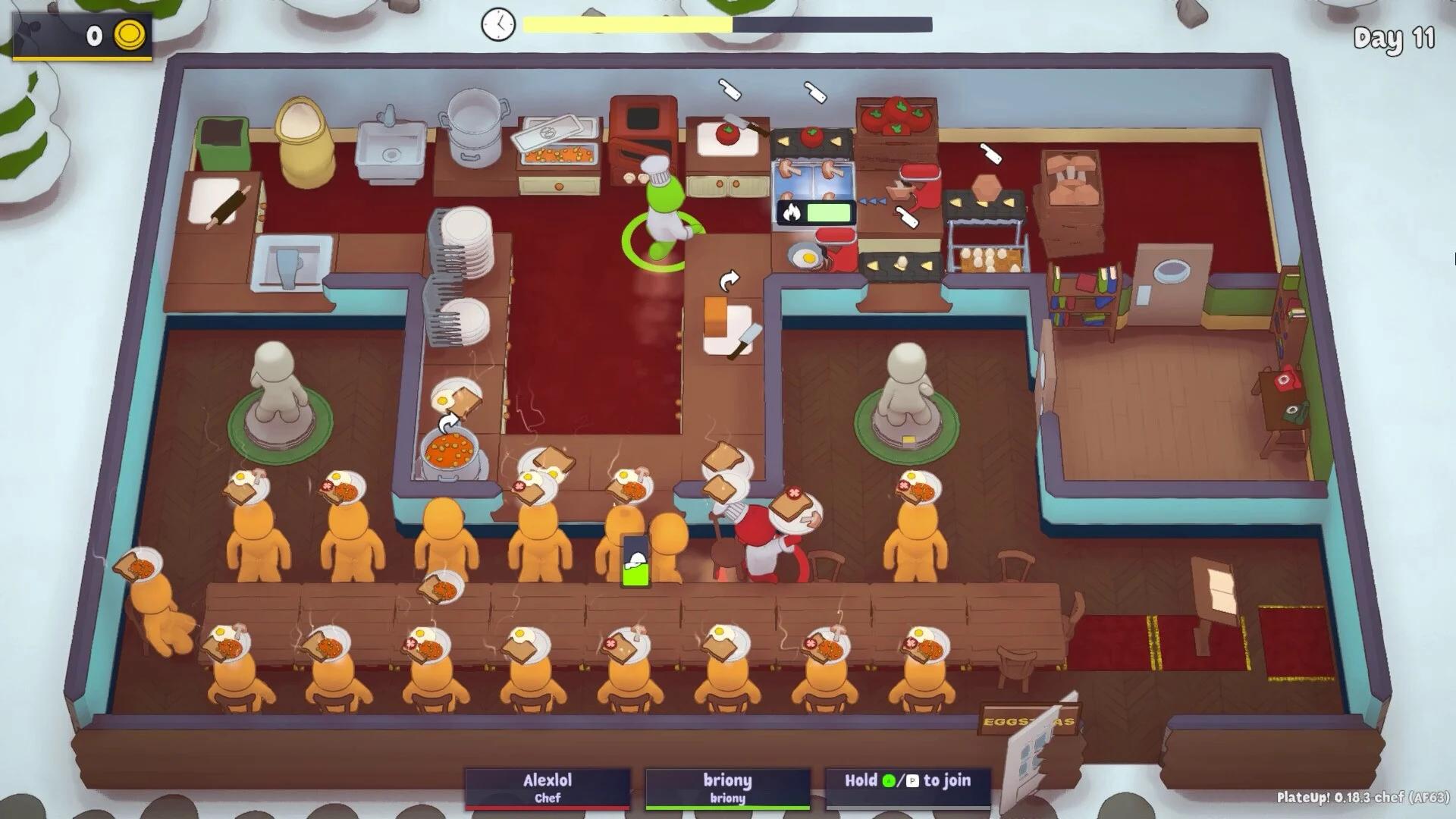
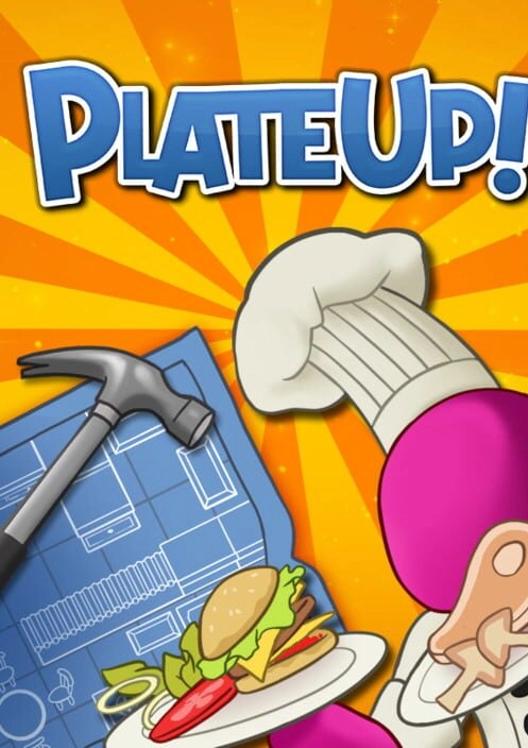
PlateUp! is what I'd bring out after Overcooked once the group wants something with actual strategy behind the panic. You're still running a kitchen under pressure, but between days you decide what to build and where, and a bad call bottlenecks the whole group next shift. That planning layer is what separates it from being just another Overcooked clone. It scales well for four, works locally or online, and the roguelite upgrades give it legs Overcooked never had past its final level. My one gripe: difficulty spikes fast once you're past the early days, and an inattentive group gets wiped by a rush nobody saw coming. Worth pairing with Overcooked, not replacing it.
- Released
- 20222022
- Genre
- SimulationSimulation
- Platforms
- PC, PS4, PS5, Switch, Xbox One, Series X|SPC, PlayStation 4, PlayStation 5, Nintendo Switch, Xbox One, Xbox Series X/S
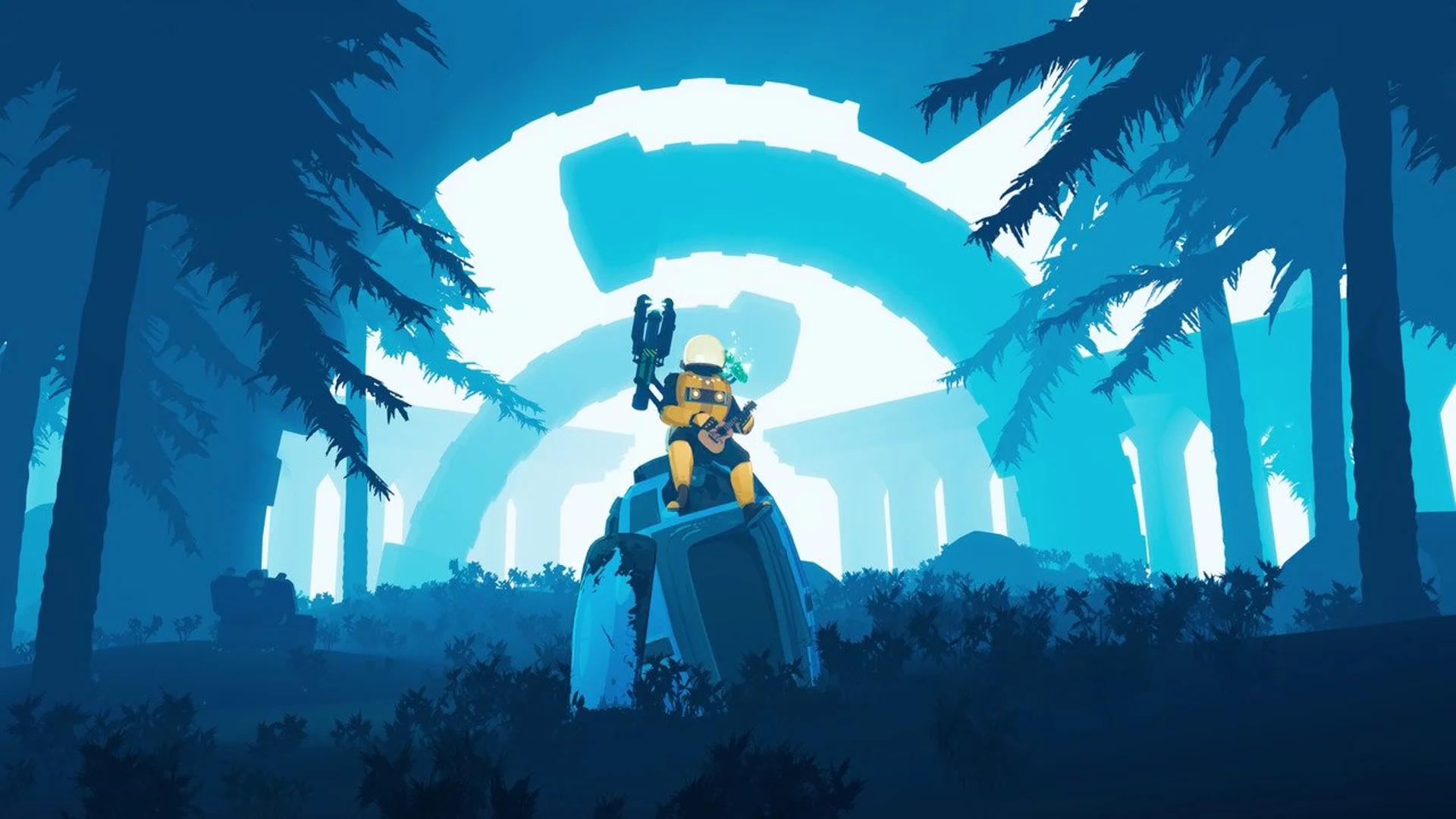
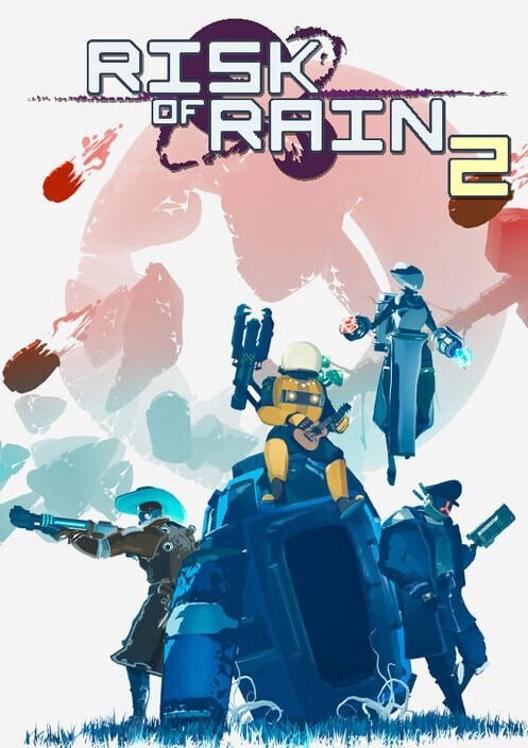
I never finished this one solo, but three friends on voice chat turned Risk of Rain 2's escalating late-game chaos into a shared problem instead of a personal grind. Every run is a scramble for items before the timer outpaces your build, and figuring out who's tanking, who's kiting, and who forgot their loadout is most of the fun. It's less forgiving than most games on this list. New players will die constantly in their first few runs and won't understand why, and there's a real information wall around item synergies that the game never explains. Once it clicks, the replay value is enormous, run after run, no two builds alike.
- Released
- 20202020
- Genre
- ShooterShooter
- Platforms
- PC, PS4, PS5, Switch, Xbox One, Series X|SPC, PlayStation 4, PlayStation 5, Nintendo Switch, Xbox One, Xbox Series X/S

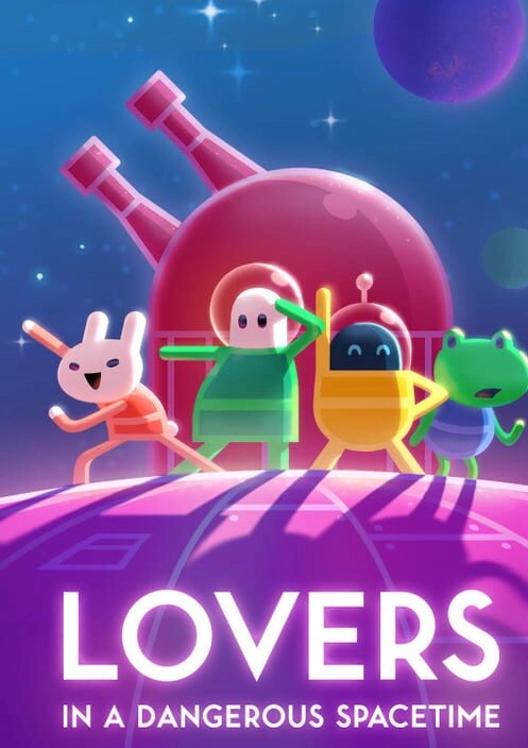
This is one of the few games here I'd trust with my wife for a co-op evening. Everything happens on one shared screen, and the panic comes from being in the same room, not headset callouts. You're both crammed into one ship, sprinting between guns, shields, and the engine, and when it clicks it feels like piloting a machine with four hands instead of two. Nothing else here captures that kind of physical teamwork, swapping seats mid-crisis, and almost nobody has copied it since. The catch: it's local-only. By 2026 that limits who you can actually play it with. With a person in the room, though, it's one of the most distinctive co-op designs indie games have made.
- Released
- 20152015
- Genre
- ShooterShooter
- Platforms
- Linux, macOS, PC, PS4, Switch, Xbox OneLinux, macOS, PC, PlayStation 4, Nintendo Switch, Xbox One
If your LAN group runs modest laptops instead of gaming rigs, check out our Best Indie Games for Low-End PCs guide for picks beyond co-op that will actually run.
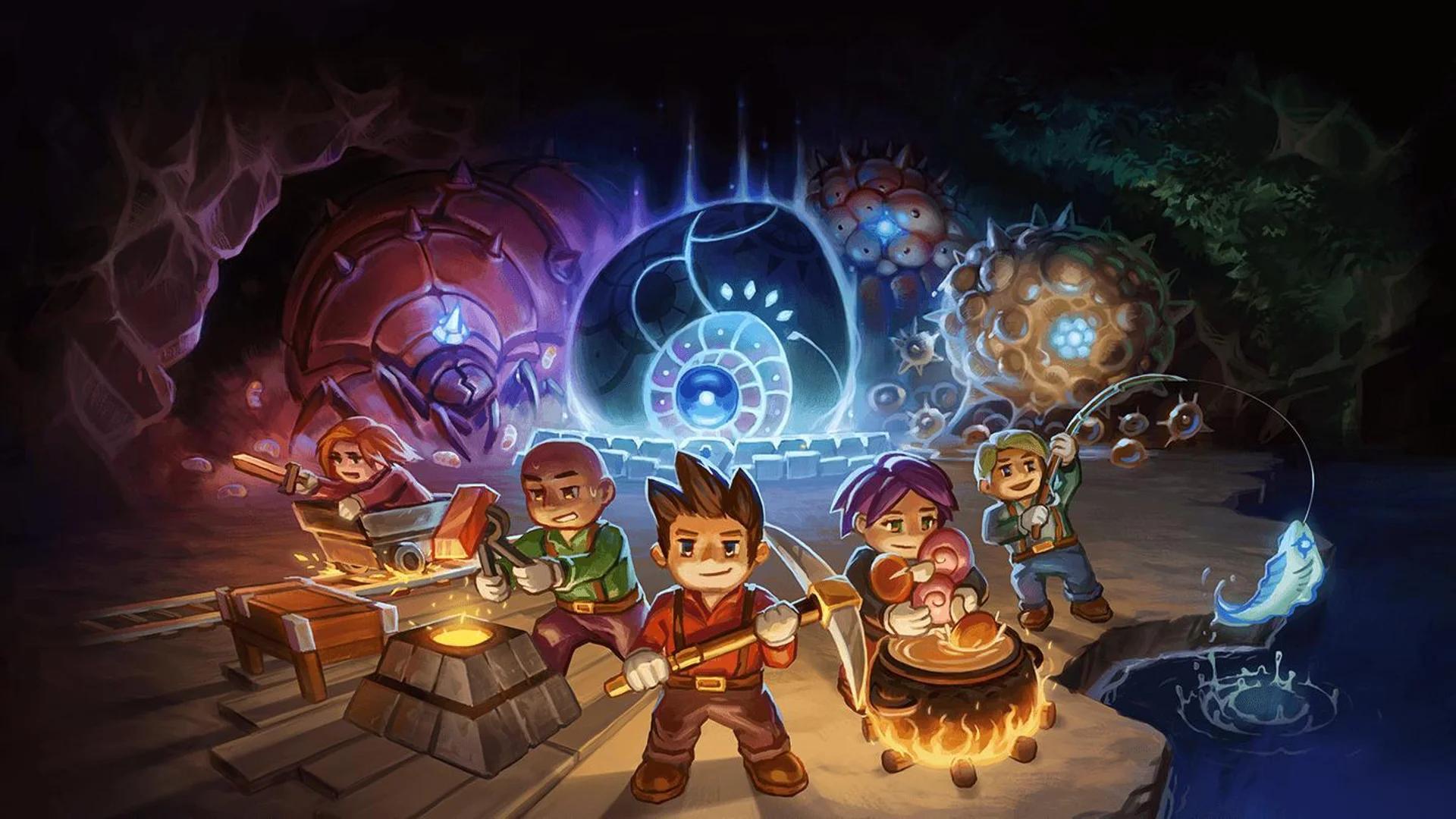
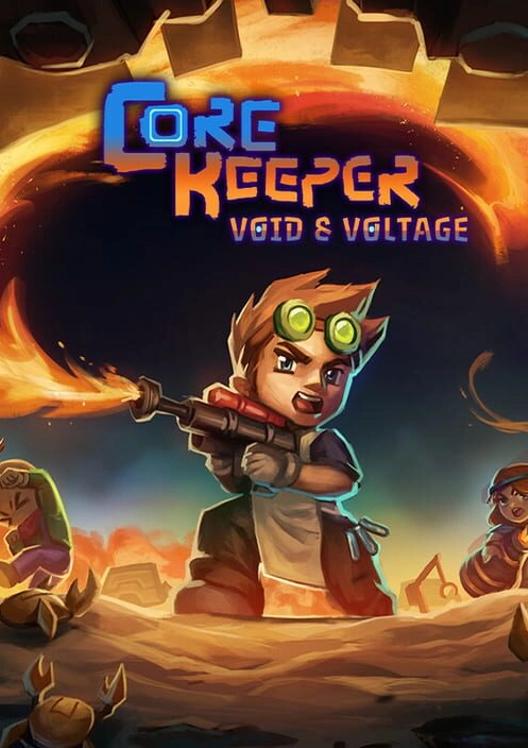
Core Keeper gets pitched as 'Terraria but underground.' The comparison is fair, but it's not just a clone. The scale is tighter, the biomes denser, and the boss fights are built with a group in mind from the start rather than bolted on. My LAN group hasn't adopted it the way we have Terraria, mostly habit rather than any real flaw, but online sessions felt more focused: less wandering, clearer direction toward the next boss. It supports up to eight players, more than most groups will ever use, and the shared base-building gives it the same long-tail appeal as its inspiration. It's a strong pick if your group already knows Terraria and wants something with a clearer sense of direction.
- Released
- 20242024
- Genre
- RPGRPG
- Platforms
- Linux, PC, PS4, PS5, Switch, Switch 2, Xbox One, Series X|SLinux, PC, PlayStation 4, PlayStation 5, Nintendo Switch, Nintendo Switch 2, Xbox One, Xbox Series X/S
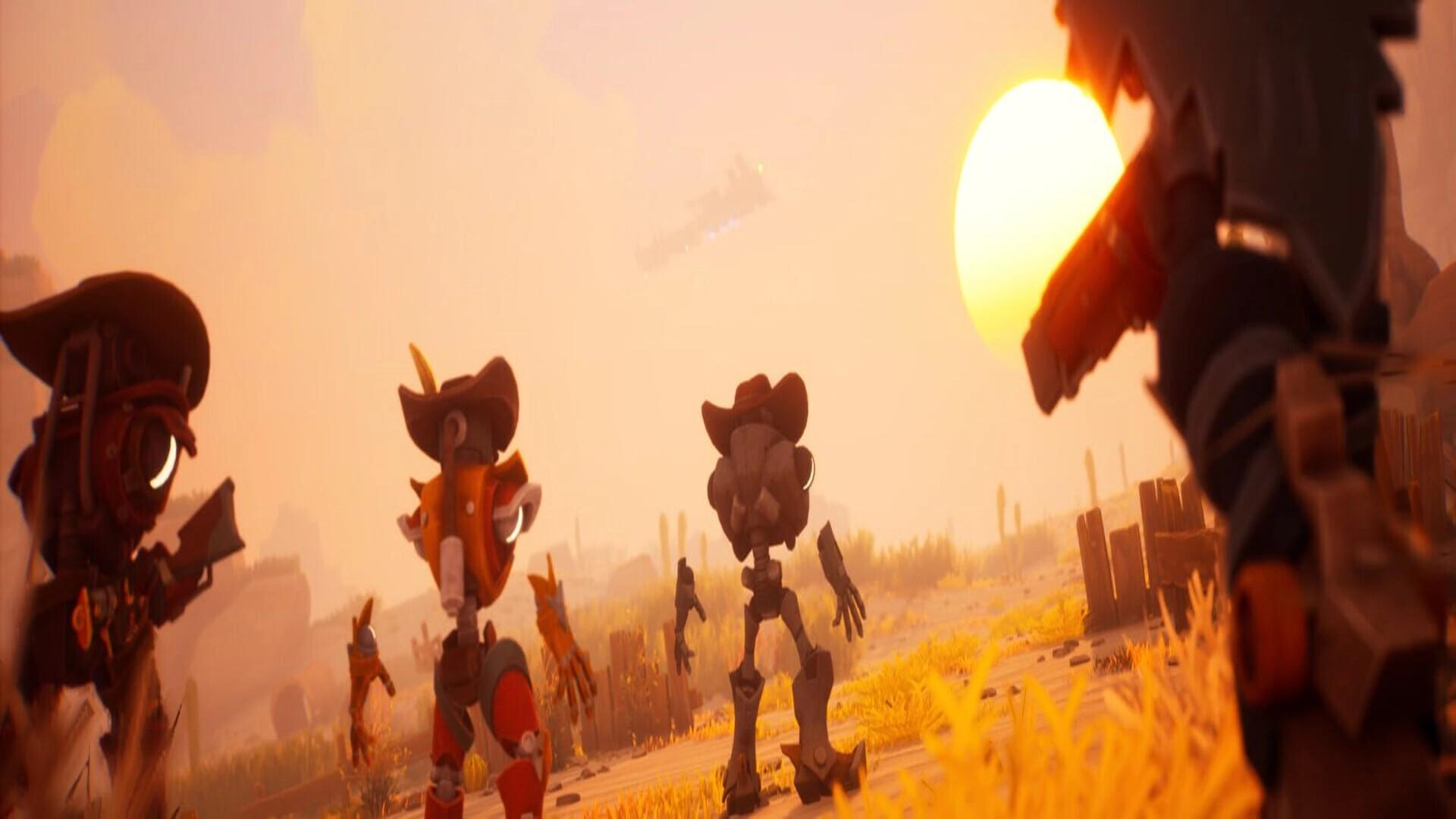
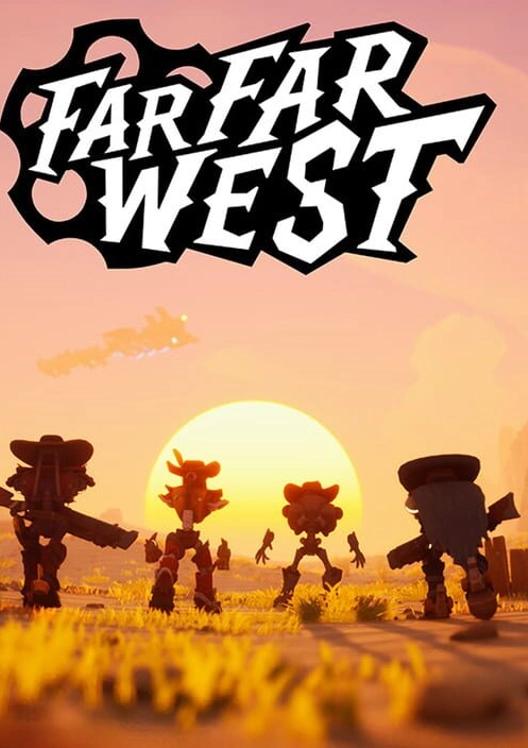
Far Far West is the newest game here, and early access shows: some missions feel thinner than others, balance still shifting patch to patch. I've followed its patch notes more closely than I usually bother to, mostly because the Deep Rock Galactic comparisons kept coming up in my group's chat. What's there already is a genuinely distinct co-op shooter, robot cowboys running bounty hunts across a wasteland, built around the same kind of role coordination. Four players, PvE missions, no room for splitting up. It's not as polished as the games ranked above it, and it won't be for everyone while it's still finding its final shape. If the Deep Rock Galactic pitch appeals but you want something newer, this is worth a look now.
- Released
- 20262026
- Genre
- ShooterShooter
- Platforms
- PCPC
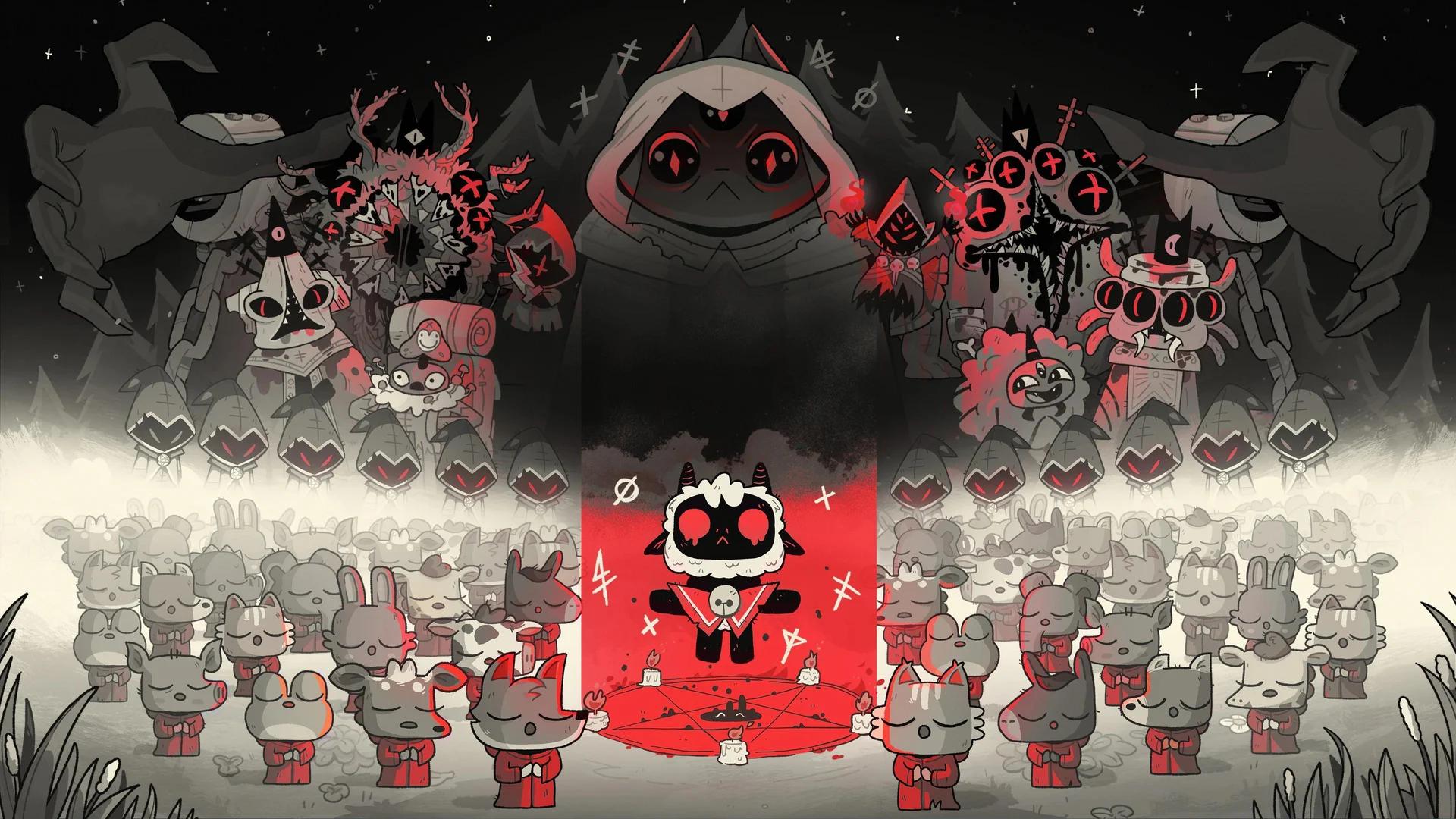
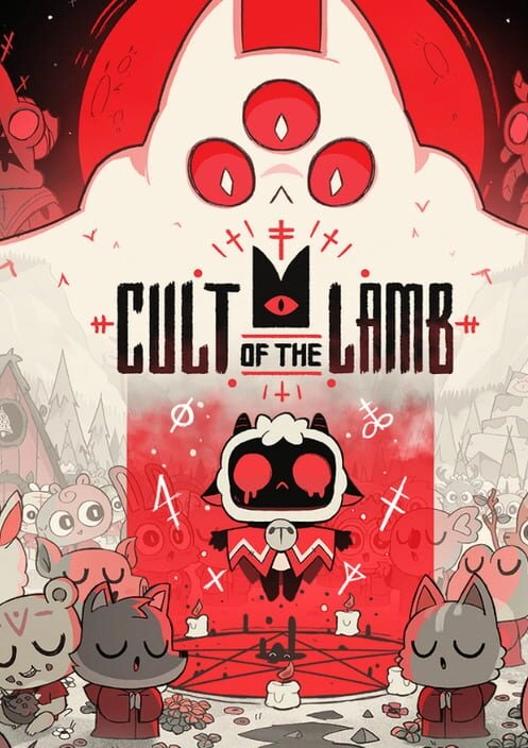
I never felt what Spiritfarer wanted me to feel, but Cult of the Lamb solves a problem that game never had: a real reason to bring someone else along. The local co-op update lets a second player join the combat and base management, running the cult's day-to-day while you handle the roguelite dungeon runs, or splitting duties however you like. It's easily the most visually distinct game on this list, unsettling and cute in a way that shouldn't work and does. Co-op here is optional, added after launch rather than designed in from day one, and the systems still assume a single player is in charge. Still worth having around.
- Released
- 20222022
- Genre
- RPGRPG
- Platforms
- macOS, PC, PS4, PS5, Switch, Xbox One, Series X|SmacOS, PC, PlayStation 4, PlayStation 5, Nintendo Switch, Xbox One, Xbox Series X/S
Honorable Mentions
These five didn't crack the ranked list, mostly on technicalities or timing, but each is worth a look depending on your group.
My kids ask for Minecraft more than anything else in the house, and it's still one of the best shared-world co-op games ever made, sandbox building, survival, and exploration that scales from two people to a full server. The reason it's not ranked is straightforward: it started as one guy's indie project, but by 2026 it's owned by a platform holder with the reach of a AAA publisher, and that's a different category than everything else on this list. If you're looking purely for the best co-op experience regardless of pedigree, it's still near the top. For a strictly indie list, it doesn't qualify anymore.
I didn't clock this as an indie game until I checked who actually made it, and that surprise is basically the reason it's on this list at all. It plays like a proper arcade brawler should: pick a turtle, mash through waves of Foot Clan goons, and let the combos take care of themselves. Up to six players can join, which makes it one of the few games here that can absorb a full LAN table without anyone sitting out. It doesn't have the depth of the ranked entries. Runs are short and the structure barely changes level to level, but for pure pickup-and-play group energy, it's hard to beat.
13. Repo
82%R.E.P.O. is the one honorable mention I'd genuinely put on voice chat before anything else on this list, because half the panic comes from someone shouting instructions while a ragdolled teammate gets dragged through a doorway by something none of you can see properly. It's extraction horror played mostly for laughs, physics-based hauling under time pressure with a monster that punishes noise. The horror-comedy tone is something nothing else here really offers. It's newer and more trend-driven than the ranked picks, and I'd want to see it hold a playerbase for another year before ranking it properly, but right now it's a surprise hit worth trying with a group that already knows each other.
Ship of Fools is built entirely around two people running one boat, someone steering and shooting while the other manages cargo, repairs, and whatever the sea throws at the hull. It's a tighter, more intense version of the coordination Lovers in a Dangerous Spacetime asks for, just scaled down to a pair instead of a crew. I'd recommend it to any couple looking for something with more bite than Overcooked but without Risk of Rain 2's learning curve. It doesn't have the polish or content depth of the top ten, and runs start to feel similar after a few sessions, but as a purpose-built two-player roguelite it's a solid alternative once you've worked through the higher picks.
Unrailed! is the game I'd hand to a mixed group that includes someone who barely games at all, because the rule is simple: keep laying track, keep the train moving, don't let anyone fall behind. Everyone chops wood, mines ore, or builds rail, and the panic escalates gradually enough that new players catch up fast. It's not going to hold a dedicated group's attention for dozens of sessions the way Terraria or Core Keeper will. Content depth is its weak point. But for a short, loud, all-ages session before or after something heavier, it does exactly what it's built for.
Frequently Asked Questions
A few things that come up whenever this list gets shared around a group chat.
What actually counts as an indie co-op game here?
Small or independent studio production, and cooperative play that's central to why you'd recommend it rather than a bolted-on side mode. A few picks, like Stardew Valley, added co-op after launch, but it changed how the game is played rather than sitting off to the side.
Do any of these work for a non-gamer partner?
Stardew Valley and Overcooked! 2 are the easiest onboarding on this list. Both have simple controls and forgiving early hours, which matters more than raw game quality if one player has never held a controller before.
Which of these need a headset to actually work?
Deep Rock Galactic and Risk of Rain 2 genuinely benefit from voice chat once things get chaotic, since callouts matter. Anything local, like Overcooked!, Lovers in a Dangerous Spacetime, or Ship of Fools, works fine without one because you're already in the same room.
Are these games still actively updated?
Most of them, yes. Deep Rock Galactic and PlateUp! both still get regular content drops, Far Far West is in active early access, and Stardew Valley's creator has kept adding to it for years after launch with no sign of stopping.
What's the best starting point for a group new to indie co-op?
Overcooked! 2 for pure pickup-and-play energy, or Stardew Valley if your group wants something slower and less panicked. Both teach their systems within minutes and don't punish a rocky first session.
Conclusion
Ten games, four camps of co-op, and none of them exist just to pad a subscription library. Deep Rock Galactic and Stardew Valley sit at the top for good reason, but the mid-list stuff, PlateUp!, Core Keeper, Cult of the Lamb, is where most groups will find their actual habit.
If fantasy or dungeon-crawling is more your speed, our indie RPG guide covers that ground, and our indie horror picks or free indie Steam list are worth a look too.
Ready for more tailored picks? Try our Recommendations Engine for suggestions that match your play style.