
Co-op gaming for me isn't about winning against someone, it's about winning with them, and which mood I'm in depends on the week. Some nights I want the competitive scramble of a LAN party versus round. Other nights, especially with my wife or kids in the room, I just want to play against the game together, not each other. This list covers the co-op games that earned a spot at the table, across platforms and however many controllers you actually have plugged in.
I scored every pick on cooperative design, overall quality, replay value, and accessibility, with cooperative design weighted heaviest. Anything where multiplayer felt bolted on instead of built in got cut.
Quick Picks
Best for couples new to co-op: It Takes Two
Best for four-player squads: Deep Rock Galactic
Best for endless shared projects: Minecraft
Best for families and quick sessions: Overcooked! All You Can Eat
Best for RPG groups with time to spare: Baldur's Gate 3
The Top 10 Best Co-Op Games in 2026
These ten games make cooperation the point, not an afterthought bolted onto a competitive mode.
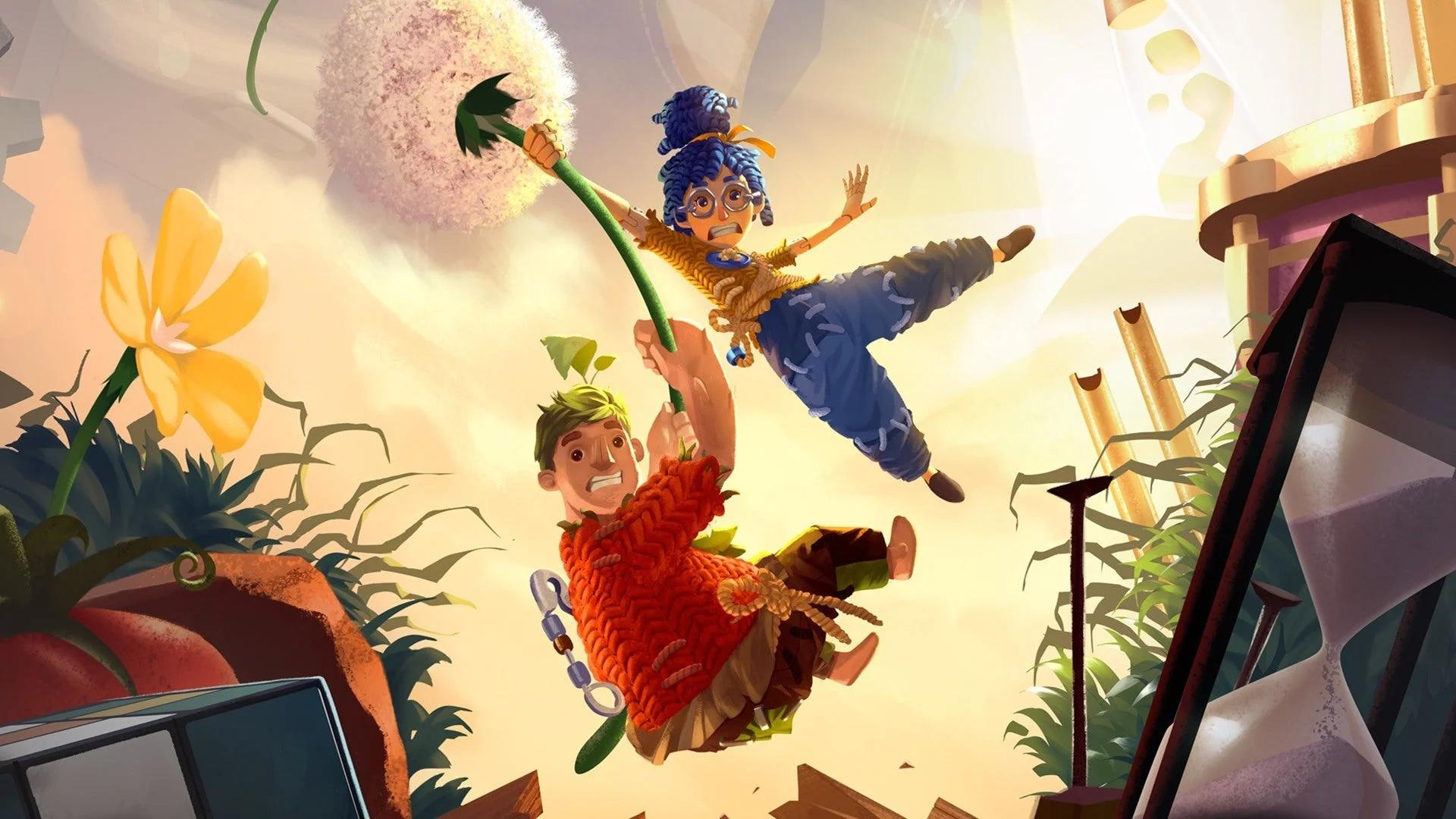
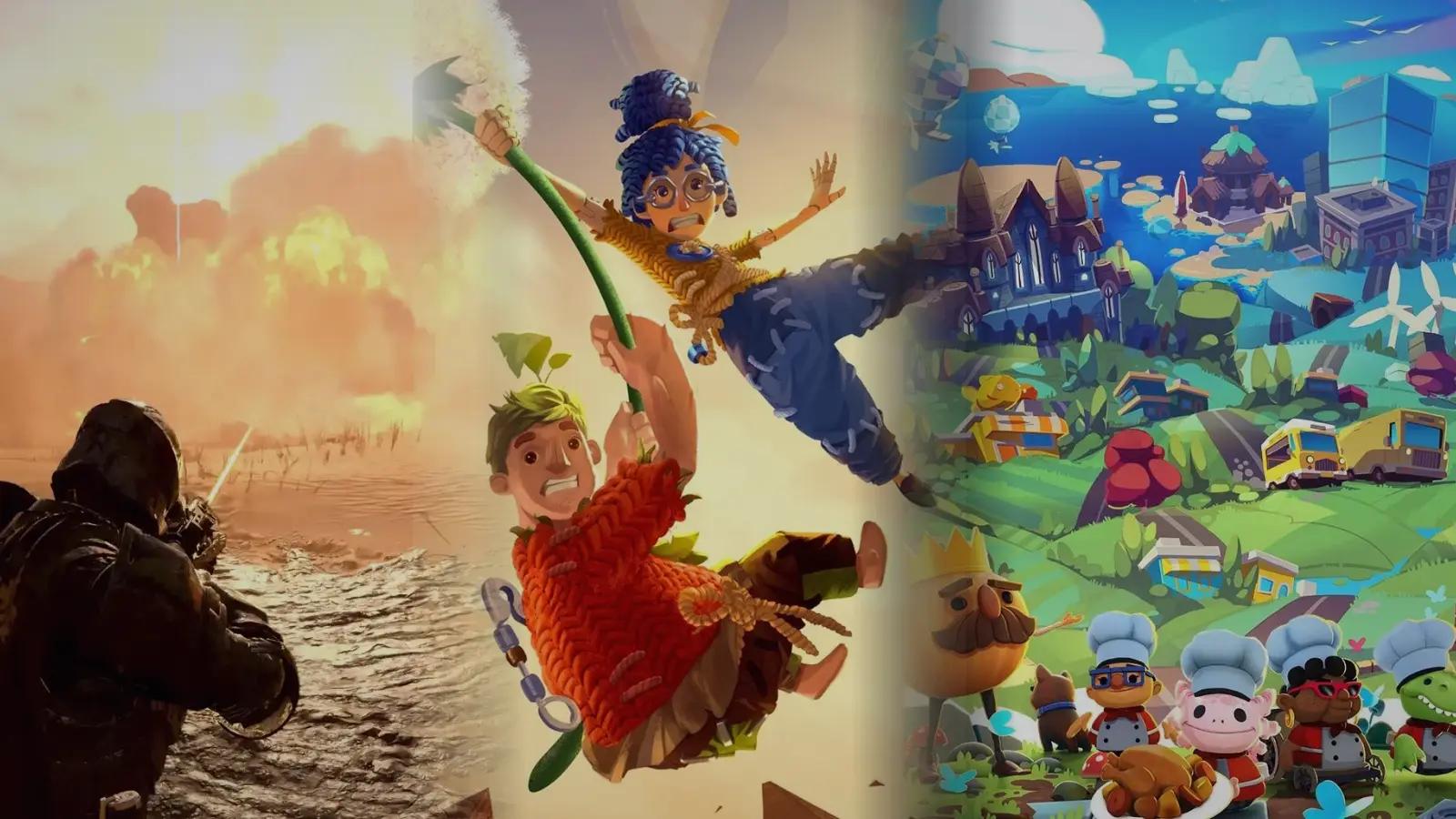
My wife is not a gamer. She played It Takes Two from start to finish with me anyway, and in this house that basically never happens. Credit goes to the design. Every chapter hands you a completely different toolset, swinging a magnet-hammer one hour, piloting a shrunk-down wasp the next, and neither mechanic repeats. That constant reinvention is why the cooperative design here is close to unmatched. It runs local split-screen or online, with a Friend's Pass so only one of you needs to buy it. If you know a couple who don't normally play together, start here. The catch: no solo mode, no scaling past two players, so a group of three or four just watches.
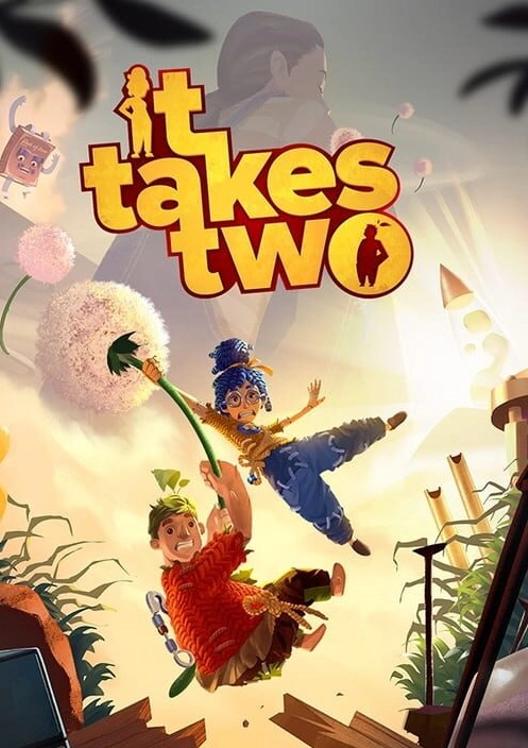
- Released
- 20212021
- Genre
- PlatformerPlatformer
- Platforms
- PC, PS4, PS5, Switch, Xbox One, Series X|SPC, PlayStation 4, PlayStation 5, Nintendo Switch, Xbox One, Xbox Series X/S
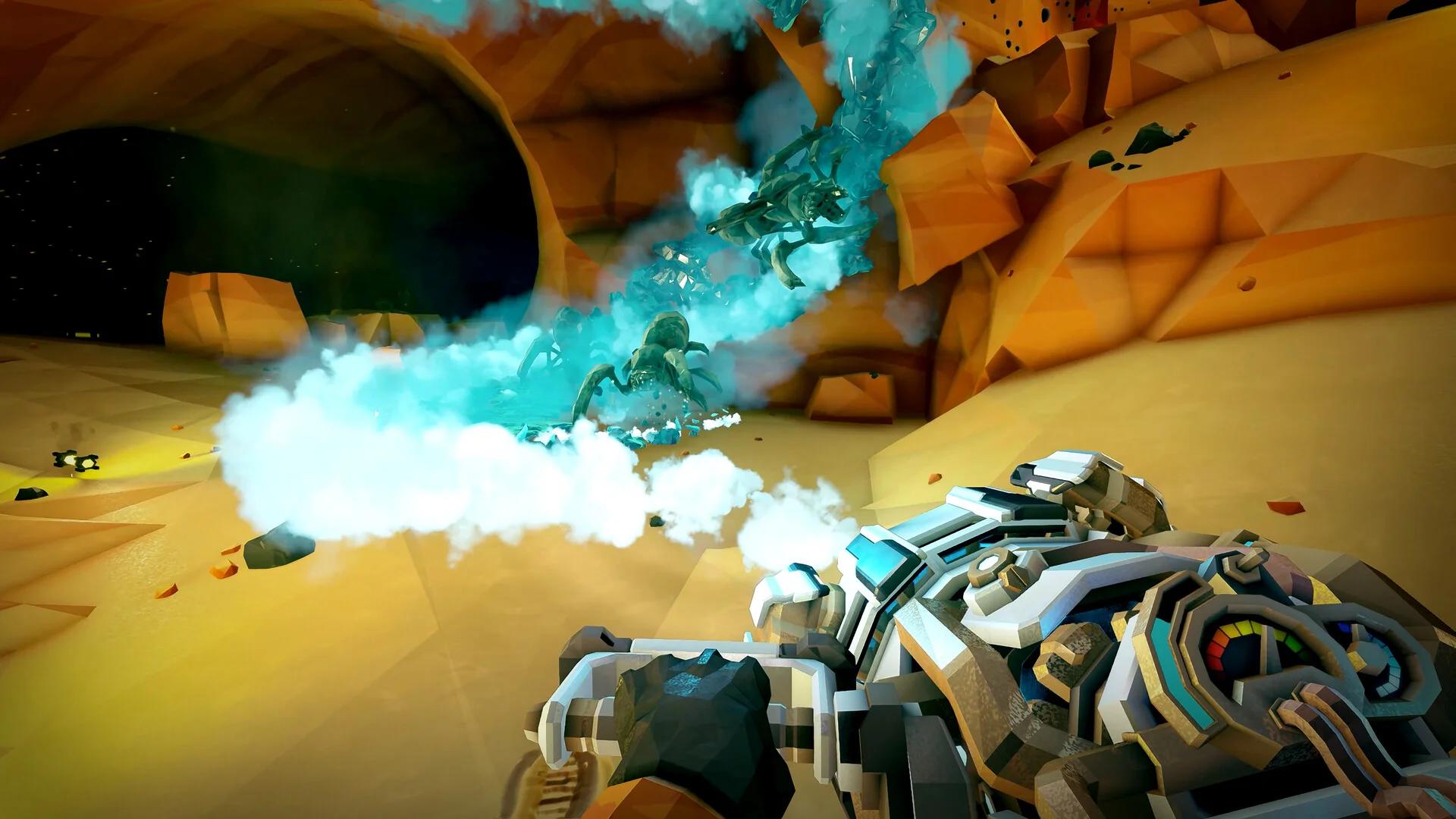
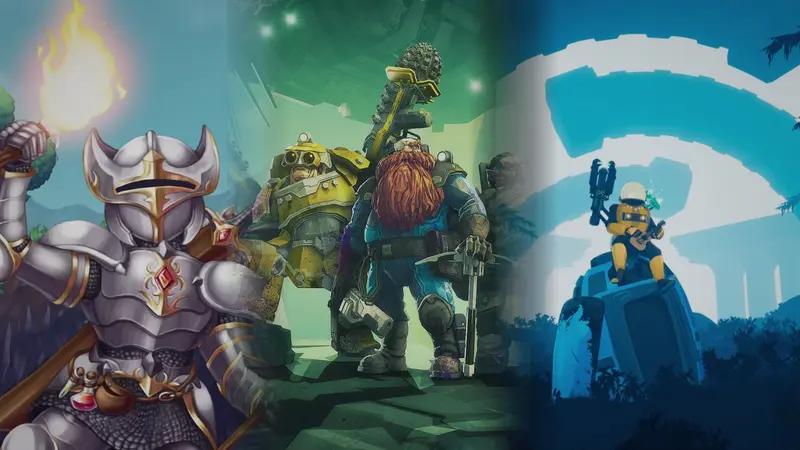
Deep Rock Galactic is what my group plays when Helldivers 2 feels like too much shouting for a weeknight. Same four-player structure, same headset chatter, calmer stakes. Each of the four classes needs the others: someone drills tunnels, someone builds platforms to reach ore forty metres up a cave wall, someone keeps the swarm off everyone's back. Miss a role and the mission stalls fast. Runs last twenty to thirty minutes, which fits an actual school night better than most squad shooters manage. It's online only, so there's no couch option if your group is on one sofa, and the class synergy takes two or three runs to click. Once it does, it's one of the best four-player loops around.
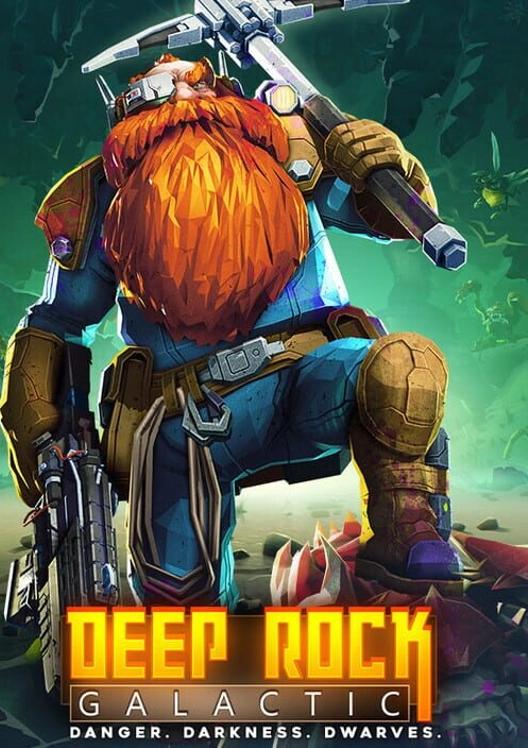
- Released
- 20202020
- Genre
- ShooterShooter
- Platforms
- PC, PS4, PS5, Xbox One, Series X|SPC, PlayStation 4, PlayStation 5, Xbox One, Xbox Series X/S
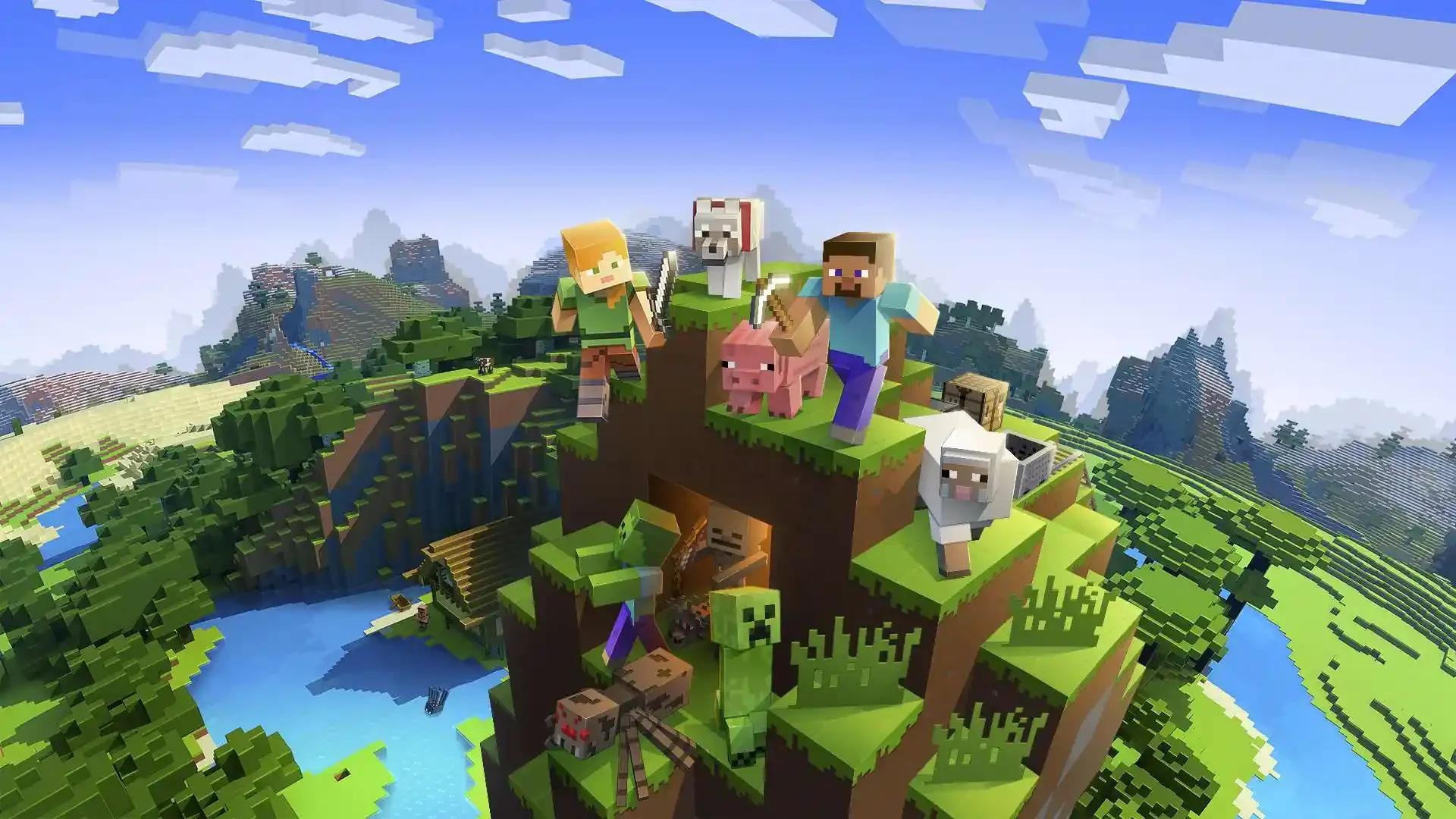
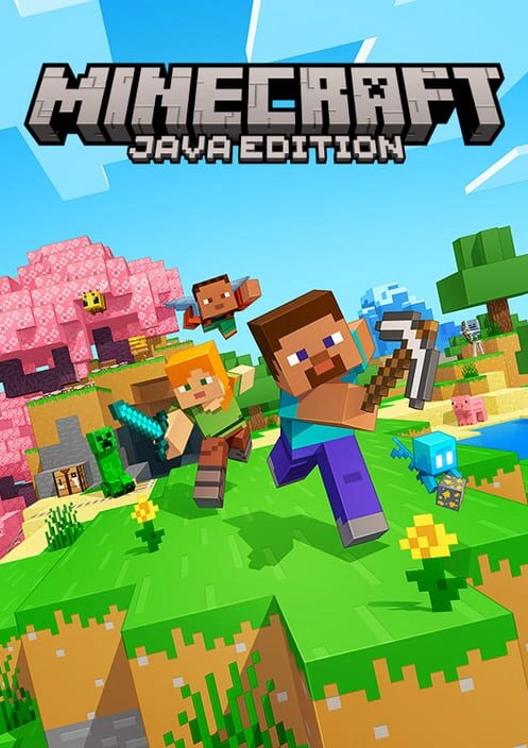
My kids have been asking for a family Minecraft world for two years, and the reason we haven't started is that once it exists, it never really ends. That's sort of the point. There's no authored objective pulling you forward, just whatever the group decides matters this week: a base, a mob farm, a roller coaster nobody asked for. It scales from two players to eight, and it runs across nearly every platform a family is likely to own between them, which matters more than any single feature when four different consoles need to land in one world. Cooperation here is optional, though, not designed in. A distracted group can wander off and build alone in the same world without ever really playing together.
- Released
- 20112011
- Genre
- SimulationSimulation
- Platforms
- Linux, macOS, PCLinux, macOS, PC
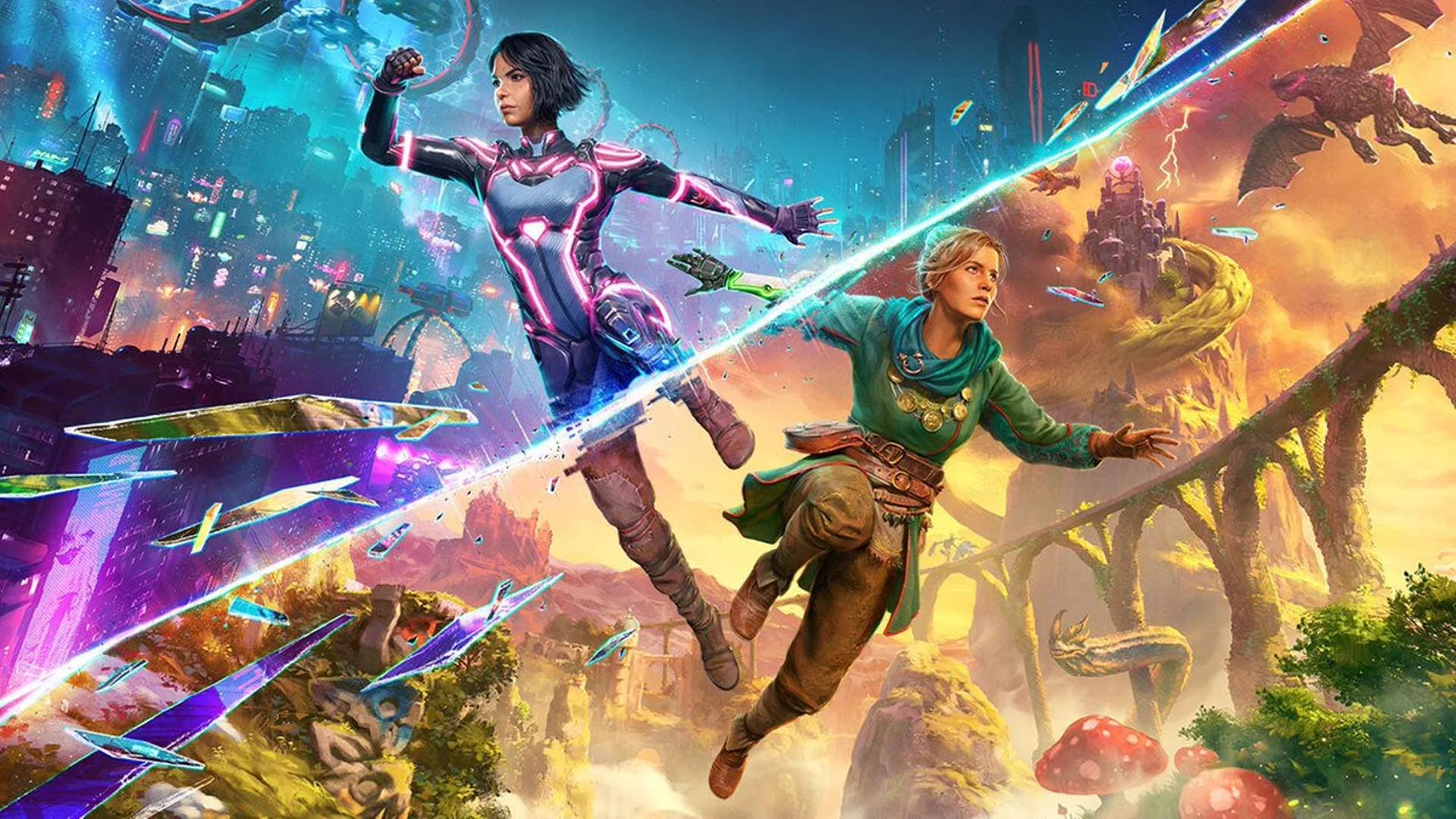
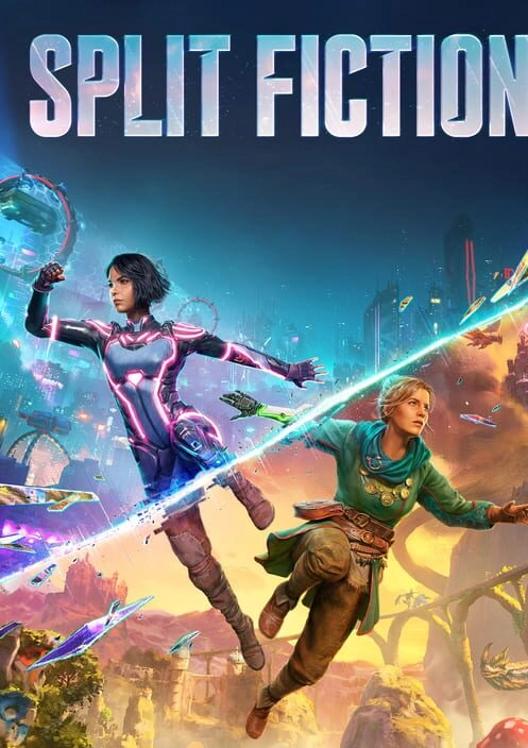
Split Fiction is Hazelight doing the thing that made It Takes Two work, again, with even more genre-hopping confidence. I went in wondering if the studio could repeat the trick. It mostly does. Every chapter drops you and your partner into a different world, motorbikes weaving through a cyberpunk chase one minute, a physics puzzle in a fantasy dungeon the next, and the controls reset just enough each time that muscle memory never takes over. It runs local split-screen or online with the same Friend's Pass model as its predecessor, so trying it with someone costs one copy, not two. Where it lands behind It Takes Two for me is replay value. Once you've seen the trick behind each chapter, there's not much pulling you back through twice.
- Released
- 20252025
- Genre
- PlatformerPlatformer
- Platforms
- PC, PS5, Switch 2, Series X|SPC, PlayStation 5, Nintendo Switch 2, Xbox Series X/S
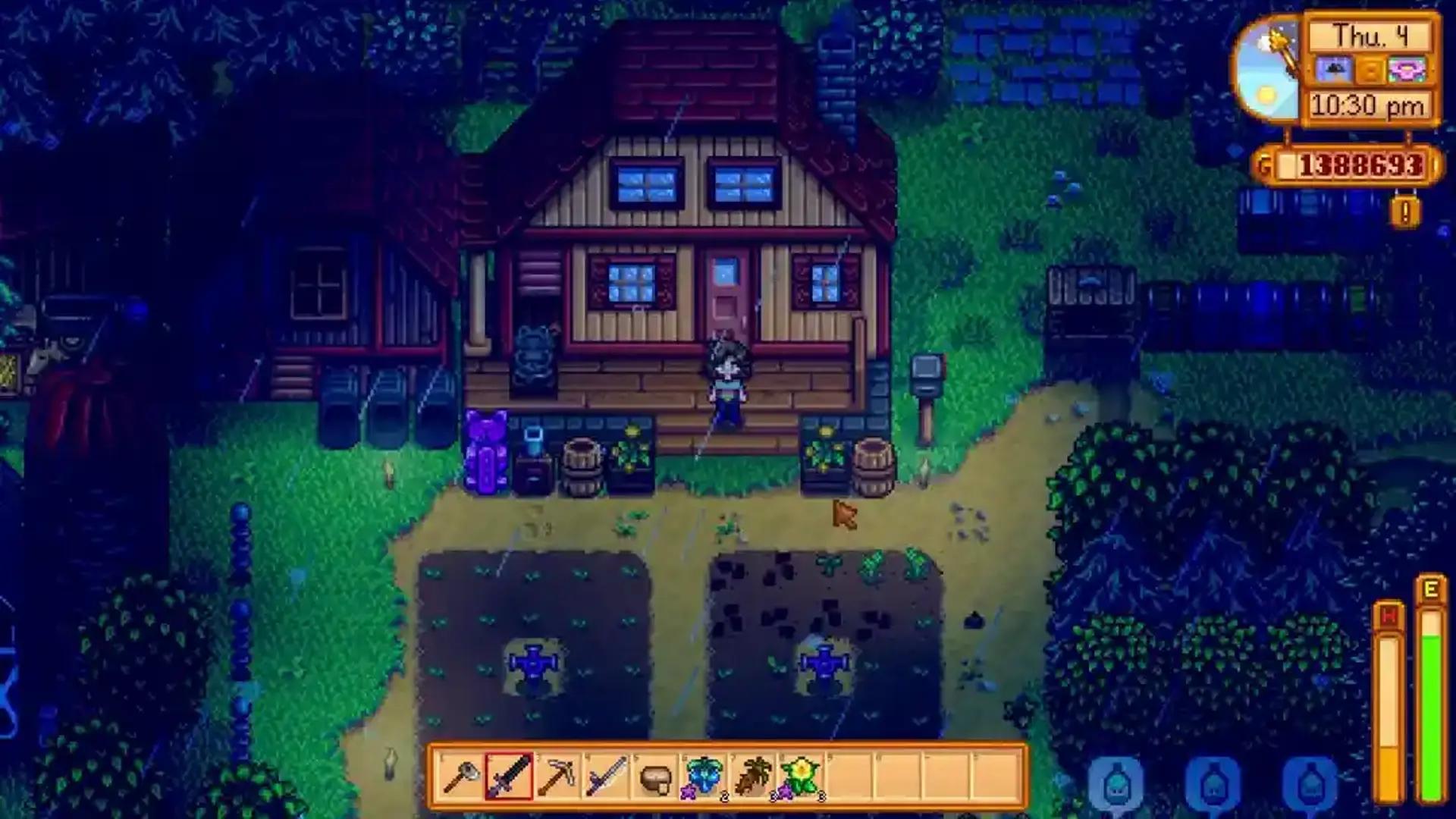
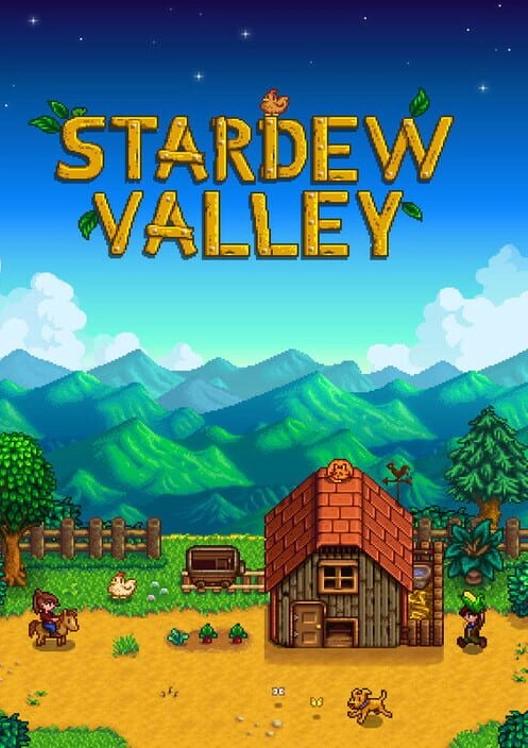
Stardew Valley is one of the few cozy games that held me past the first hour, and that's a low bar most cozy games don't clear for me. Co-op adds a real wrinkle: you and a partner split the farm work, and dividing the day between mining, fishing, and crop management turns a chore list into a small shared economy. It runs local or online for up to four, though local needs a splitscreen setup most groups skip. Nothing here demands fast reflexes, so it's an easy recommendation for a partner who doesn't normally play games. The limitation is pace, though. If your group wants adrenaline, look elsewhere. This is a slow Tuesday evening, not a hyped-up weekend.
- Released
- 20162016
- Genre
- RPGRPG
- Platforms
- Android, iOS, Linux, macOS, PC, PS4, Switch, Switch 2, Xbox OneAndroid, iOS, Linux, macOS, PC, PlayStation 4, Nintendo Switch, Nintendo Switch 2, Xbox One
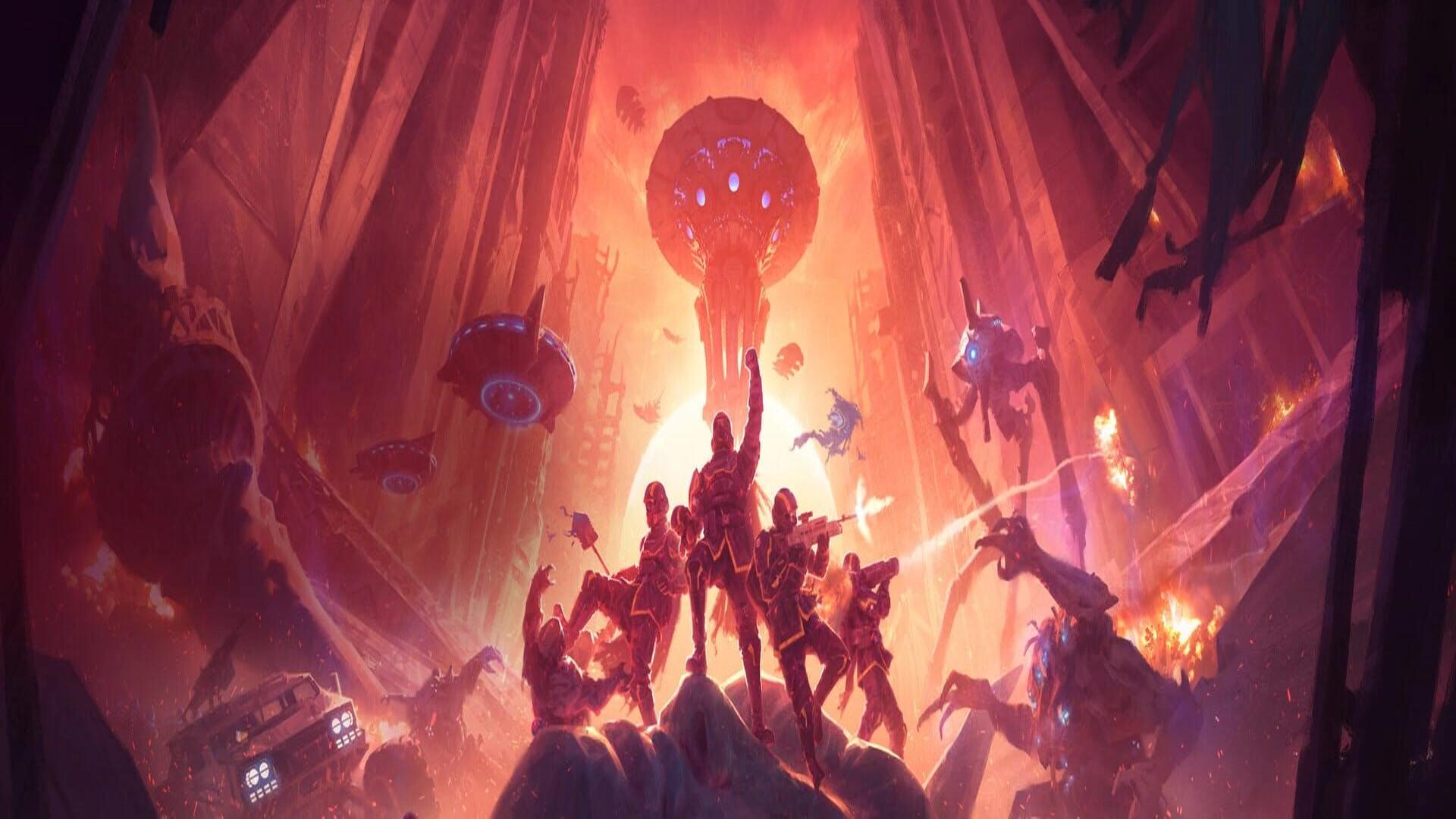
Helldivers 2 is the game my group actually plays every week, headsets on. It's earned that spot honestly. The friendly fire is real: someone calls in an airstrike a beat too early and wipes half the squad, and somehow that's funnier than it is frustrating once you've been on the receiving end a few times. Stratagem calls demand real coordination, not four people just shooting in the same direction, which is exactly the kind of teamwork that makes scheduling everyone's evening worth it. The game has had server hiccups, most live-service titles do, but there's no sign of it winding down. If your group already has this on rotation, nothing else on this list needs to bump it.

- Released
- 20242024
- Genre
- ShooterShooter
- Platforms
- PC, PS5, Series X|SPC, PlayStation 5, Xbox Series X/S
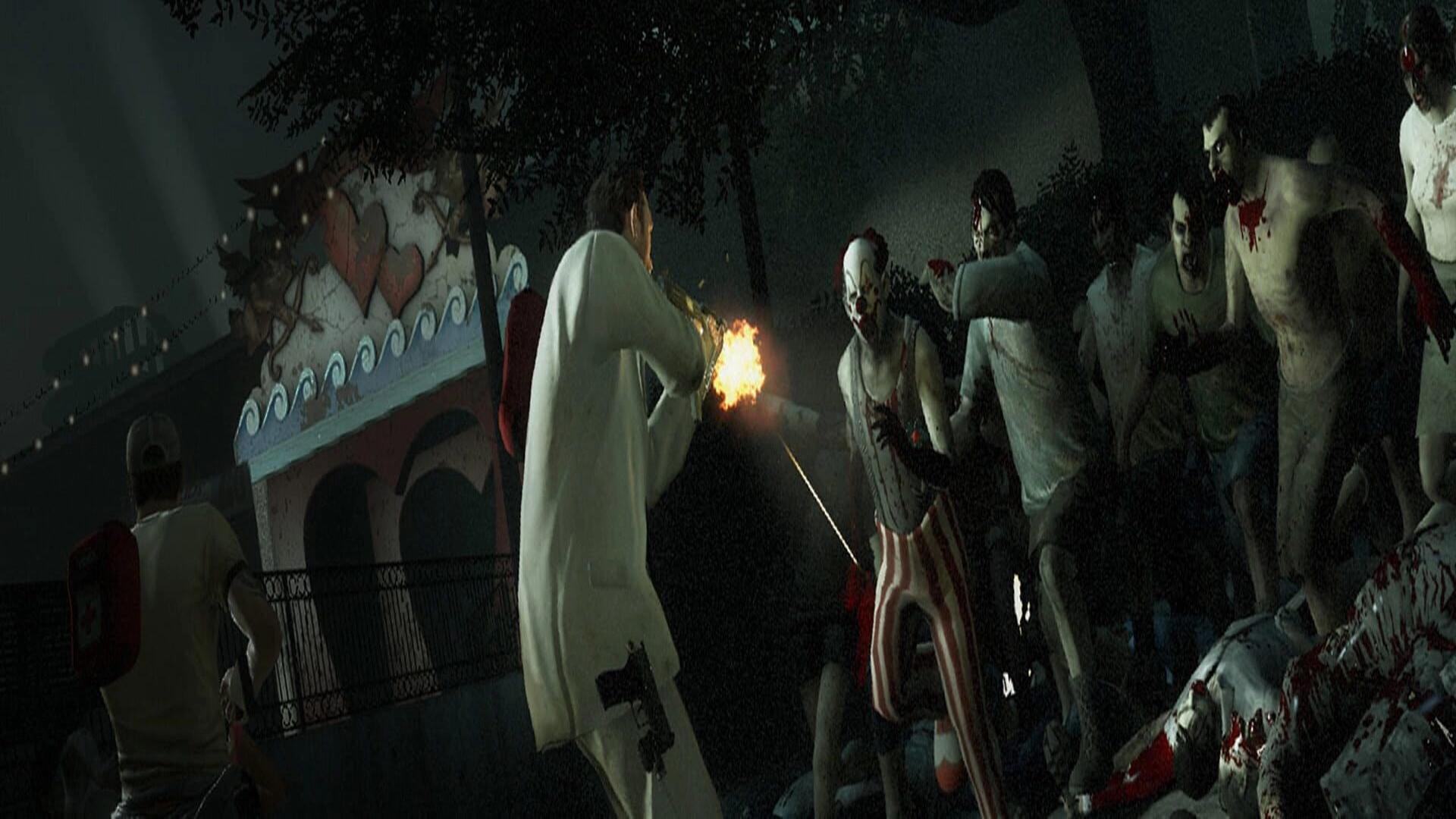
Left 4 Dead 2 has been a LAN party staple for my group for close to fifteen years, and it still runs fine on laptops that have no business running anything else well. That's not nothing. The AI Director changes zombie spawns and item placement every run, so no two campaigns feel scripted the same way twice, which keeps a fifteen-year-old shooter feeling less like a museum piece than most of its imitators. Four players, campaign chapters, point the group at the safe room and go. It has aged in obvious ways: no built-in voice chat worth using, dated character models, so bring your own headsets or sit in the same room. For four-player campaign chaos on a budget laptop, though, nothing here beats the value.
- Released
- 20092009
- Genre
- ShooterShooter
- Platforms
- Linux, macOS, PCLinux, macOS, PC
If Left 4 Dead 2's zombie-survival tension is more your speed than a two-player puzzle box, our full horror co-op guide covers the genre in more depth, from ghost-hunting to full survival campaigns. Check out our Best Co-Op Horror Games guide.
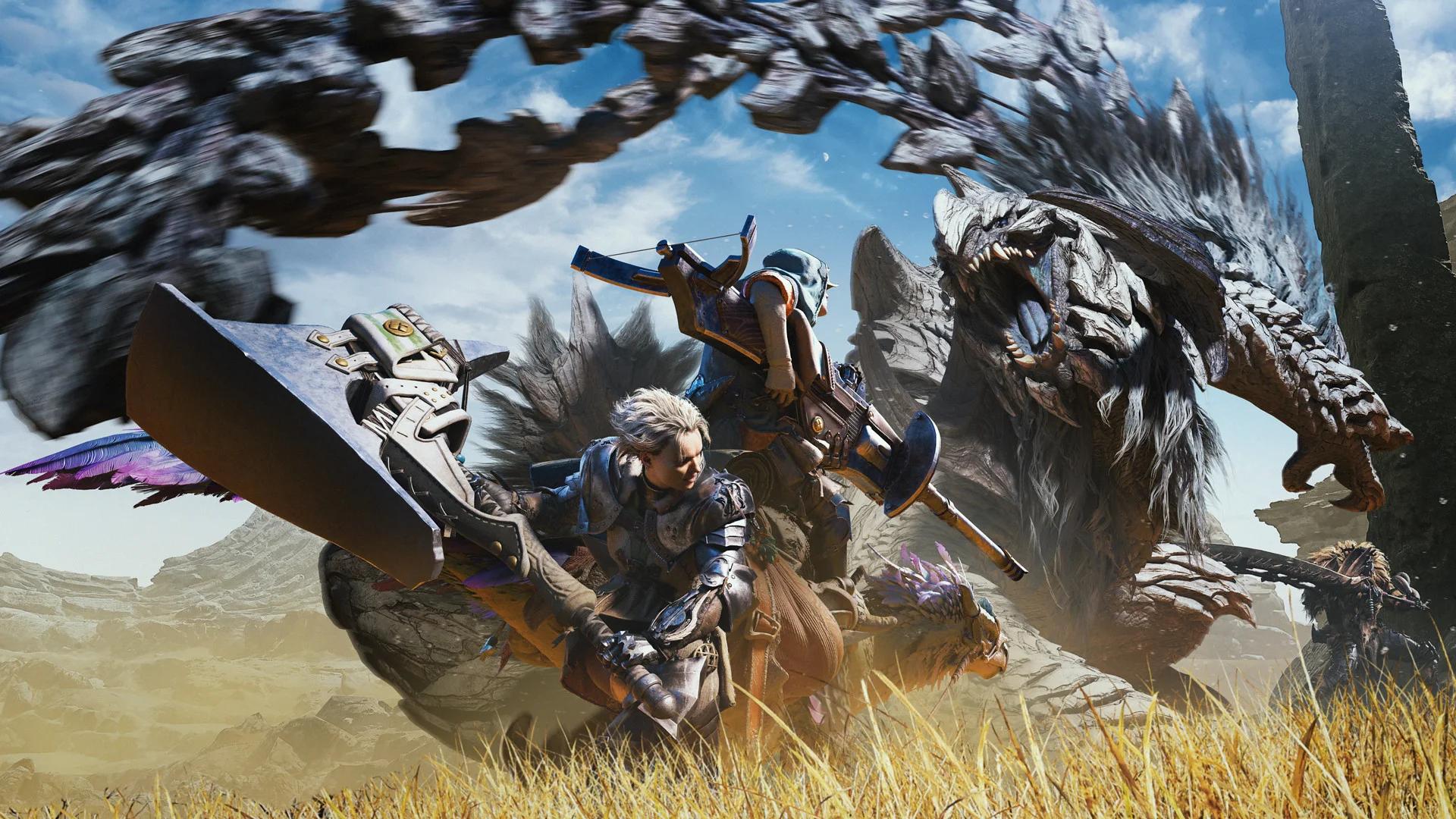
Monster Hunter Wilds asks for more patience than most games on this list. That's an observation, not a knock. Once a four-person squad has actually learned a monster's tells, coordinated hunts turn into something close to a dance: someone traps it, someone breaks a part, someone's mount pulls aggro at exactly the right second. Getting there takes real hours. Gear progression rewards long-term groups who keep coming back for the next hunt, but the learning curve up front is steep, and a mixed-skill group, one person at 40 hours, another at zero, will feel that gap fast. It's online only, and matchmaking works fine, but this isn't a pick-up-and-play evening like most of this list. Set aside real time before committing your group to it.

- Released
- 20252025
- Genre
- RPGRPG
- Platforms
- PC, PS5, Switch 2, Series X|SPC, PlayStation 5, Nintendo Switch 2, Xbox Series X/S
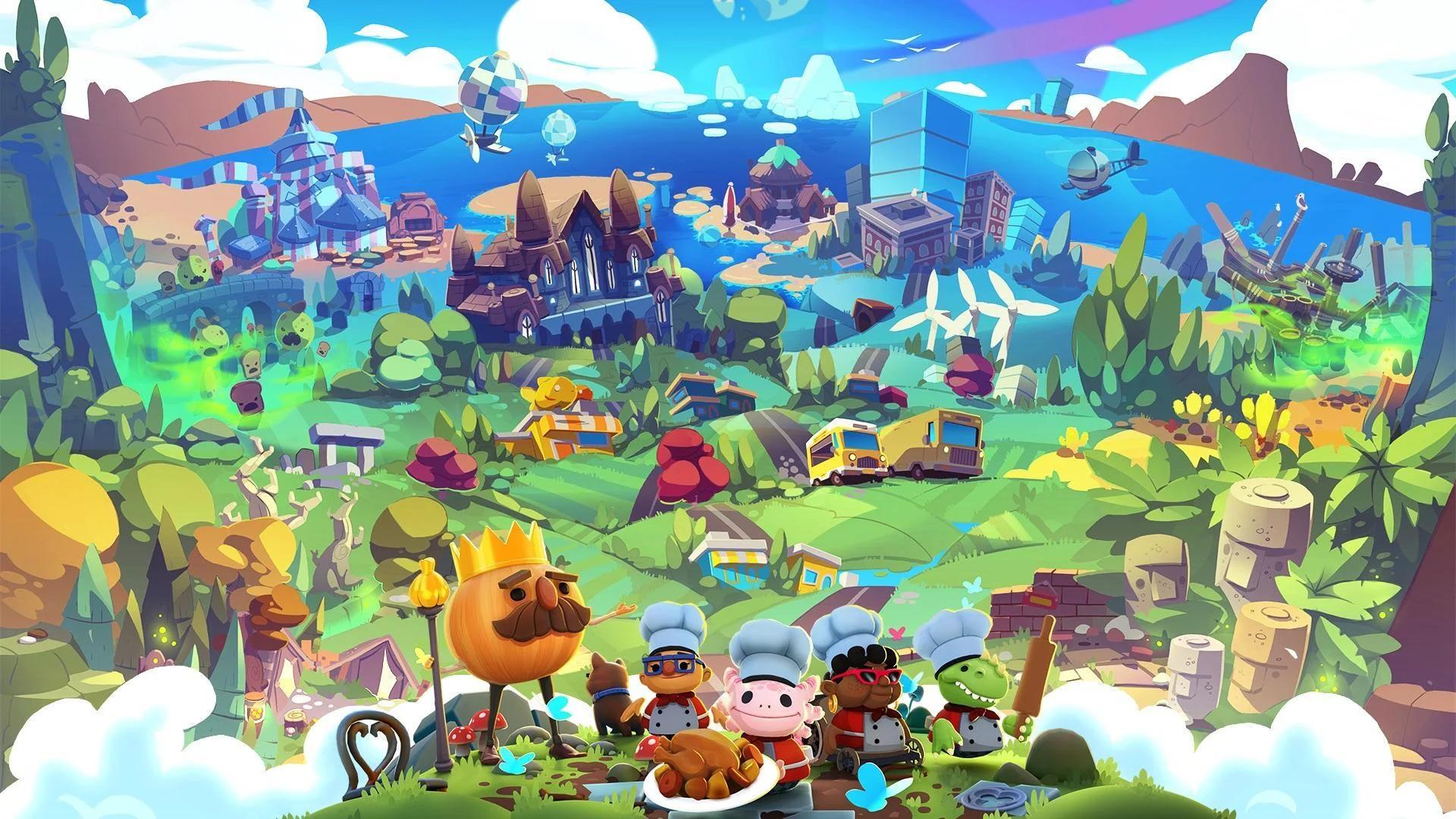
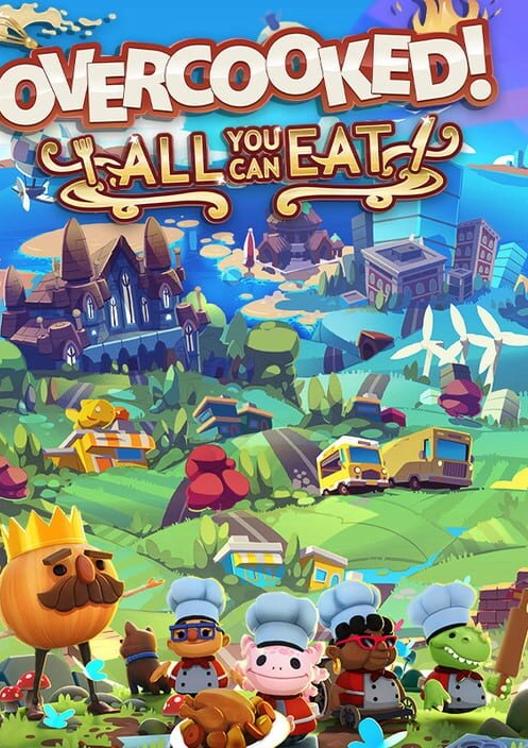
Overcooked is already on my LAN party rotation, and All You Can Eat is the version I'd point anyone toward now, since it bundles both games plus every DLC kitchen into one package. The chaos is the mechanic: someone's chopping onions, someone's sprinting plates across a moving platform, someone's yelling that the soup is about to boil over, and none of it works unless everyone's actually talking. Sessions run five to ten minutes each, perfect for slotting between longer LAN games. It supports up to four, locally or online, and takes about thirty seconds to explain to a new player. It wears thin after an hour straight. In short doses between other games, it's one of the funniest things on this list.
- Released
- 20202020
- Genre
- SimulationSimulation
- Platforms
- PC, PS4, PS5, Switch, Xbox One, Series X|SPC, PlayStation 4, PlayStation 5, Nintendo Switch, Xbox One, Xbox Series X/S
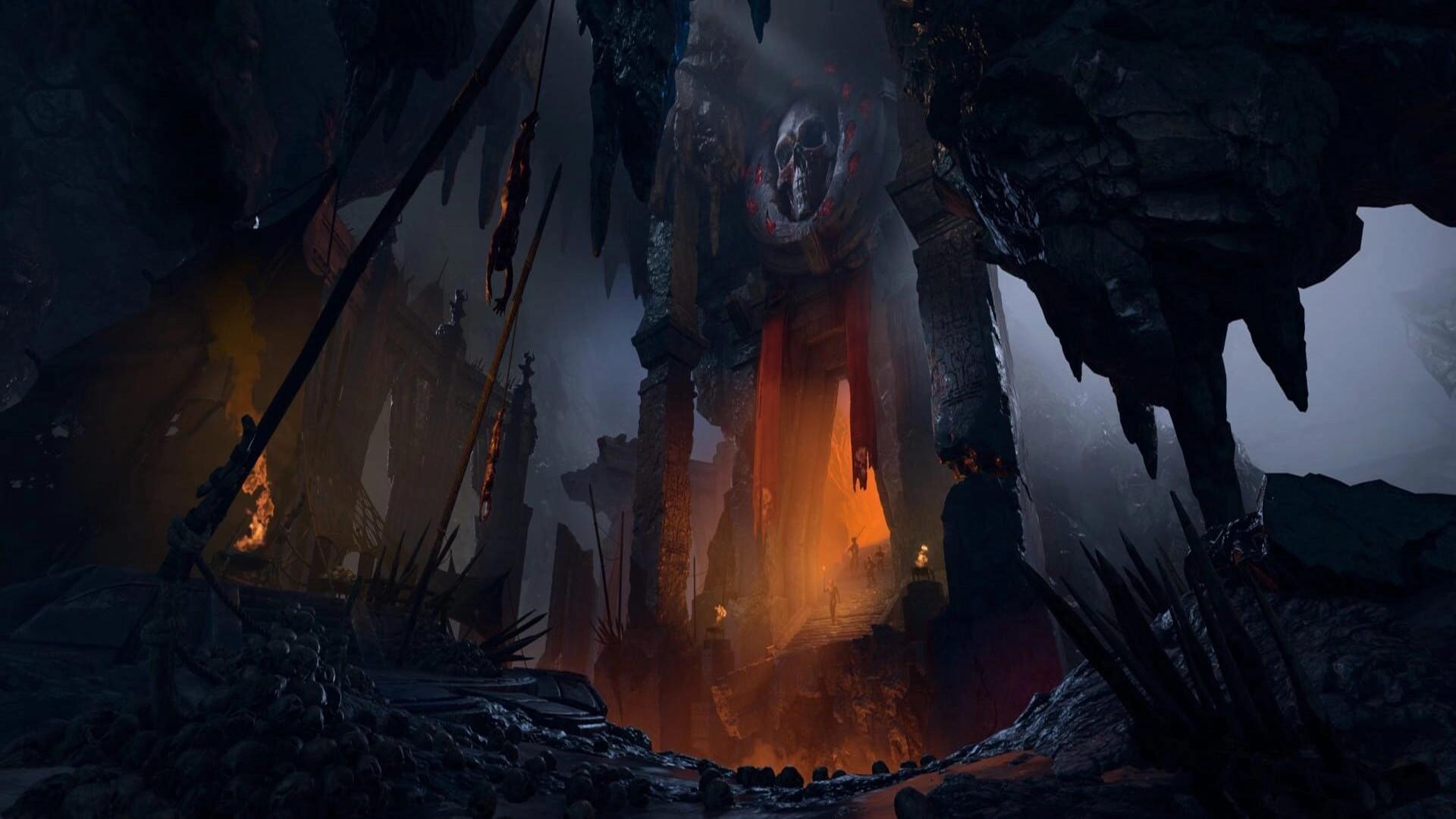
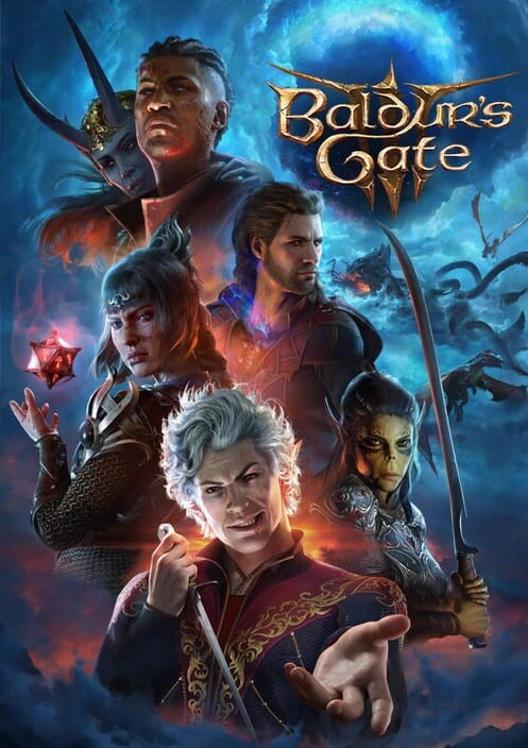
Baldur's Gate 3 is exactly the kind of hundred-hour commitment I usually question before starting, the same instinct that got Diablo IV shelved on my end. This one earns the time. Party co-op means your choices and your partner's choices can genuinely contradict each other mid-conversation, which turns a great RPG into something you're still arguing about days later. It supports up to four online or two in local split-screen, and builds are deep enough that four players end up with four completely different parties. Where it costs points against the top of this list is onboarding. This isn't a game to hand someone who's never touched a d20, and the density of systems up front will lose a casual partner fast. Committed groups get one of the best co-op RPGs ever made.
- Released
- 20232023
- Genre
- RPGRPG
- Platforms
- Linux, macOS, PC, PS5, Series X|SLinux, macOS, PC, PlayStation 5, Xbox Series X/S
Honorable Mentions
These five didn't crack the top 10, mostly on onboarding friction or narrower appeal, but each one is a genuine co-op standout in its own lane.
11. Portal 2
87%Portal 2's co-op campaign is a separate story from the single-player game, built entirely around two players who have to think out loud to solve anything. I still remember spending ten minutes arguing with a friend about which portal went where, only to realize we'd both been right and just weren't listening to each other. That's basically the whole appeal: it's a communication test disguised as a puzzle game. It's aged well because the puzzle logic hasn't dated at all, even if the visuals have. The real limitation is length. A committed pair can finish the co-op campaign in six or seven hours, and there's little reason to run it twice once you know the solutions.
12. Valheim
87%Valheim is the survival game my group actually stuck with, and that says something, because most crafting survival games lose us within a weekend. Building a base on the coast, sailing out to the Black Forest, dying repeatedly to a boss nobody researched beforehand: that loop held for months longer than expected. It supports up to ten online, though three or four is the sweet spot before performance starts to complain. Onboarding is rougher than Minecraft's, since nothing here holds your hand through crafting, and a new player dropped in cold will spend hours confused. Worth it, though. If your group wants survival with real stakes instead of a creative sandbox, this is where you go.
Sea of Thieves is the closest thing here to real role-play without anyone calling it that. Someone reads the map, someone mans the helm, someone's below deck bailing water after a cannonball opens a hole in the hull. None of it is scripted. It happens because the ship genuinely needs four sets of hands, which is what makes it distinctive rather than another shared-world sandbox. The catch: it's a shared world, not a private one by default, so rival crews can and will show up and ruin your afternoon. Onboarding is slower than most of this list, since the game explains almost nothing up front. Worth it for a group that wants a real crew fantasy and can handle chaos from strangers.
Elden Ring Nightreign takes Soulslike combat and turns it into a three-player run structure, and the difficulty here isn't the kind I chase much these days. That's a personal bias, not a knock. Runs are built for repeat attempts, so wiping to a boss with your squad isn't the end of a session, it's the setup for the next try with better gear. If your group already loves Souls combat, this scratches an itch nothing else on this list touches. It's online only, and matchmaking with strangers is rougher than the queue times for other missions here. For groups who want difficulty as the whole point, it earns its spot. Gentler entries sit above it for everyone else.
Phasmophobia is the one game here where the actual gear matters. Voice comms aren't optional, they're the entire point, since half the fun is someone screaming through a headset that the ghost is right behind them while everyone else insists it's just the temperature gauge glitching. I've run this with a proper headset on, and the panic translates fine, which isn't true of every online co-op game. Investigation runs last fifteen to twenty minutes, short enough to slot into a LAN night between longer games. Onboarding is rougher than the atmosphere suggests, since the ghost-hunting tools take a session or two to click. It won't move you like a real horror campaign. It's a jump-scare machine built for groups, and a genuinely funny one.
Co-Op Games by Platform or Type
In this article I gave you the best co-op games, covering all platforms and genres. If you are looking for anything more specific, I also wrote articles on the best co-op games for specific platforms or genres. You can find them all below.


Frequently Asked Questions
A few questions that come up whenever someone asks me what to play with a partner or a group.
What actually makes a game a good co-op pick, rather than just having multiplayer?
The mechanics need to depend on the other player, not just tolerate them. If you could finish the objective solo without noticing your partner was there, it's multiplayer with company, not real co-op.
Do I need a headset for these games?
For the online-only picks like Helldivers 2, Deep Rock Galactic, and Phasmophobia, yes, voice chat changes the experience completely. For local games like It Takes Two or Overcooked, you're usually shouting across the same couch anyway.
Can I play these with a partner who doesn't normally game?
It Takes Two and Stardew Valley are the two most forgiving entries on this list for that exact situation. Clear controls, low failure stakes, and a story or rhythm that carries a newer player along.
Are these games cross-platform?
Several are. Minecraft and Deep Rock Galactic both support full cross-play across PS5, Xbox, Switch, and PC. Others, like Split Fiction and It Takes Two, support cross-play too through their Friend's Pass systems.
What's the best pick for a group with very different skill levels?
Overcooked! All You Can Eat and Stardew Valley scale down the stakes enough that a mismatched group won't feel it. Deep Rock Galactic and Monster Hunter Wilds are rougher fits until everyone's put in a few hours.
Conclusion
Ten games, six different flavors of teamwork, and not one of them asks you to compete against the person next to you. Whichever one you pick, the through-line is the same: co-op design that rewards actually talking to your partner instead of just occupying the same screen.
If you're building around a specific console, check our guides to the best Xbox co-op games, best PS5 co-op games, or best Switch co-op games for platform-specific picks.